Travel in Thailand and you’ll end up in a temple or two. Thais take temples and Buddha images very seriously, and some things we might think harmless are rude in Thai eyes. Below are the main things to watch at Thai temples, from what to wear and how to pay respect to how to behave with monks. It’s worth reading before you go to Thailand to take an amulet or visit a monk, too.
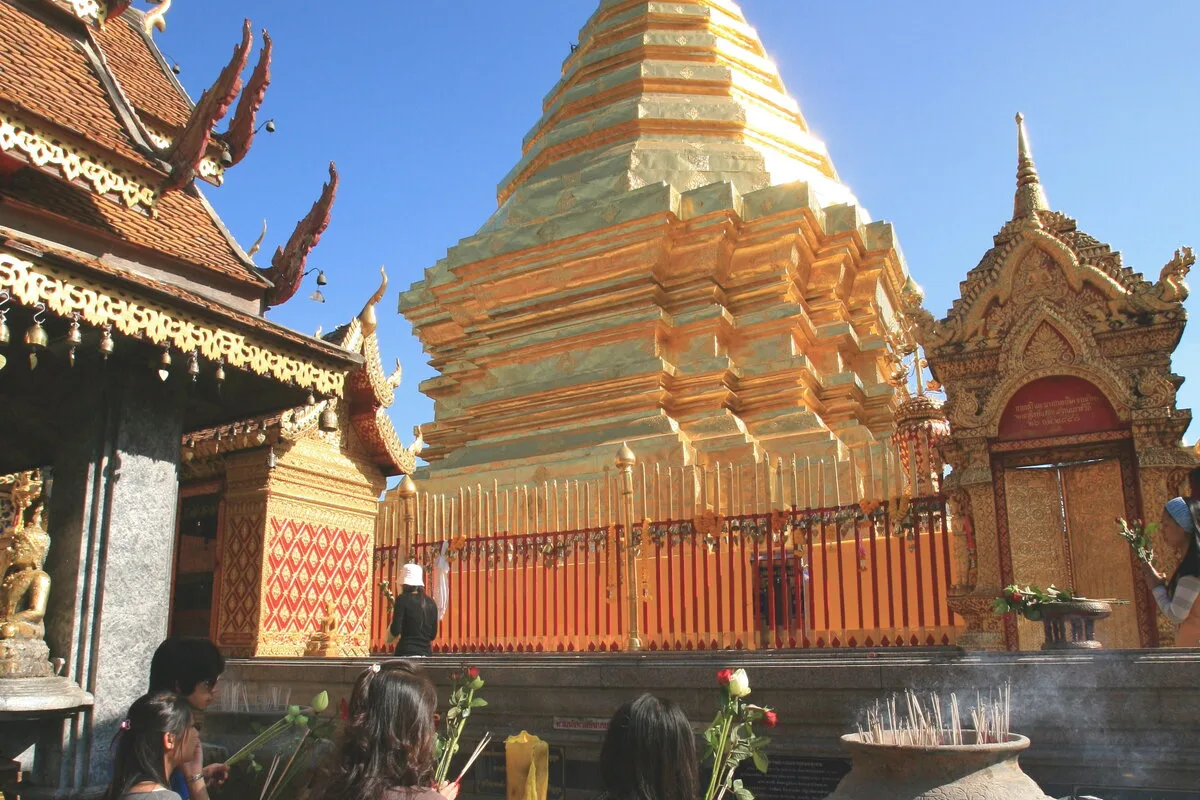
Dress: cover shoulders and knees
The basic rule is a top that covers your shoulders and trousers or a skirt below the knee. Vests, shorts, short skirts and see-through clothes aren’t suitable. The Grand Palace and the Temple of the Emerald Buddha in Bangkok are strictest: if your clothes don’t meet the rules you’ll be stopped at the gate, and there’s a place at the entrance to borrow cover-ups. Ordinary temples may not check, but Thais themselves always dress neatly for the temple.
Latest arrivals in our shop
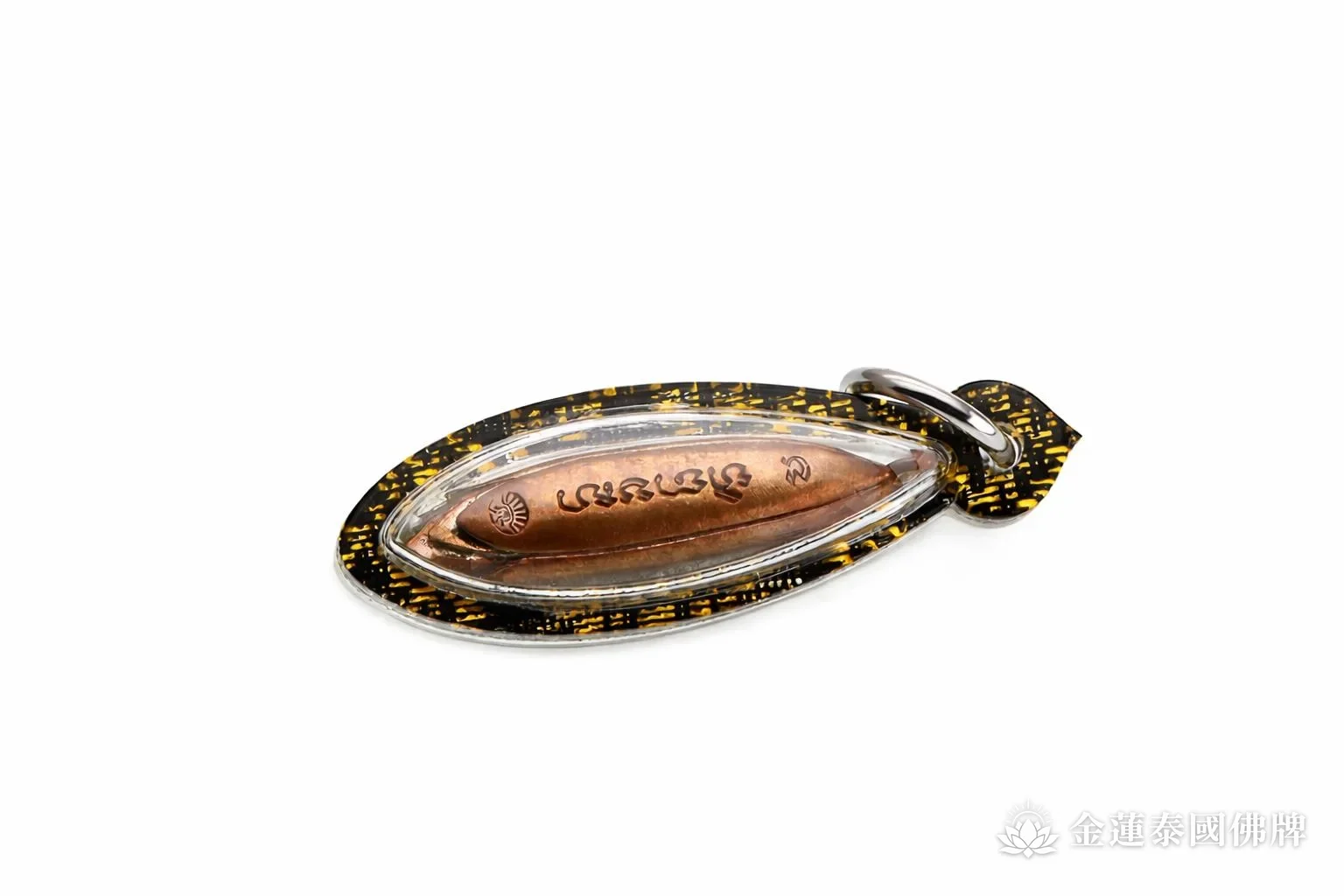 Phra Maha Surasak of Wat Pradu BE 2564 "Millionaire" Champak Blossom Dok Jumpee (Red Copper / Nine-metal Bronze, Waterproof Case)US$23
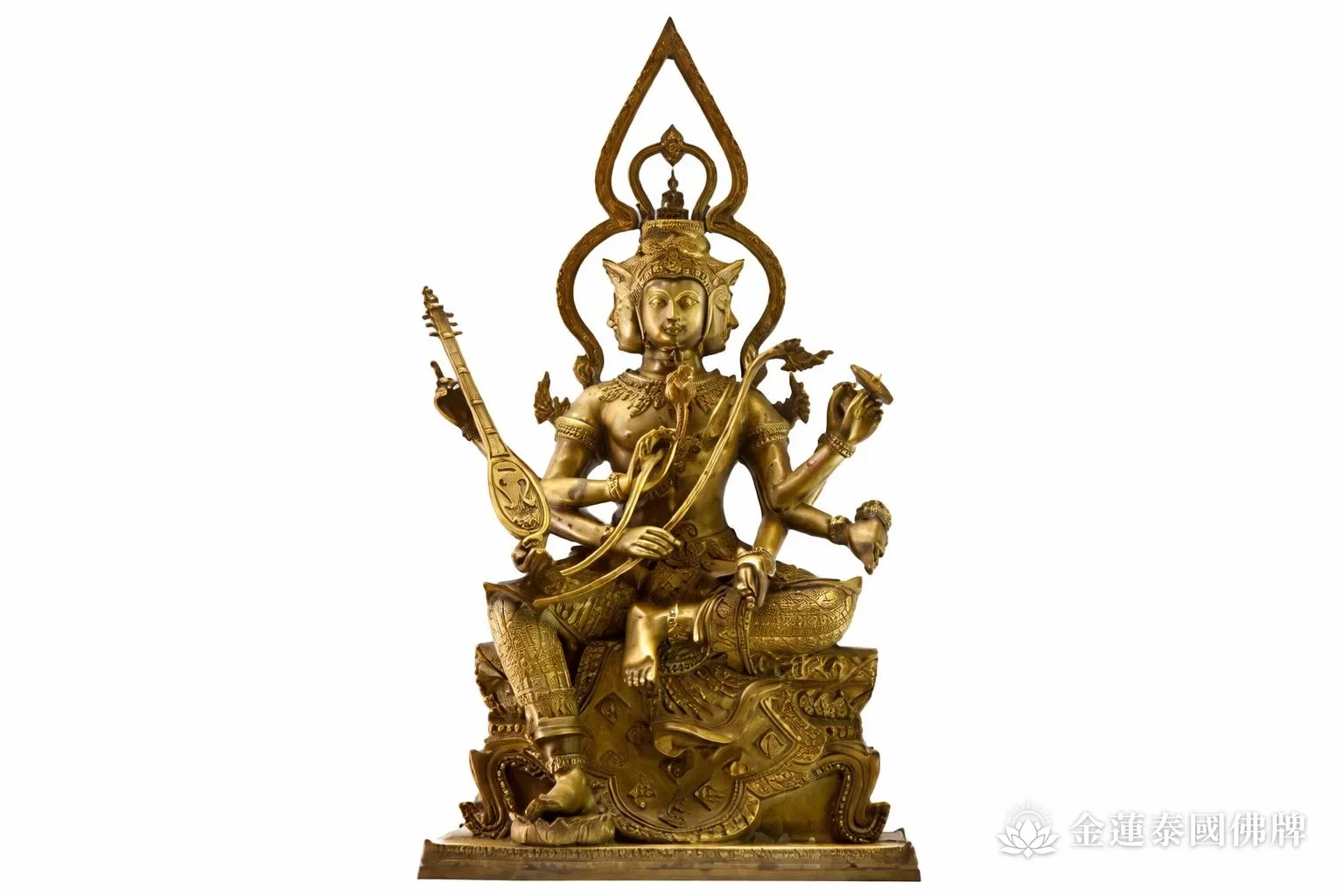 Luang Phor Jon of Wat Bunyarit BE 2554 Four-Faced Brahma Bucha Statue (Bronze, About 43 cm, Limited to 168)US$785
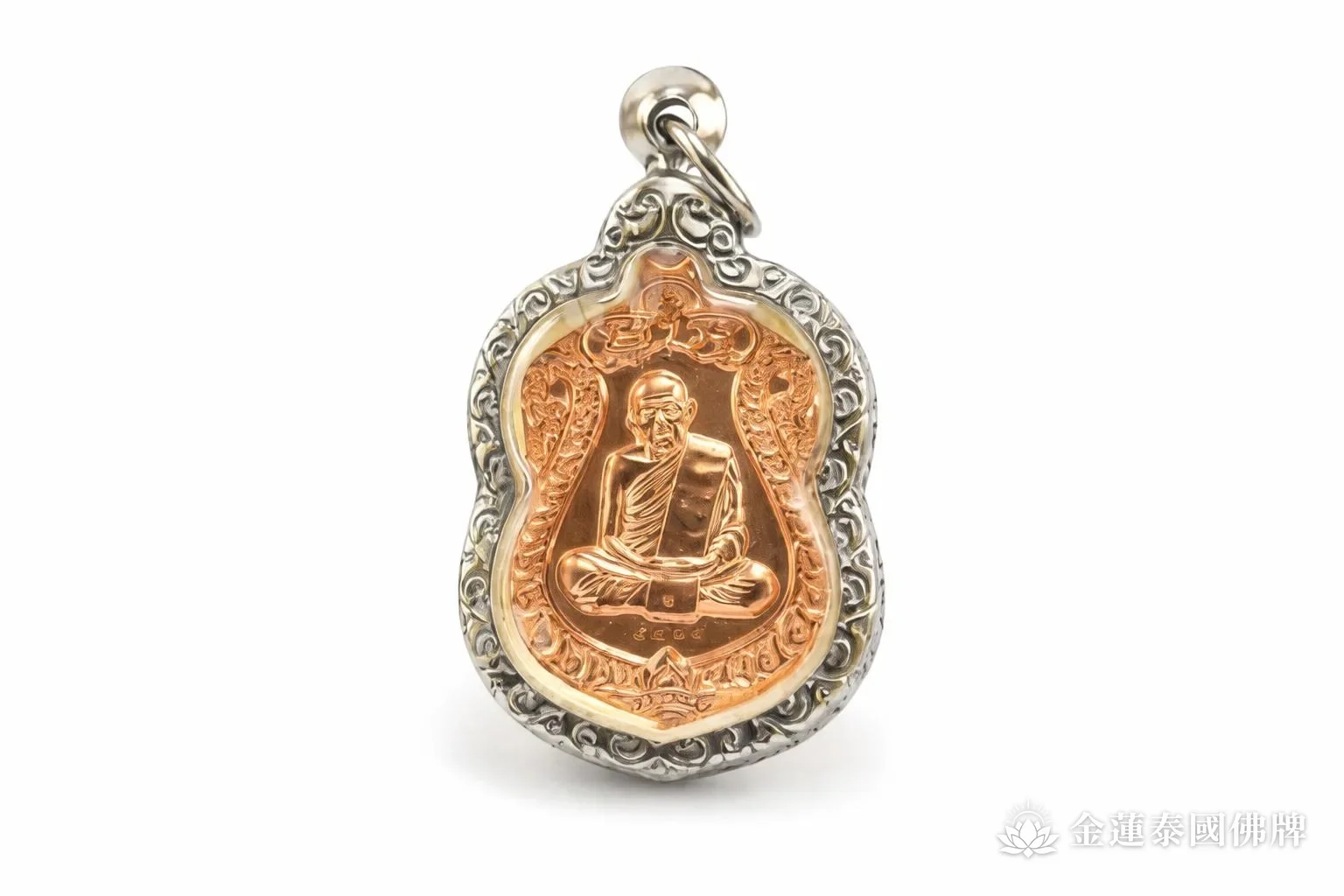 Wat Lahan Rai BE 2557 LP Tim Monk Image, Committee Version (Copper, Sema Shape, Steel Case)US$49
Entering a hall: shoes off first
Take off your shoes before entering a Buddha hall (called ubosot or wihan in Thailand); there’s usually a shoe rack by the door. Take off hats and sunglasses too. Speak quietly inside, and put your phone on silent.
When you sit down, don’t point your feet at Buddha images or monks. Thais in a hall usually sit to one side with their legs folded back, soles facing behind them. In Thailand the feet are seen as the lowest part of the body, and pointing them at a person or a Buddha image is very rude.
Paying respect: three five-point prostrations
The standard Thai way to pay respect before a Buddha image is called kraap benjangkapradit (กราบเบญจางคประดิษฐ์), meaning five points of the body touching the ground: kneel, place your palms flat on the floor, then bow until your forehead touches the ground; knees, hands and forehead are the five points. Do it three times, for the Buddha, the Dhamma and the Sangha. If you’re not used to it, kneeling with palms together and bowing your head three times is fine too.
Offerings are usually flowers, incense and candles, sold at temple gates. Some Buddha images can have gold leaf applied; Thais press thin gold leaf onto the image for blessings. Where to apply it, and whether you can, depends on the temple’s instructions.
With monks
Women should not touch monks, not even the edge of their robes; take particular care in crowds. This is the monks’ rule of discipline, not aimed at anyone. When a woman wants to hand something to a monk, the usual way is to place it on a cloth the monk spreads out, or ask a man present to pass it. When sitting with monks, don’t sit higher than them, and ask before taking photos.
Buddha images are sacred
Don’t climb or lean on Buddha images, and don’t take silly photos with your back to them. Thais revere a Buddha image as the Buddha himself, and amulets are the same: not on the floor, not below the waist; these points are gathered in Amulet taboos and FAQ. Why Thais “rent for worship” rather than “buy” an amulet comes from the same attitude; see this article.
Circling on Buddhist holy days
On the evenings of Buddhist holy days such as Makha Bucha, Visakha Bucha and Asalha Bucha, Thai temples hold “wian thian” (เวียนเทียน): worshippers carry flowers, incense and candles and walk three times clockwise around the hall or chedi. Thai newspapers explain that circling to the right (thaksinawat in Thai) three times shows the highest respect for the Buddha, the Dhamma and the Sangha. People usually bring a pair of flowers, three incense sticks and one candle, and these can be bought at the temple.
To get to know the Buddha you’ll pay respect to before you go, see Thai birthday Buddhas and find the image for the day you were born; chants often recited when paying respect are in the chants and mantras section.
Frequently asked questions
What if I’ve gone to a temple in shorts?
Big temples mostly have sarongs or long trousers to borrow or rent at the gate; if an ordinary temple doesn’t, a large scarf tied around your waist will do.
Can I take photos inside a Buddha hall?
At most temples, yes, but some halls forbid photography, with a notice at the door. Keep quiet when taking photos, and don’t use flash on people who are praying.
Can non-Buddhists pay respect to the Buddha?
Yes. Thai temples welcome anyone to pay respect, as long as you dress properly and behave respectfully.