
An amulet authentication card is called Bat Rap Rong Phra Thae (บัตรรับรองพระแท้) in Thai, and in the Thai amulet world colloquially “ใบเซอร์” (cert). It’s a card issued by an authentication body, printed with a photo of the amulet and a number, showing that they’ve examined the amulet and judged it genuine. In recent years people taking old amulets care more and more about this card, and several old pieces in our shop come with one. This article covers where authentication cards come from, what’s on them, how to check them yourself, and what they can’t do.
There used to be no authentication cards
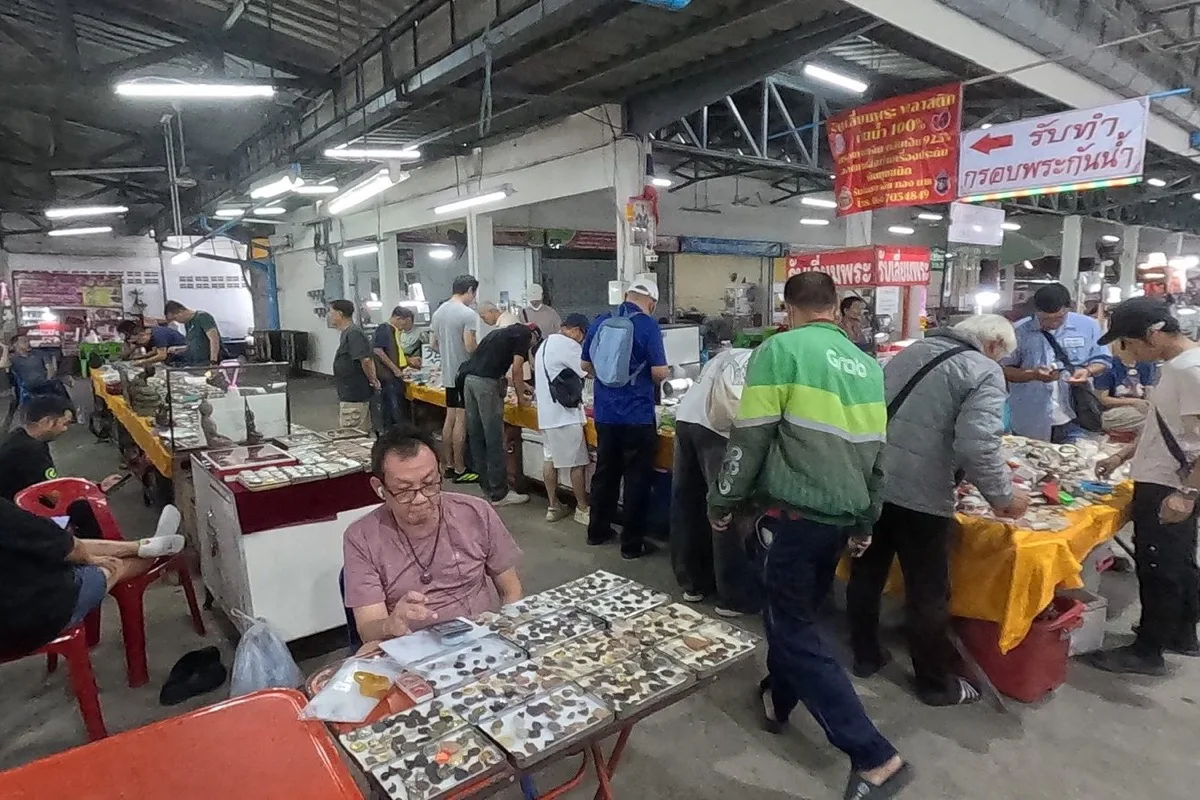
The Thai amulet world used to have no such thing at all. Taen Tha Phra Chan, an amulet columnist for Thai outlet Khaosod, has written that in the past authenticity rested on people: if the recognised elders of the field said a piece was genuine, everyone believed it, and the famous old amulets still have no cards today, yet remain the standard everyone learns authenticity from.
Later, more and more people took up amulets, many of them out of faith, without the expertise to judge. Having paid, they wanted something as a guarantee; customers asked, so sellers got cards, and all kinds of associations, clubs and groups began issuing them. The columnist’s view: on the whole it’s a good thing, giving people without the expertise more confidence, but there are too many issuers and the standards vary.
Latest arrivals in our shop
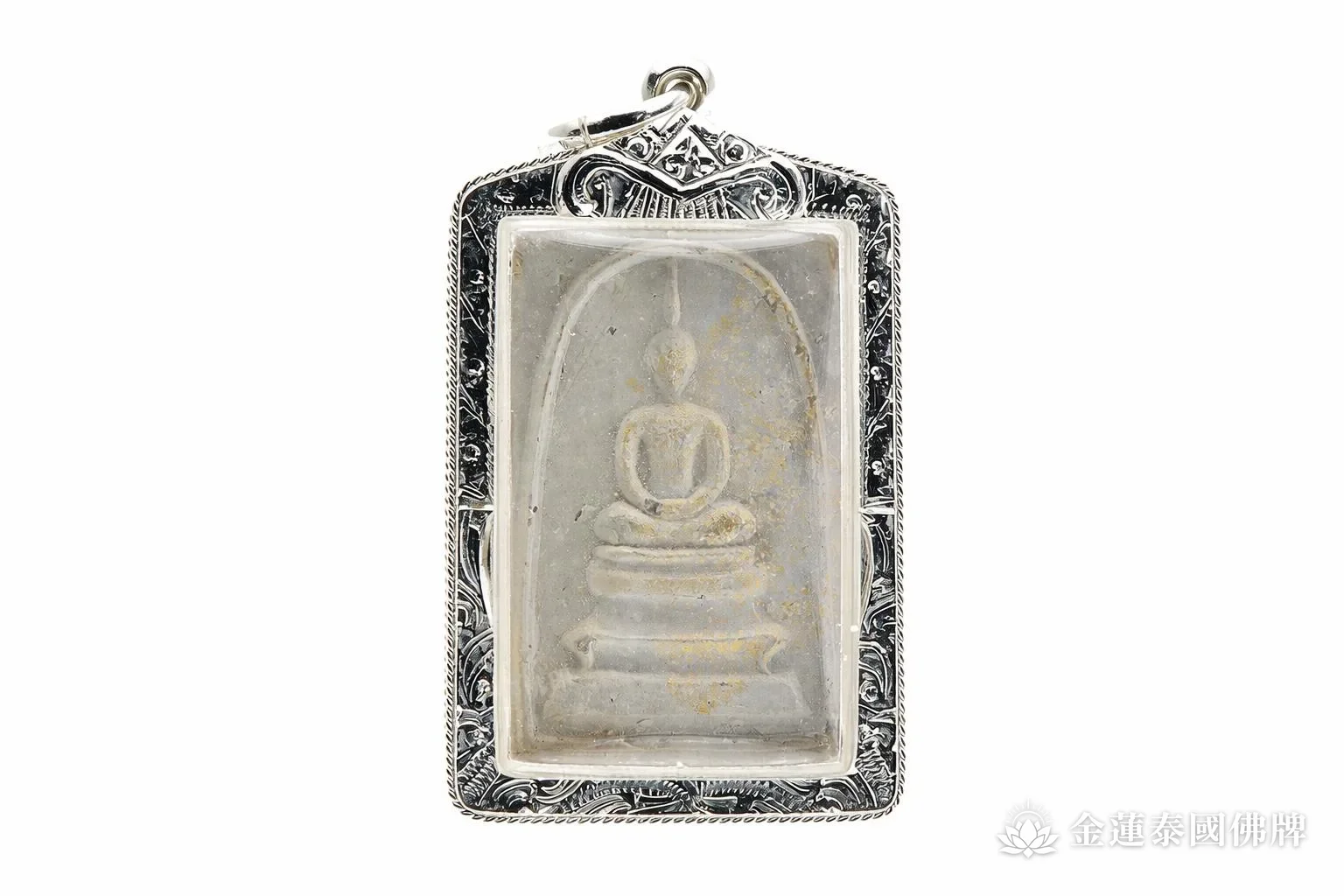 LP Phae BE 2509 "Buddhist Lent" Somdej Roon Traimas, Small Chedi Mould (108 Flower Powders, Gilded in the Mould, Sterling Silver Case, With Authentication Card)US$191
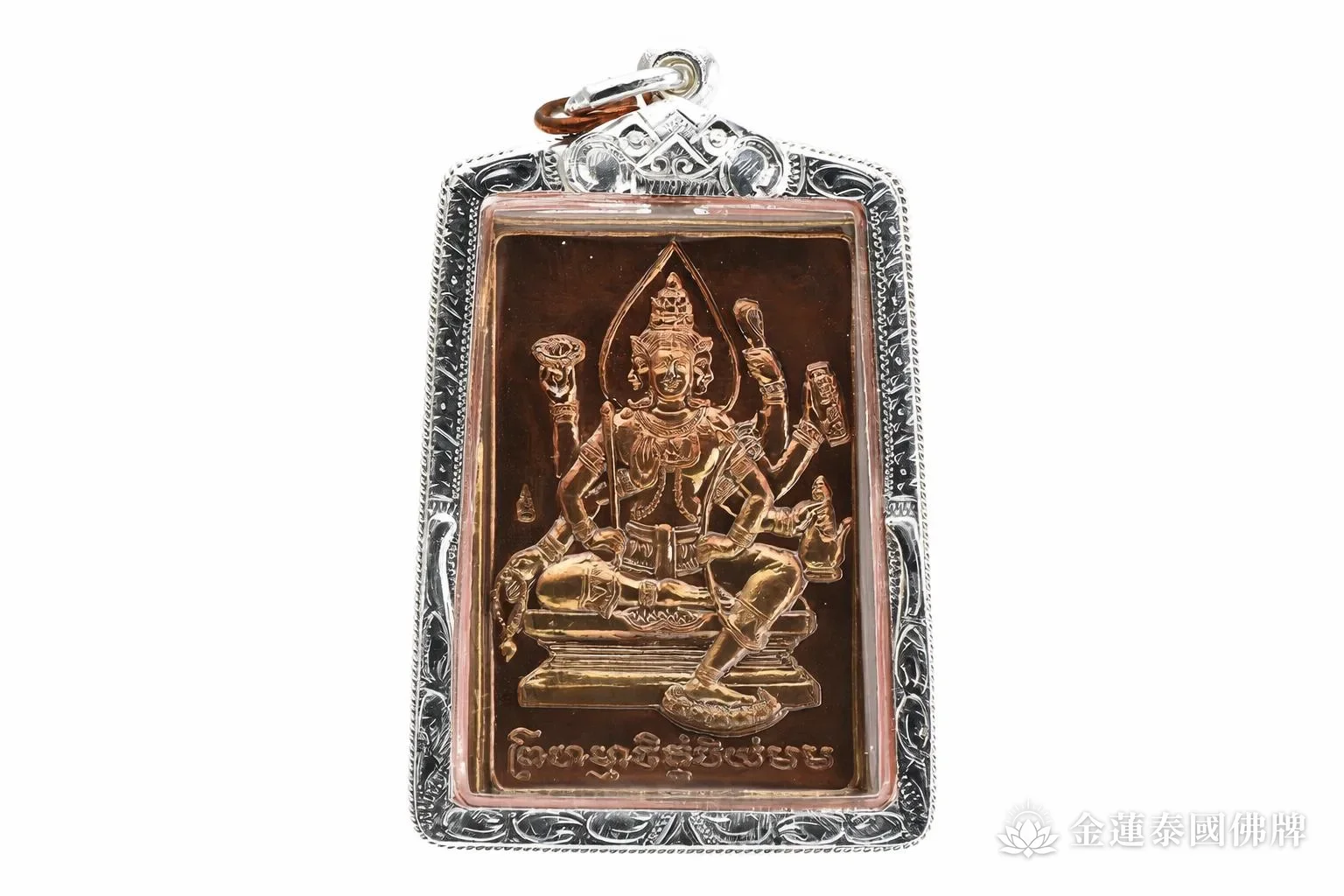 LP Perm BE 2544 First-batch Four-Faced Brahma, Phra Phrom Roon Raek (Nine-metal Bronze / Red Copper / Powder with Silver Face / Plain Powder, Five Versions, With Card or Competition Certificate)US$217
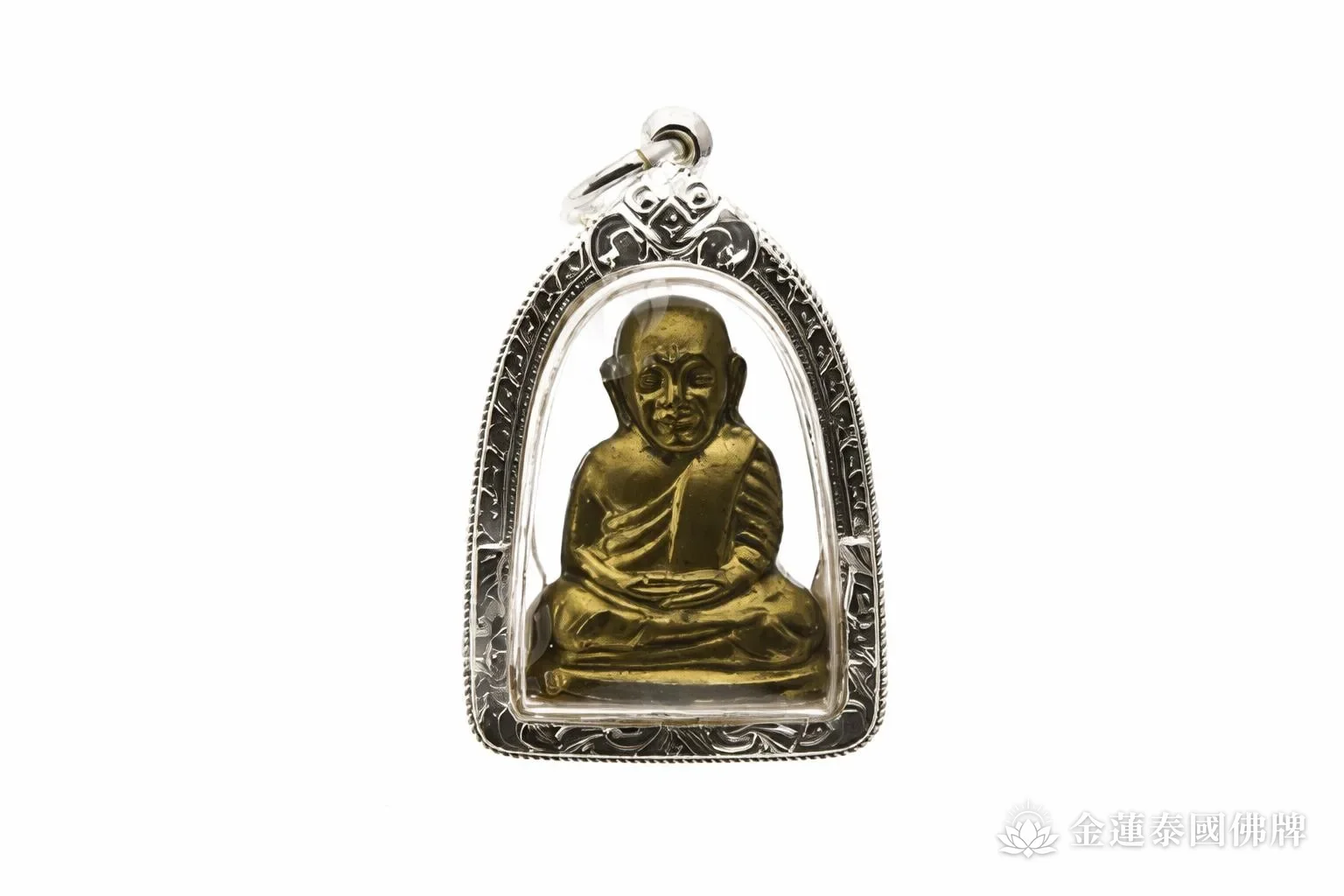 Wat Bueng Na Rang BE 2515 LP Ngern Small Standing Wealth Figure (Brass, Bell Metal, Sterling Silver Case, With Authentication Card)US$230
What’s usually on a card
Different bodies design their cards differently, but most include:
- a photo of the amulet, some front only, some front and back;
- a card number, usually printed below the photo;
- the result of the appraisal, such as which monk, which temple and which batch;
- the name of the issuing body.
When you receive the amulet, check the photo first: is the one on the card the same piece as the one in your hand? The mould impression, chips and the texture of the clay should all match. If it’s a monk portrait amulet, you can also check the lettering on the back; how to read it is in How to read a monk portrait amulet.
The most common issuer
In Thailand, the best known is the Thai Buddha Image Admiration Association (สมาคมผู้นิยมพระเครื่องพระบูชาไทย). According to the columnist above, this association’s cards are widely trusted within Thailand and among buyers in Malaysia, Singapore, Hong Kong and China. The association also holds regular amulet competitions; a prize-winning amulet gets a separate award certificate, which is a competition certificate, not the same thing as an authentication card.
Besides this association, many other bodies and groups in Thailand issue cards too. As for which ones can be trusted, the columnist’s test is simple: a proper body provides a way for you to look up the cards it has issued yourself.
How to check a card yourself
Taking the Thai Buddha Image Admiration Association as an example, every card’s details are stored in the association’s database. Its website’s home page has a “Check certificate” (ค้นหาใบเซอร์รับรองพระ) entry where you enter the number on the card. A genuine card brings up that card’s image and details; if nothing comes up, or the amulet photo and details shown differ from the card in your hand, there’s a problem with that card. If you’re unsure, you can also take the card to the association and ask staff to check it.
For other bodies’ cards, it depends whether the body offers a similar way to check. A card whose source can’t be traced at all is worth much less as a reference.
Authentication cards can be fake too
Where cards are popular, fakes follow. The Khaosod columnist mentioned in 2019 that people often brought him association cards to look at, only for the amulet in the card’s photo to be fake, and a database check showed the card itself was fake too. Forged competition certificates appeared even earlier, and are increasingly common. So “has a card” doesn’t mean “genuine”; it only counts once checked.
Different bodies, possibly different results
Another common situation: the same amulet is judged genuine by one body and not by another. The columnist’s advice is that if you’re unsure, get a second appraisal; if two bodies agree, it’s much more credible. He also mentions the most practical test: famous old amulets always have eager buyers, so if dealers at an amulet market show no interest and won’t even make an offer, be careful.
An authentication card is a reference, not everything
An authentication card adds confidence, but it’s only one body’s opinion; in the end what counts is whether the seller stands behind the piece. Every sacred item we sell carries a permanent authenticity guarantee; items with an authentication card say “With authentication card” clearly on the product page, and the price already includes it. When you receive it, we suggest keeping the card separately from the amulet, away from sun and damp. How to case an amulet and which case to choose are covered in How to choose an amulet case.
Items currently in our shop that come with an authentication card:
- LP Tim BE 2517 Phrai Kuman Khun Paen, large mould, both versions with cards, in 90% gold cases;
- LP Kasem “14 Tula” commemorative portrait coin;
- Wat Laem Phraya BE 2500 ceremony Phra Chai, in a 70% gold waterproof case;
- LP Phool BE 2543 second batch Hanuman bell figure, nawaloha, in a sterling silver waterproof case;
- LP Phae BE 2534 Somdej “แพ ๕ พัน”, all four versions with cards;
- BE 2550 Jatukam “Aphipanya Maha Setthi” large sterling silver piece, with sterling silver case and original box;
- LP Si BE 2517 Phra Pidta “นะมิ”, with a choice of S-Amulet or Thai Amulet Association card;
- LP Unn BE 2550 sugar-cake Buddha “Ngop Nam Oi”, Thai Amulet Association card;
- LP Khun BE 2517 portrait commemorative coin, all four versions with cards, the nawaloha one also with a competition certificate;
- LP Ophasi BE 2498 Garuda holding a Sema coin, in a 70% gold waterproof case;
- LP Sakorn BE 2530 “ศิษย์สร้างบูชา” LP Tim image powder amulet, in an 80% gold waterproof case;
- LP Ruay BE 2541 Somdej with coin back, in a waterproof case;
- LP Waen BE 2526 blessing Phra Kring “Prathan Phon”, nawaloha, in a sterling silver waterproof case;
- LP Thong BE 2539 first batch Pidta “Rub Sap”, old bell metal, in a waterproof case;
- LP Kuay BE 2515 Phra Sangkajai, temple soil and sacred powder, in a sterling silver waterproof case;
- LP Chamnan BE 2537 first batch portrait coin with Hanuman back, red copper, in an 80% gold waterproof case;
- LP Tim (Wat Phra Khao) BE 2549 “Thawi Lap” square portrait coin, red copper, in a sterling silver waterproof case;
- Wat Paknam BE 2518 4th batch Phra Khong Khwan, extra-large “treasure mould”, in an 80% gold waterproof case;
- LP Kalong BE 2549 first batch four-armed Hanuman, nawaloha large mould, sterling silver or waterproof case;
- Pu Mor Nak BE 2545 golden-face Phachada, popularity powder amulet, in a waterproof case;
- LP Thongdum BE 2537 60th birthday profile portrait coin, red copper, in an 80% gold case;
- LP Thap BE 2500–2505 popularity balm, as a sterling silver pendant or a box;
- LP Kasem BE 2537 Tibetan-style medicine Buddha, nawaloha, sterling silver case;
- LP Khun BE 2540 flagpole Buddha, nawaloha, in a waterproof case;
- LP Khong BE 2511 Somdej “Khor Ngor”, early powder amulet, in a sterling silver case;
- LP Pern BE 2537 first batch seated-on-tray portrait coin, red copper, in a sterling silver case;
- Luang Pu Boon BE 2460–2470 Phra Pidta, Mekhaphat alloy, 80% gold or sterling silver case;
- Luang Pu Toh BE 2472–2476 Phra Nang Phaya, bulging chest mould, in a sterling silver case.
If it’s your first amulet and you’re still working out how to choose, start with Choosing your first Thai amulet.
Frequently asked questions
Is an amulet without an authentication card fake?
No. Many new temple amulets and items issued directly by temples never get cards, and nor do many valuable old amulets. Having a card or not has no necessary link with authenticity; what matters most is the source and whether the seller is reliable.
Can I get an authentication card for an amulet I own?
Yes. Bodies such as the Thai Buddha Image Admiration Association accept amulets for appraisal, and the association’s website explains the process. Fees and turnaround vary, so ask the body directly.
How does an authentication card differ from a competition certificate?
An authentication card judges authenticity; a competition certificate means the amulet placed in a competition. Prize-winning amulets are usually in good condition, but like authentication cards, certificates are also forged, so they need checking just the same.