
A batch (Thai รุ่น, run) is a set of sacred items made under one commission and from one ceremony; a number is the code unique to each piece; a limited run is how many pieces that batch made in total. All three affect collector value, but have no direct link with how powerful an amulet is.
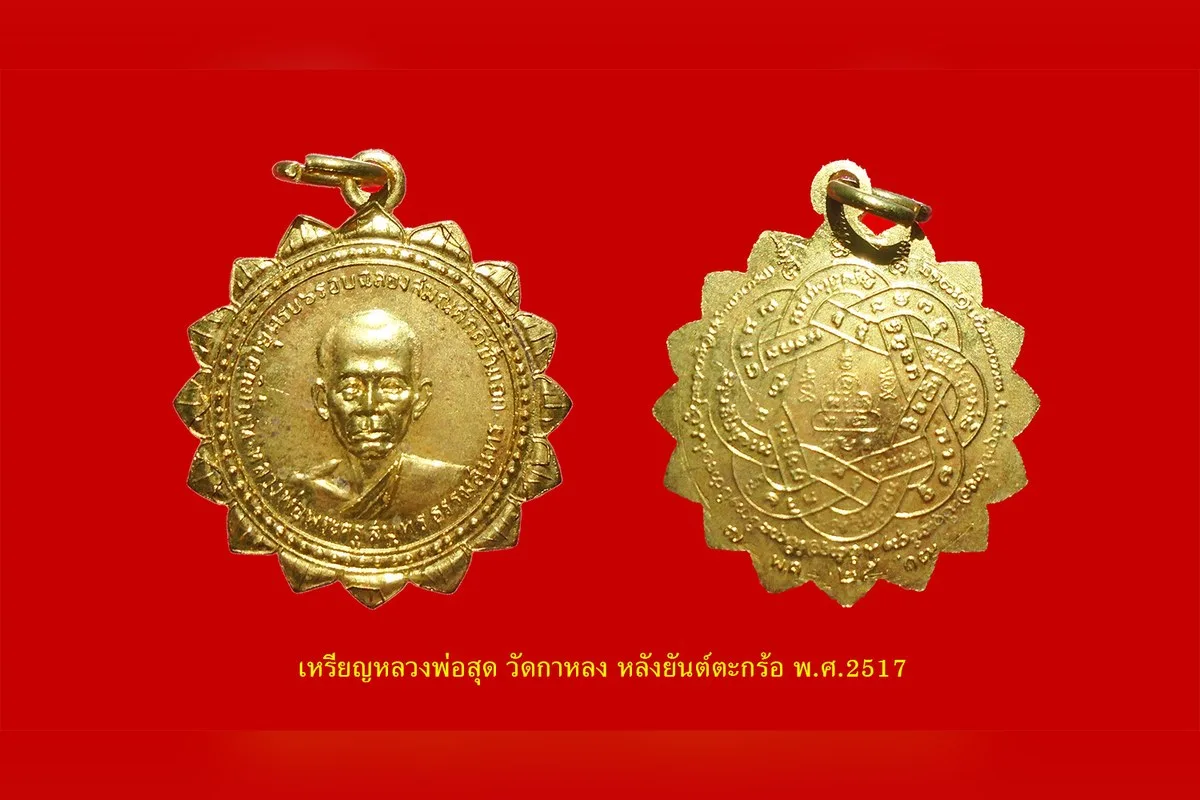
Batches: made together
A monk may issue dozens of batches in his life, each with a different image, material and purpose. Thai collectors value the “first batch” (รุ่นแรก, run raek) most, because it’s the first time the monk issued items in his own name, and the numbers are usually small. LP Phae’s BE 2502 first-batch copper coin, for instance, is described by Thai newspapers as very hard to find today.
Batch names aren’t always numbers, either. Many are named after their purpose or ceremony, for example raising funds to build monks’ quarters or meditation huts, or a consecration during Buddhist Lent. One batch is often split into several materials, each counted separately.
We also have items with their batch stated, such as the LP Sakorn BE 2553 first-batch Phong Prai Kuman Khun Paen and the LP Chu BE 2569 11th-batch owl.
Latest arrivals in our shop
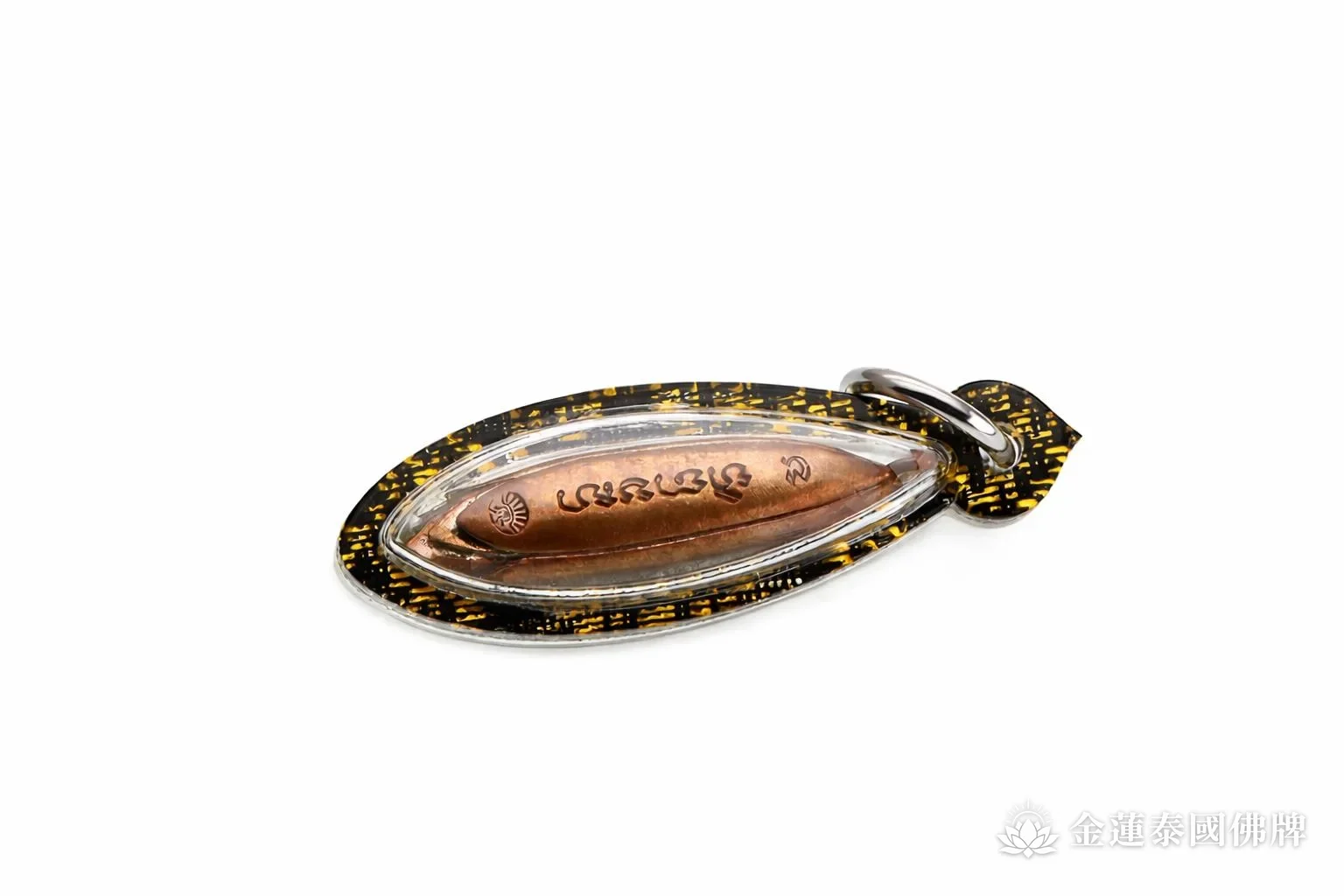 Phra Maha Surasak of Wat Pradu BE 2564 "Millionaire" Champak Blossom Dok Jumpee (Red Copper / Nine-metal Bronze, Waterproof Case)US$23
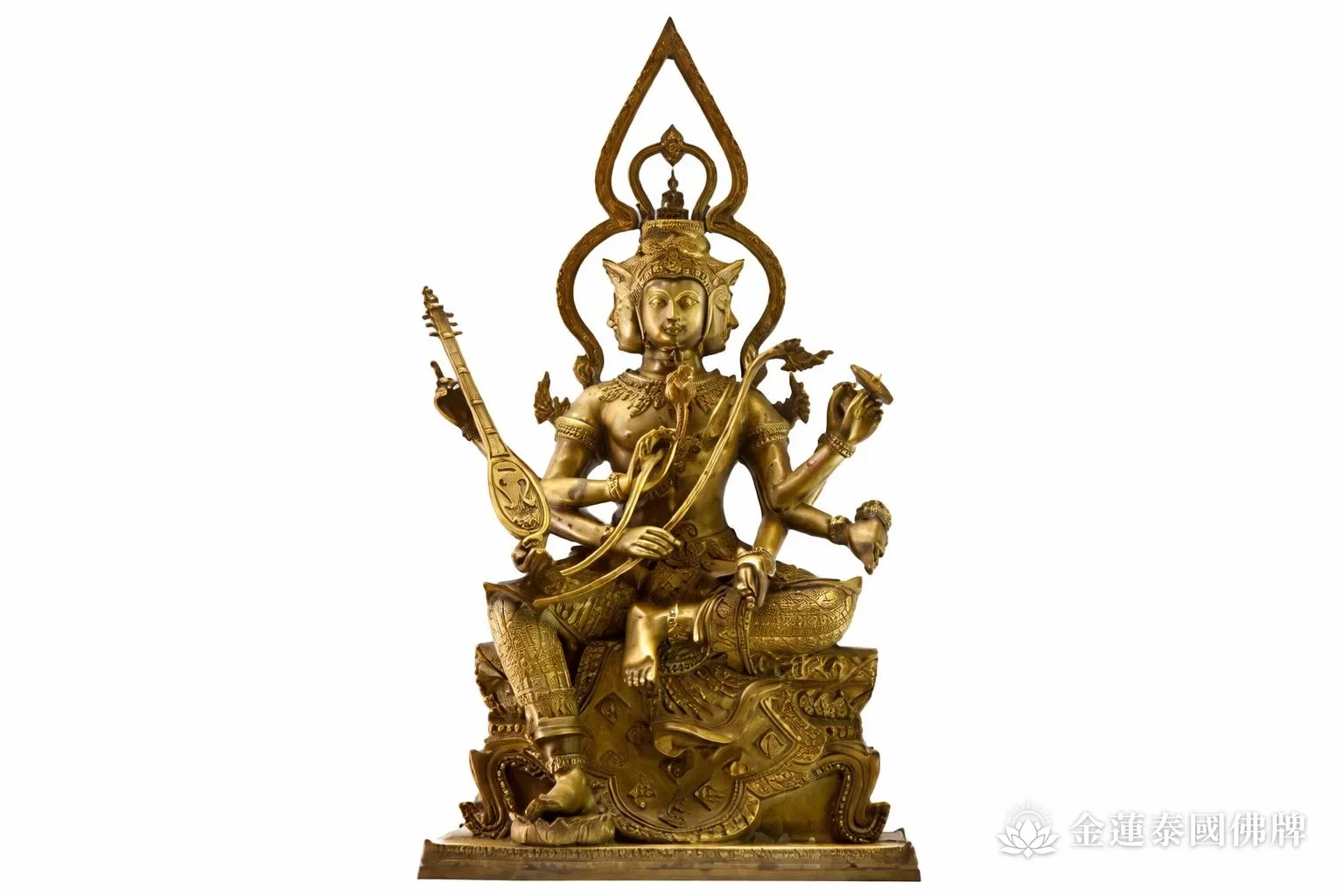 Luang Phor Jon of Wat Bunyarit BE 2554 Four-Faced Brahma Bucha Statue (Bronze, About 43 cm, Limited to 168)US$785
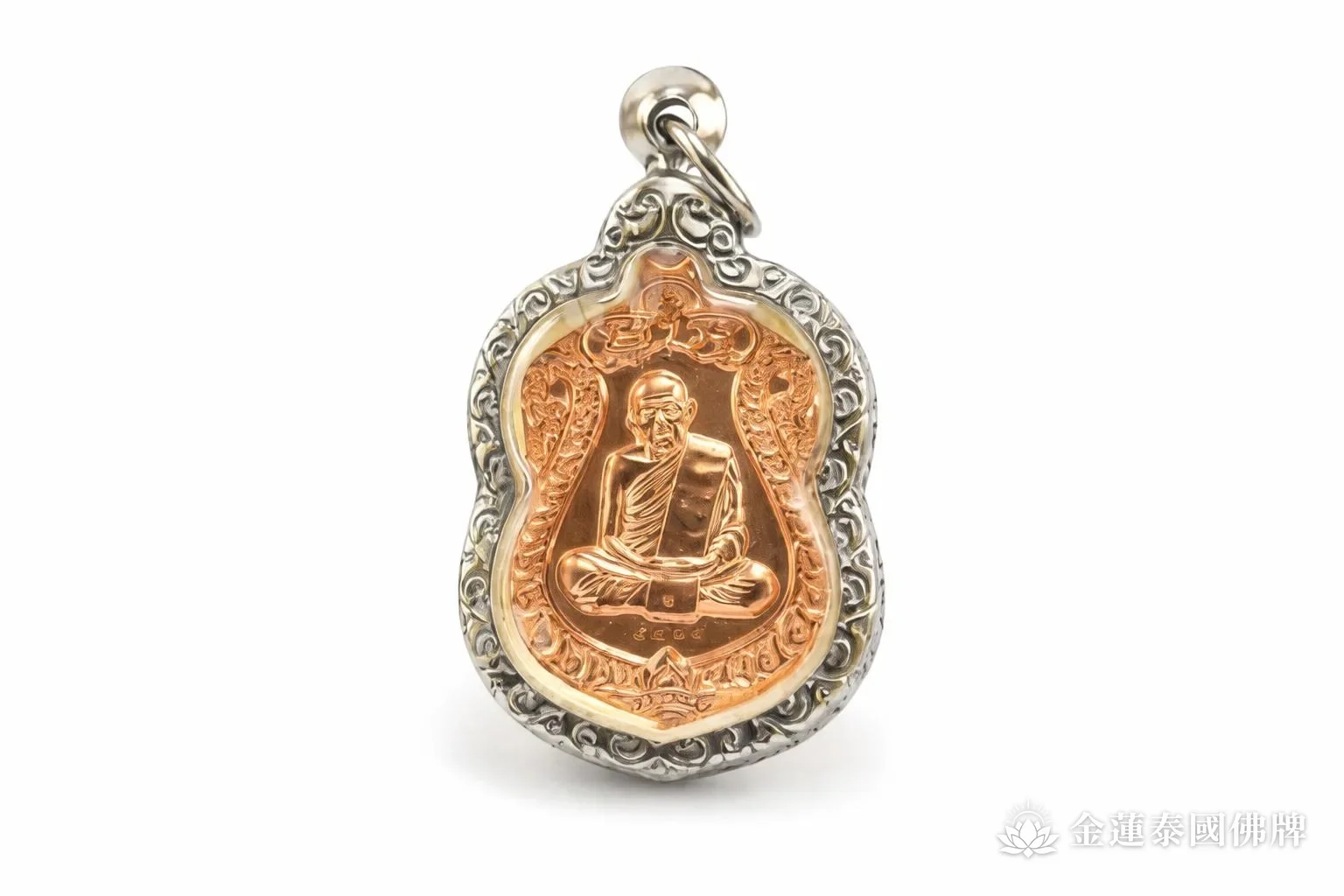 Wat Lahan Rai BE 2557 LP Tim Monk Image, Committee Version (Copper, Sema Shape, Steel Case)US$49
Why old amulets have no exact numbers
Limited runs and numbering only became common fairly recently. For amulets from over a century ago, temples mostly left no figures. A Somdej column in Thailand’s Thairath newspaper has noted that how many standard-mould Somdej Wat Rakang made is still undecided today: early experts estimated only a few hundred to a few thousand, then more kept turning up, and the estimate has had to be revised upwards.
Some figures for old batches have been handed down. Tradition says the Wat Bang Khun Phrom Somdej batch numbered 84,000, matching the 84,000 divisions of the Dhamma. A figure like this is symbolic; how many were actually made, again, nobody can count.
Numbers: a code unique to each piece
Some batches stamp a number on the back or base of each piece. Numbered batches are mostly limited ones, and the temple uses the numbers to record how many were issued. For example, in LP Chu’s owl batch, the seven-metal version with stone eyes was made in only 911 pieces, each numbered; LP Kalong’s BE 2549 Roaring Kotchasi and BE 2550 LP Thuat were each 4,999 numbered pieces across the whole batch.

Limited runs: the numbers often mean something
The figure for a limited run often isn’t chosen at random. LP Thongdum’s Phra Kring was made in BE 2545, and its red copper nine-metal version was limited to 2,545 pieces, matching the year; the five-metal version with silver base from the same batch was only 999. Figures like 4,999 and 999 are very common too: Thais like 9 because it sounds like the word for “progress”.
Temple codes (ตอกโค้ด, tok code)
Besides numbers, temples often stamp a small code mark on an item to show it came from their batch. But both codes and numbers can be copied, so when judging authenticity treat them as only one reference among others; for more, see Amulet authentication basics.
What this means when taking an amulet
If you want to collect, batch, number and quantity all matter a lot, and first batches, early years and small runs cost the most. If you just want to wear one every day, there’s no need to fuss over these: find a monk you trust and an image you like. How to tell which batch an amulet belongs to is covered step by step in How to read a monk portrait amulet.
Frequently asked questions
Are amulets with low numbers better?
Some collectors like low or special numbers, but that’s just a collecting preference; it doesn’t affect the blessing.
Is an amulet without a number not genuine?
No. Many batches were never numbered, and old amulets almost never are; whether there’s a number depends on how the temple did that batch.
Why are there several materials and prices within one batch?
A batch is often split into several materials, each in different numbers. The version with fewer pieces and dearer material naturally costs more.
Is the “first batch” always better than later ones?
Not necessarily. First batches are expensive because they’re few and have commemorative meaning. Later batches are blessed by the monk just the same; choose by the image you like and your budget.