The most common Thai amulet materials fall into five groups: sacred powder, temple clay (sacred soil), metal, Lek Lai and herbs. The material reflects how a batch was made: sacred powder may be the powder rubbed off a monk’s yantra writing, and a metal amulet may have melted down a temple’s old ritual objects, so understanding the material tells you roughly how that batch came to be.
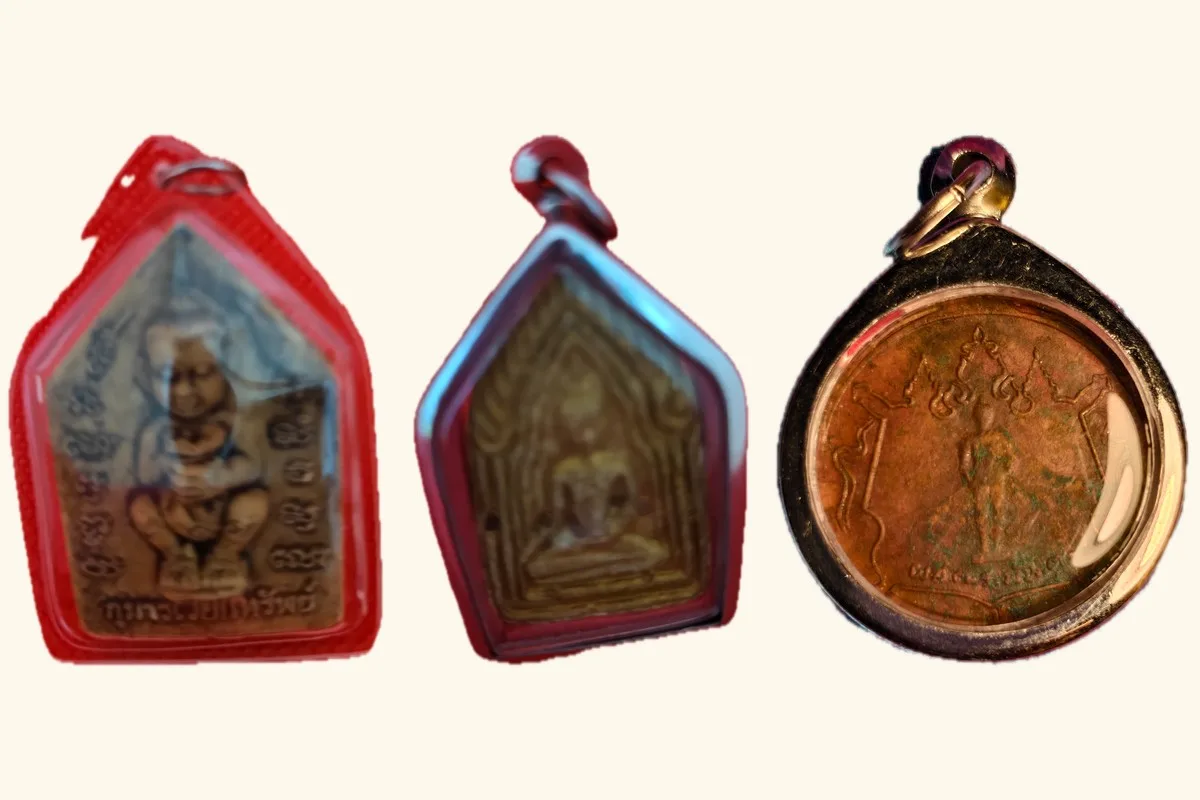
Sacred powder (Nuea Phong)
Sacred powder amulets are made by mixing several sacred powders and pressing them in a mould. In the traditional “rubbed powder” method, the monk writes scriptures and yantra one by one on a board while chanting, then rubs them off, and the powder collected is the sacred powder; every batch’s recipe differs, and sellers usually list what sacred materials were mixed in. What Thais call “Phrai Kuman powder” is a sacred powder specially blended in LP Tim’s line; our LP Sakorn BE 2553 Khun Paen mixes in this powder and the monk’s hair. Note, though, that several 2023 Thairath reports, quoting LP Tim’s disciples, say Phrai Kuman powder contains yin materials, including the remains of a stillborn infant, oil from cremation and fragments of skull, so by the usual classification items containing it count as yin; we say so on each such product.
Powder amulets don’t like water; long soaking softens them, so a waterproof case is best.
Latest arrivals in our shop
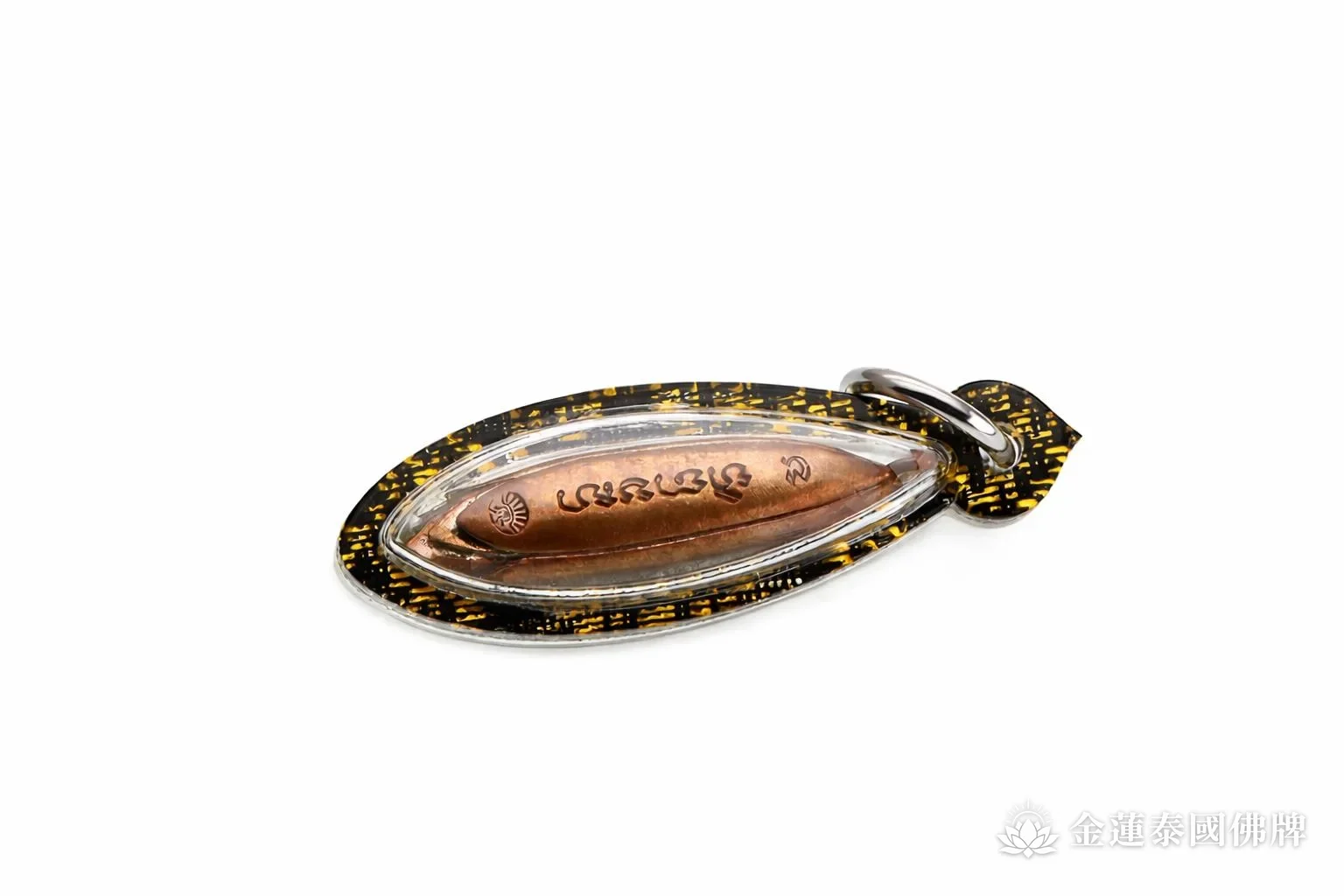 Phra Maha Surasak of Wat Pradu BE 2564 "Millionaire" Champak Blossom Dok Jumpee (Red Copper / Nine-metal Bronze, Waterproof Case)US$23
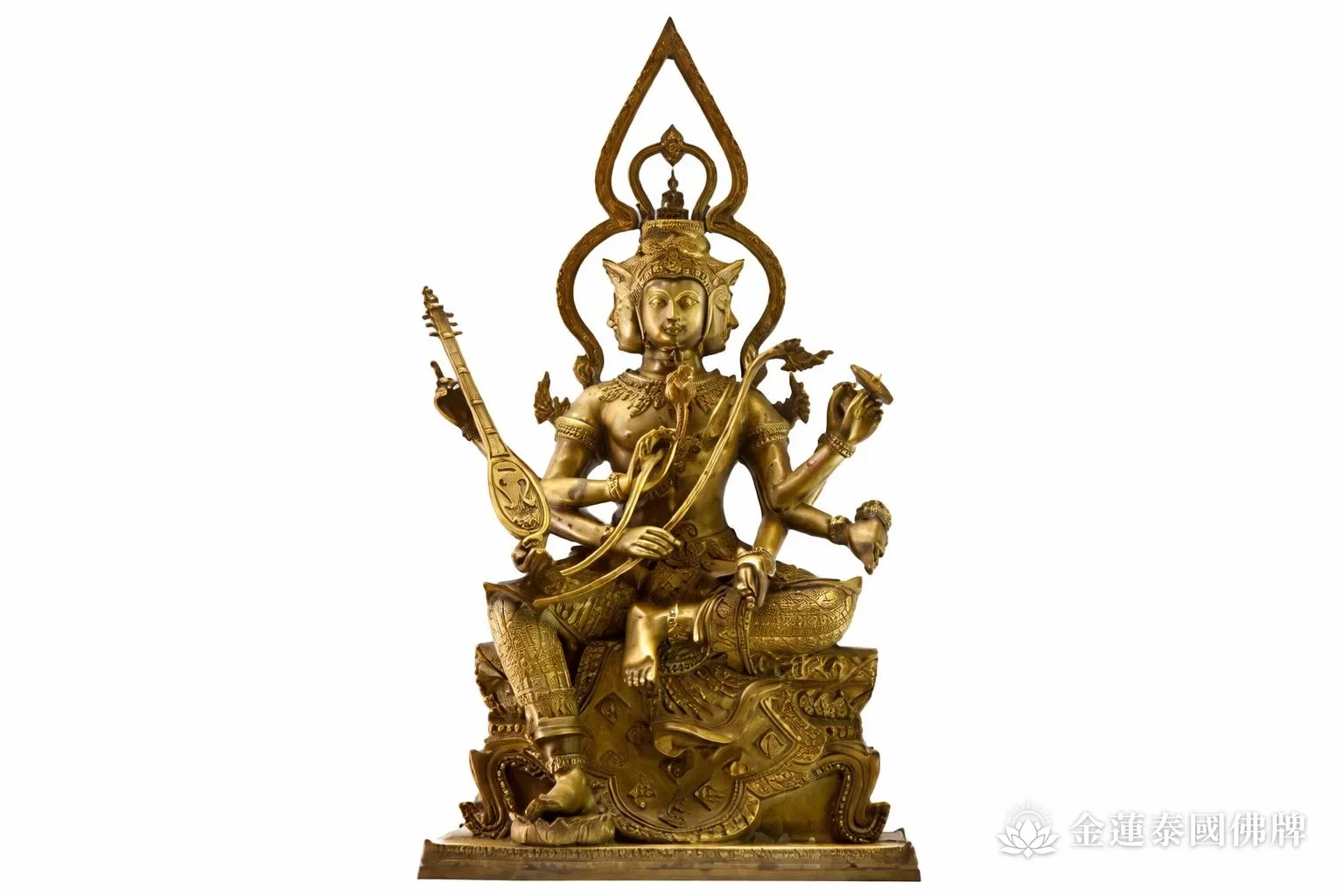 Luang Phor Jon of Wat Bunyarit BE 2554 Four-Faced Brahma Bucha Statue (Bronze, About 43 cm, Limited to 168)US$785
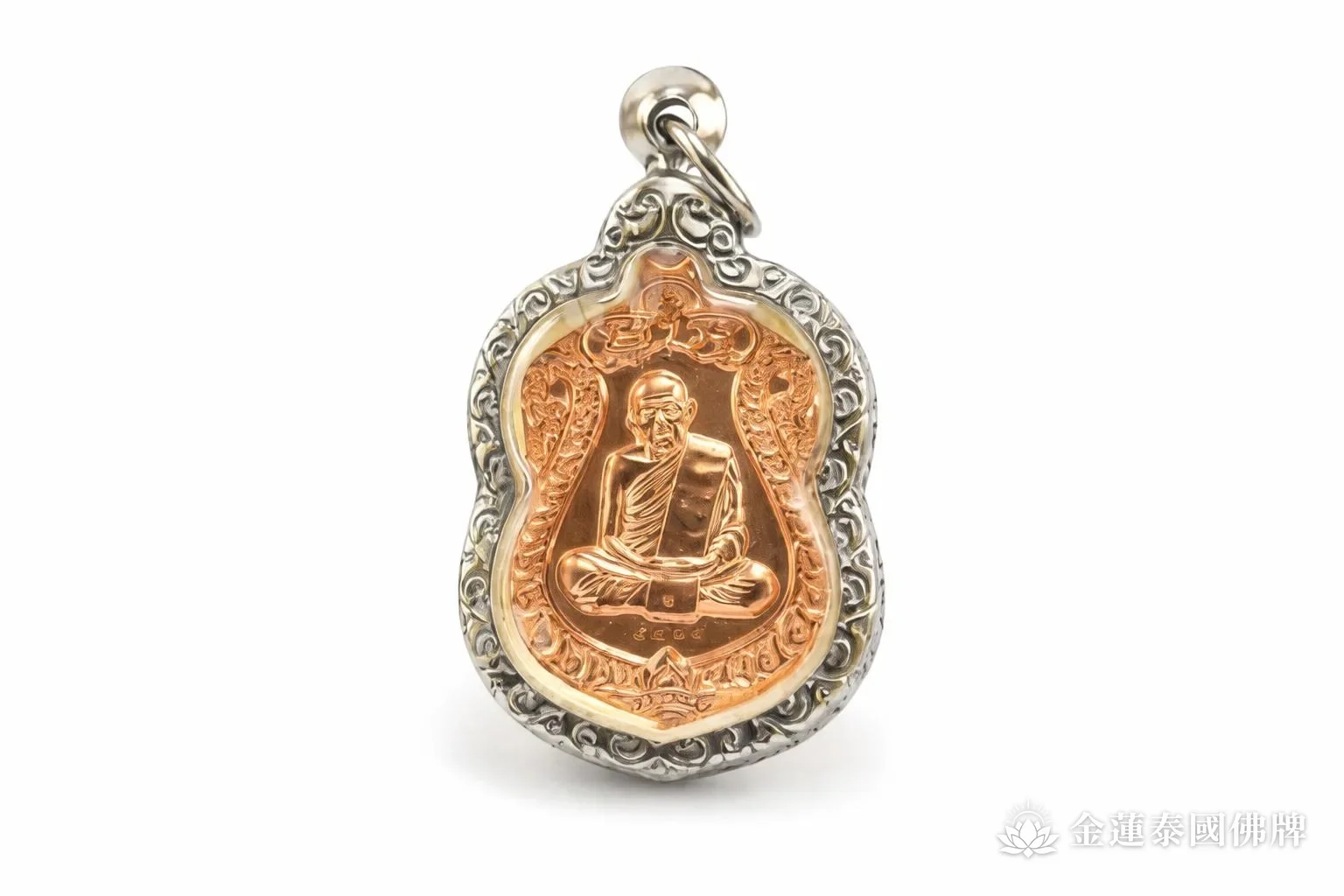 Wat Lahan Rai BE 2557 LP Tim Monk Image, Committee Version (Copper, Sema Shape, Steel Case)US$49
Temple clay, sacred soil (Nuea Din)
Made from soil collected within temple grounds or from many sacred places, mixed with sacred powder and fired or air-dried. The LP Tae BE 2523 Somdej is made of temple soil and sacred powder, while the LP Kalong BE 2550 LP Thuat uses black sacred soil from southern Thailand.
Clay amulets are harder than powder ones, but still shouldn’t be soaked for long.
Metal
Metal amulets are hard-wearing and the least fuss day to day. There are several common kinds:
Red copper and brass
The most widespread materials. Brass is golden and red copper reddish; both oxidise and darken with wear, and many collectors actually prefer this aged colour. An example is the LP Kliang BE 2556 brass Pidta.
Alpaca
A copper-nickel alloy, silver in colour, also called German silver, often plated with silver or gold, as on the LP Hong BE 2547 Four-Faced Brahma and Ganesha double-sided amulet.
Nawaloha and seven-metal alloy
In Thai นวโลหะ (Nava Loha), nine metals. Thailand’s Post Today explains that the nine are five main metals, iron, mercury, copper, silver and gold, plus เจ้าน้ำเงิน, zinc, ชิน (a tin-lead alloy) and pure copper; in Wat Suthat’s traditional recipe for casting Phra Kring, the nine metals increase one by one in weight from 1 to 9 baht. This alloy is darkened by sweat with long wear, turns white or red when polished, then slowly darkens again. The LP Thongdum BE 2545 Phra Kring and the LP Chu BE 2569 owl are of this kind.
Recast old material
Some batches melt down a temple’s old bells, fragments of old amulets and ancient ritual objects to recast them; the LP Kalong BE 2549 roaring Kotchasi, for example, used ancient Khmer war gongs and bronze drums.
Lek Lai
Lek Lai (เหล็กไหล) is a sacred mineral of Southeast Asian folk belief. Thai Wikipedia says the most widely told kind is hidden in mountain caves, black like a gemstone, and stretches when heated; its owner is said to be invulnerable, and mountain spirits and nagas guard it when people try to take it. These are all legends, and Thai collectors have long debated its authenticity. Lek Lai items mostly have a natural metallic sheen; we have the LP Huan BE 2545 Lek Lai Buddha and the LP Somporn BE 2558 Lek Lai LP Thuat.
Herbs (Nuea Wan)
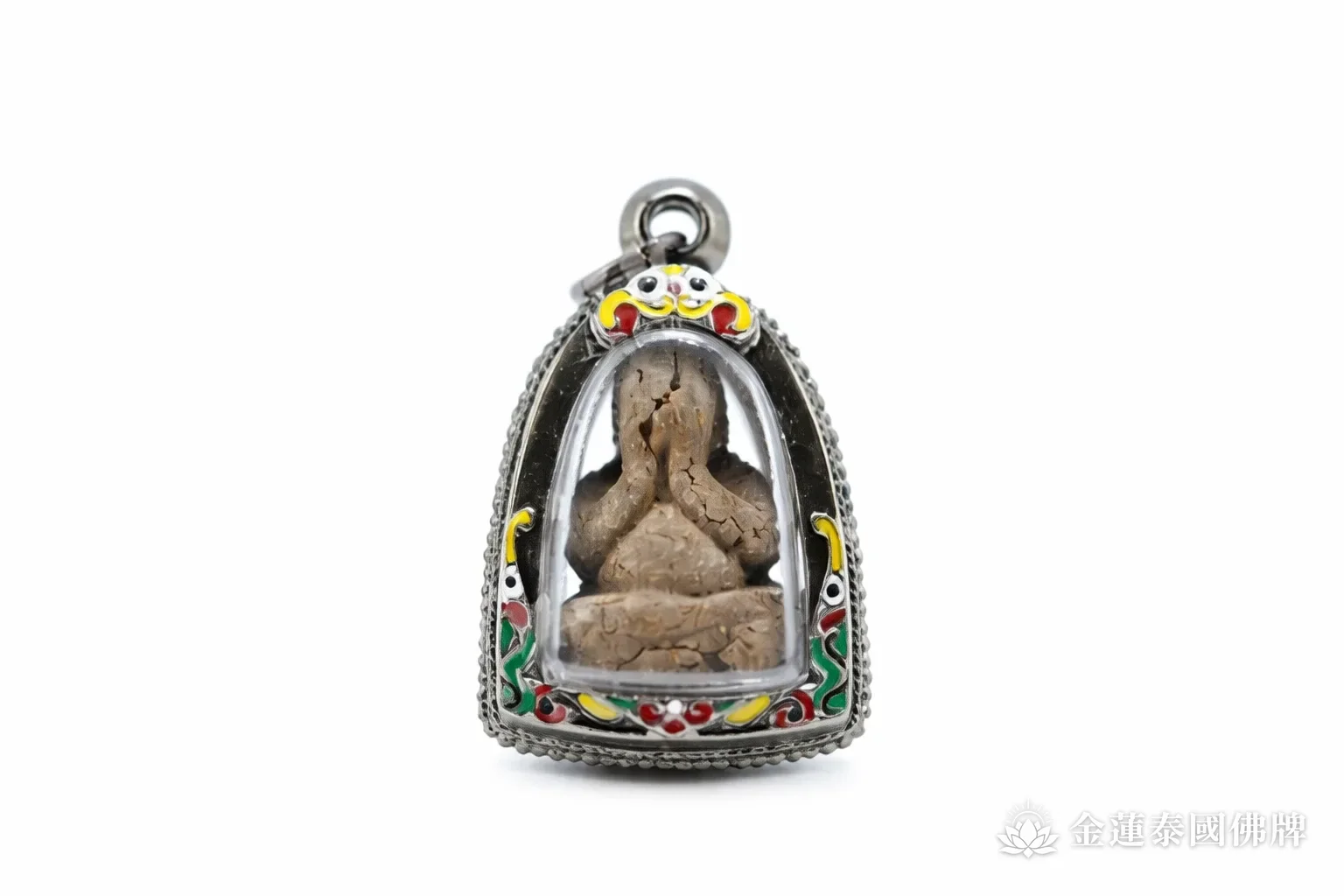
Made from many Thai herbs ground to powder, mixed with temple clay and pressed; plant fibres are usually visible on the surface, and there’s a faint herbal smell. The LP Chuan BE 2556 herbal Pidta is one of these. Herbal amulets fear damp most and must be cased.
Other, rarer materials
There are also ancient bodhi wood shavings, popularity balm, animal hair, sacred thread and more. The LP Thap BE 2505 Nang Kwak mixes in his famous popularity balm, and the tube of the LP Pan BE 2557 takrut is stuffed with animal hair. Most of these materials have a particular meaning in their tradition, so ask about them when you choose one.
Frequently asked questions
Which material makes the most powerful amulet?
There’s no such ranking. Material is only part of how an amulet is made; the monk who blesses it and the ceremony are what matter, so choose what you like and find easy to care for.
What happens if a powder or clay amulet gets wet?
An occasional splash wiped dry is fine; only long soaking softens it or makes powder come off. A waterproof case gives the most peace of mind; for choosing one, see Waterproof, open-back or sterling silver: choosing a case.
My copper amulet has gone dark; should I polish it?
We don’t recommend chemicals. Darkening copper is natural oxidation, and collectors usually prefer to keep the original colour; a gentle wipe with a dry cloth is enough.