
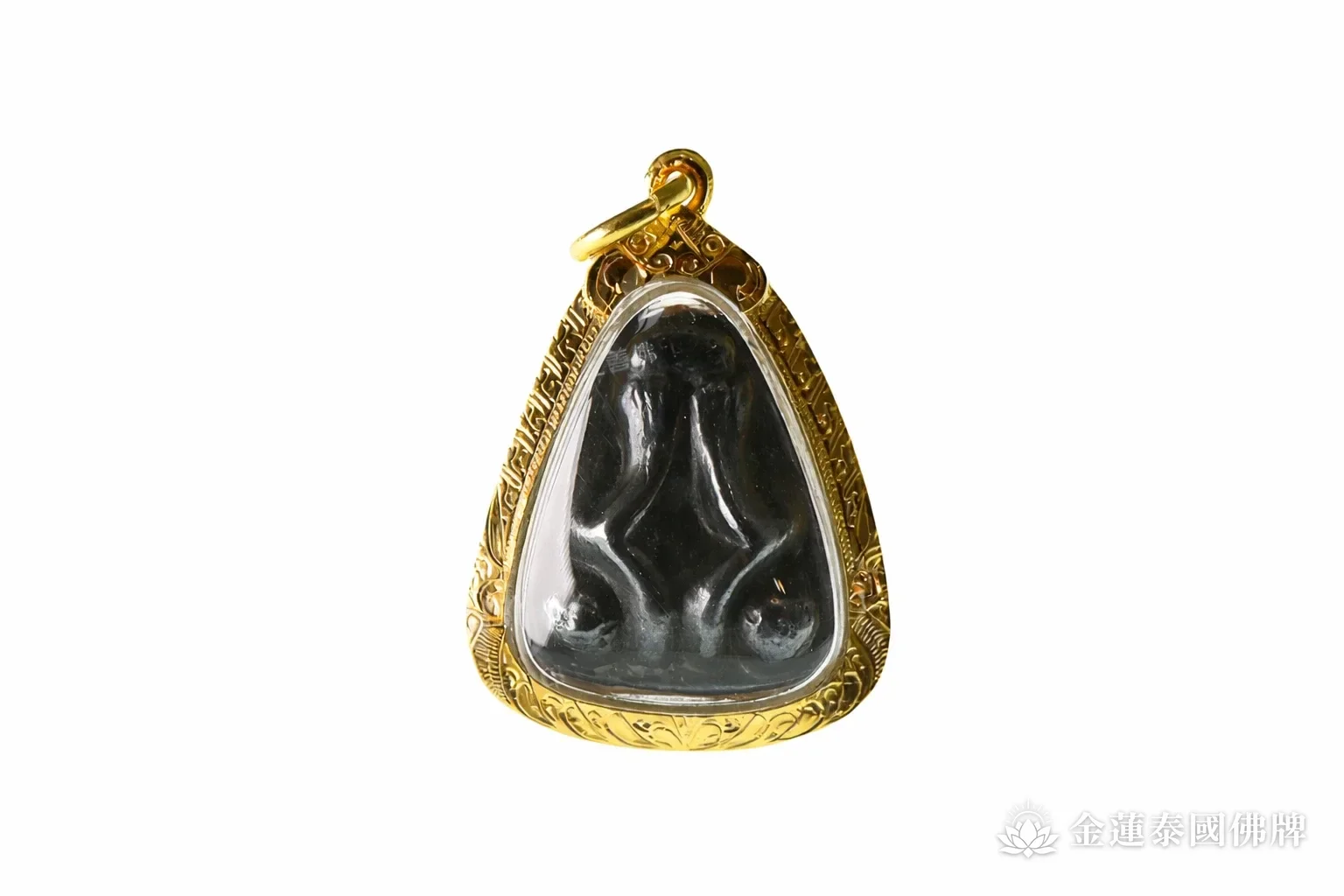
A Phra Pidta (Phra Pidta Lang Yant) blessed between BE 2460 and 2470 by Luang Pu Boon (Luang Pu Boon Khanthachot, หลวงปู่บุญ ขันธโชติ) of Wat Klang Bang Kaeo in Nakhon Pathom, in Mekhaphat alloy (Nuea Mekhaphat), about 3.2 cm tall, nearly a hundred years old, with an authentication card. Available in an 80% gold case or a sterling silver case.
Amulet details
| Blessed by | Luang Pu Boon (Luang Pu Boon Khanthachot, หลวงปู่บุญ ขันธโชติ), monastic title Phra Phutthawithi Nayok |
|---|---|
| Temple | Wat Klang Bang Kaeo, Nakhon Chai Si district, Nakhon Pathom |
| Name | Phra Pidta with yantra back (Phra Pidta Lang Yant) |
| Year | Between BE 2460 and 2470 (about 1917–1927) |
| Image | Front: Pidta covering his face with both hands, knees rounded; back: engraved yantra |
| Material | Metal, old amulet fragments, Mekhaphat |
| Size | About 3.2 cm tall |
| Case | 80% gold waterproof case, or sterling silver waterproof case |
| Authentication | With authentication card (for how to check it, see What is an amulet authentication card?) |
| Benefits | Safety, blocking troublemakers and disputes, warding off evil spirits |
| Price | 80% gold case US$501 / sterling silver case US$307 (both with authentication card) |
Want to know the monk who blessed this piece? Read the LP Boon profile ›
This Pidta
A small triangle, narrow at the top and wide at the bottom: Pidta raises both hands to cover his face, his arms bent into a diamond shape, with two round knees bulging at the base. Mekhaphat alloy is black with a blue tinge and a silvery-grey sheen on the surface; raised parts are worn bright, and recesses have natural rust and clay colour, as is common for amulets nearly a century old. Because each was cast by hand, the lines of the arms and the roundness of the knees differ slightly from piece to piece, and the yantra on the back varies in depth too. We have several, fitted with 80% gold or sterling silver cases.
Luang Pu Boon and Mekhaphat
Luang Pu Boon was one of the most famous old monks of Nakhon Pathom in recent times. Born in 1848, he led Wat Klang Bang Kaeo for decades, and many later famous monks received teachings from him. Mekhaphat is an alloy that old Thai monks smelted from many metals and minerals, glossy black, traditionally believed to protect against danger. According to the seller’s information, Luang Pu Boon was close friends with LP Nak, another old Nakhon Pathom monk famous for Mekhaphat Pidta, and their Mekhaphat is very similar in colour and feel. His life is in the Luang Pu Boon profile.
For why Pidta covers his face and how the famous Pidta masters differ, see the Phra Pidta section; metals are introduced in Amulet materials.
Frequently asked questions
Is there any difference between the gold-case and silver-case pieces?
The amulets are from the same batch; only the case differs. The 80% gold case looks better over time and holds its value; the sterling silver case is cheaper.
What is the authentication card for?
It has a photo and a number that can be checked on the issuer’s website; see What is an amulet authentication card?
Is an amulet nearly a hundred years old fragile?
Mekhaphat is a metal, and it’s sealed in a waterproof case, so everyday wear is fine. For case care, see How to choose an amulet case.
Which Luang Pu Boon is this?
Luang Pu Boon Khanthachot (หลวงปู่บุญ ขันธโชติ) of Wat Klang Bang Kaeo, not any other monk with a similar name. He passed away nearly ninety years ago; for how to view old amulets, see Amulets after the monk has passed away.
More Phra Pidta in our shop
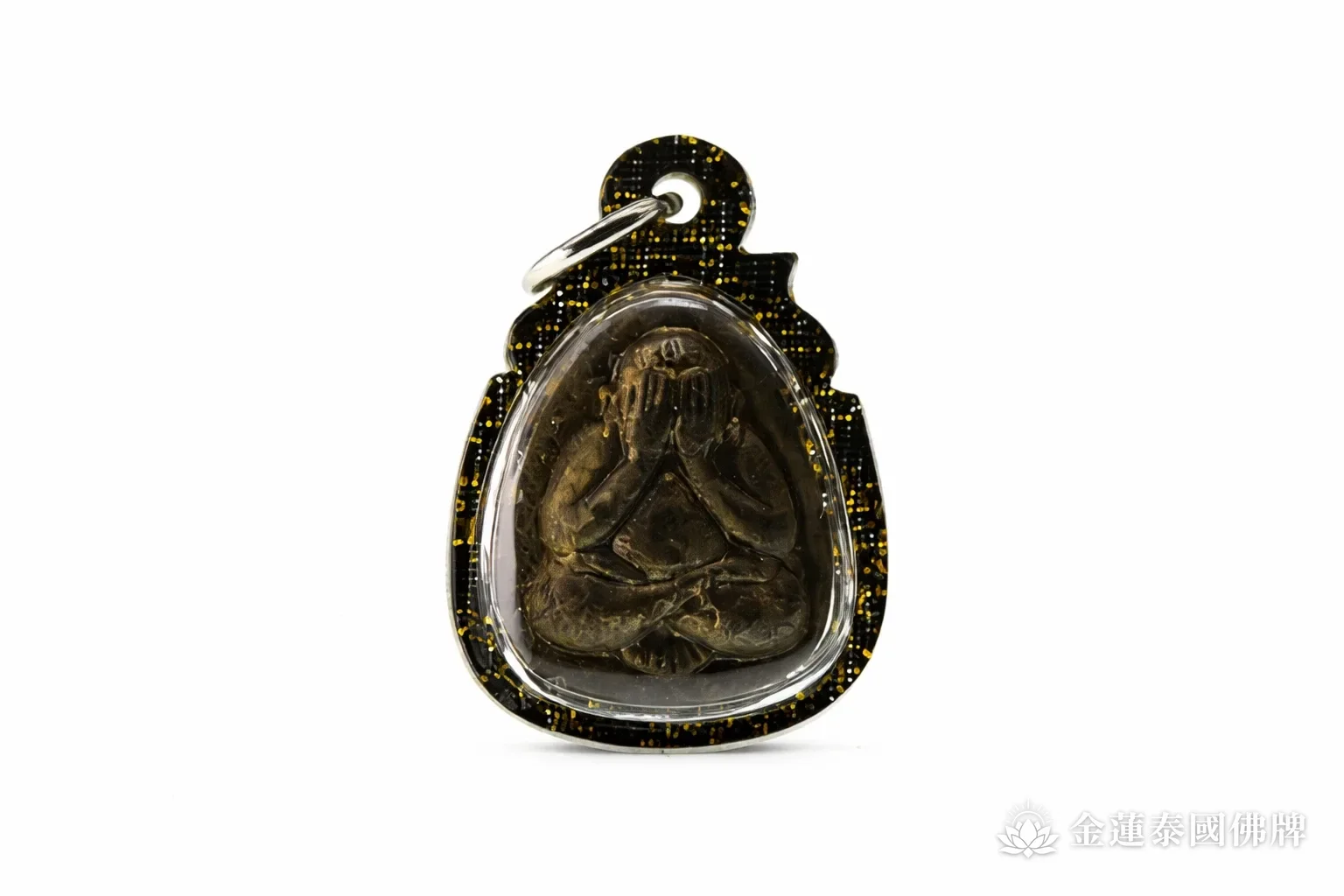 LP Sing BE 2561 Herbal Powder Phra Pidta (Waterproof Case)US$62
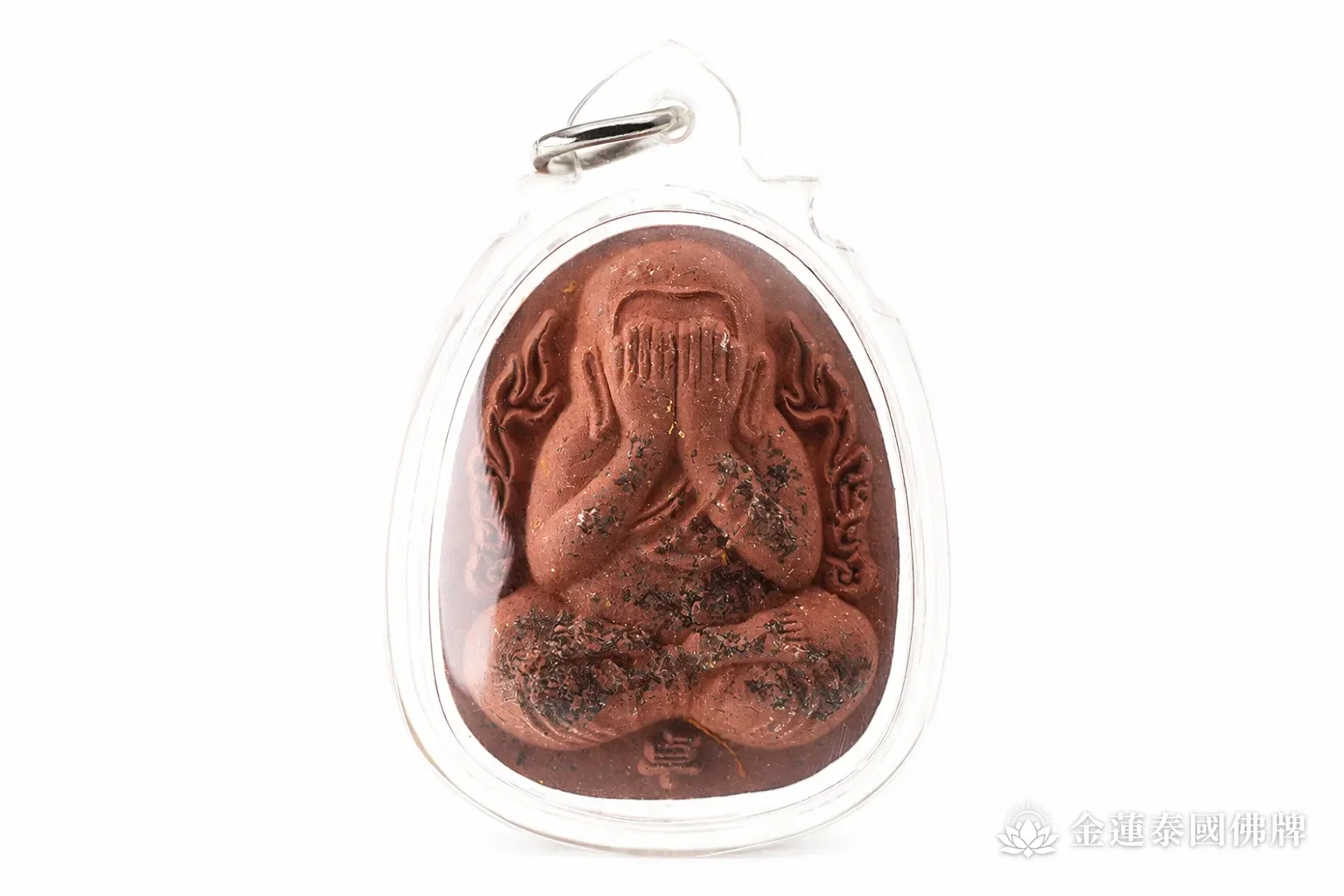 Luang Pu Toh Line BE 2565 Flame Phra Pidta (Reissue of the 2522 Version, Herbal Powder, Numbered)US$49
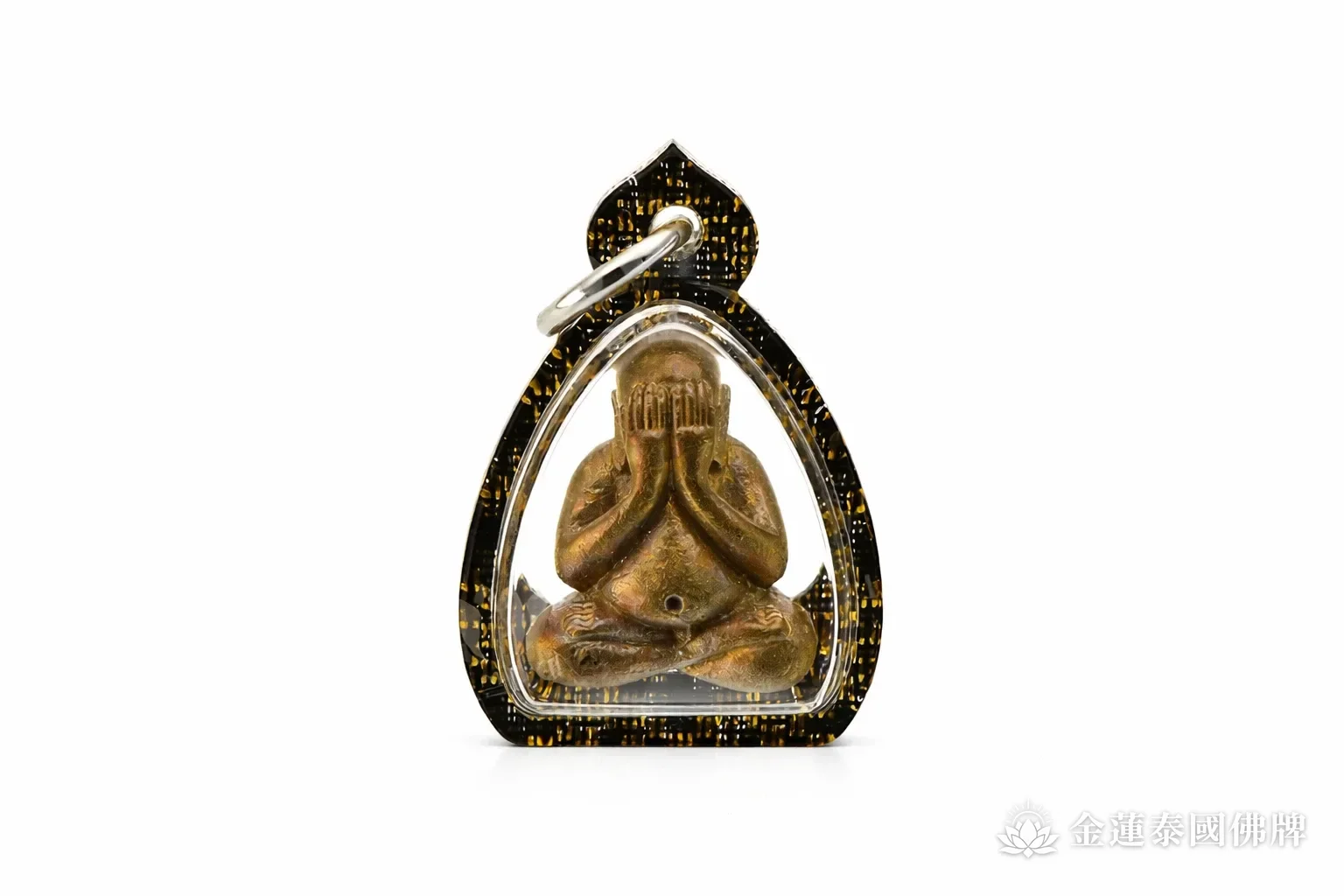 LP Thong BE 2539 First-batch Phra Pidta "Rub Sap" (Old Bell Metal, Certificate Card)US$101