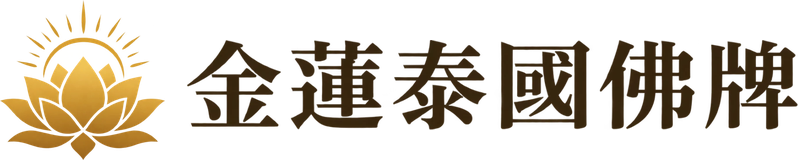
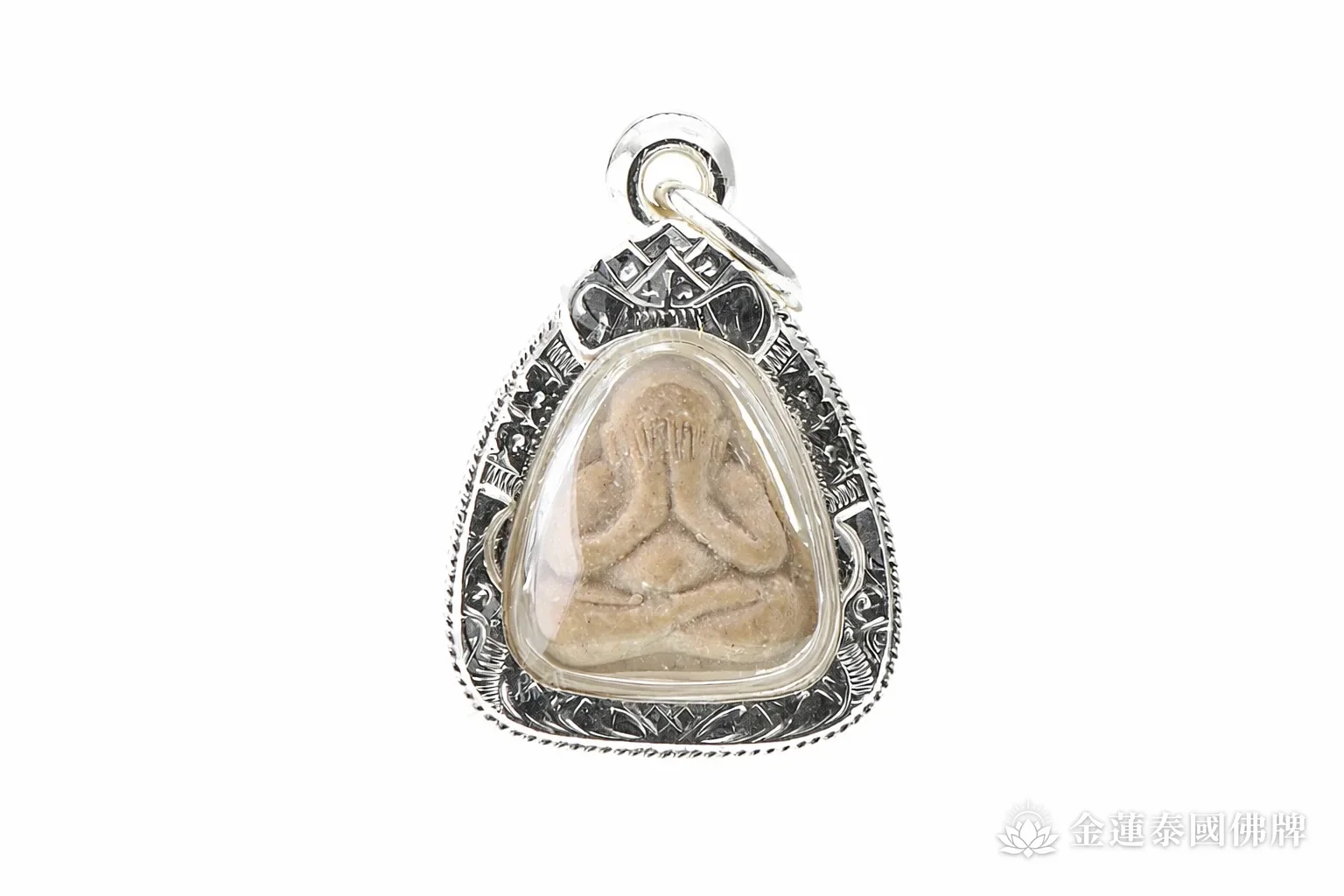
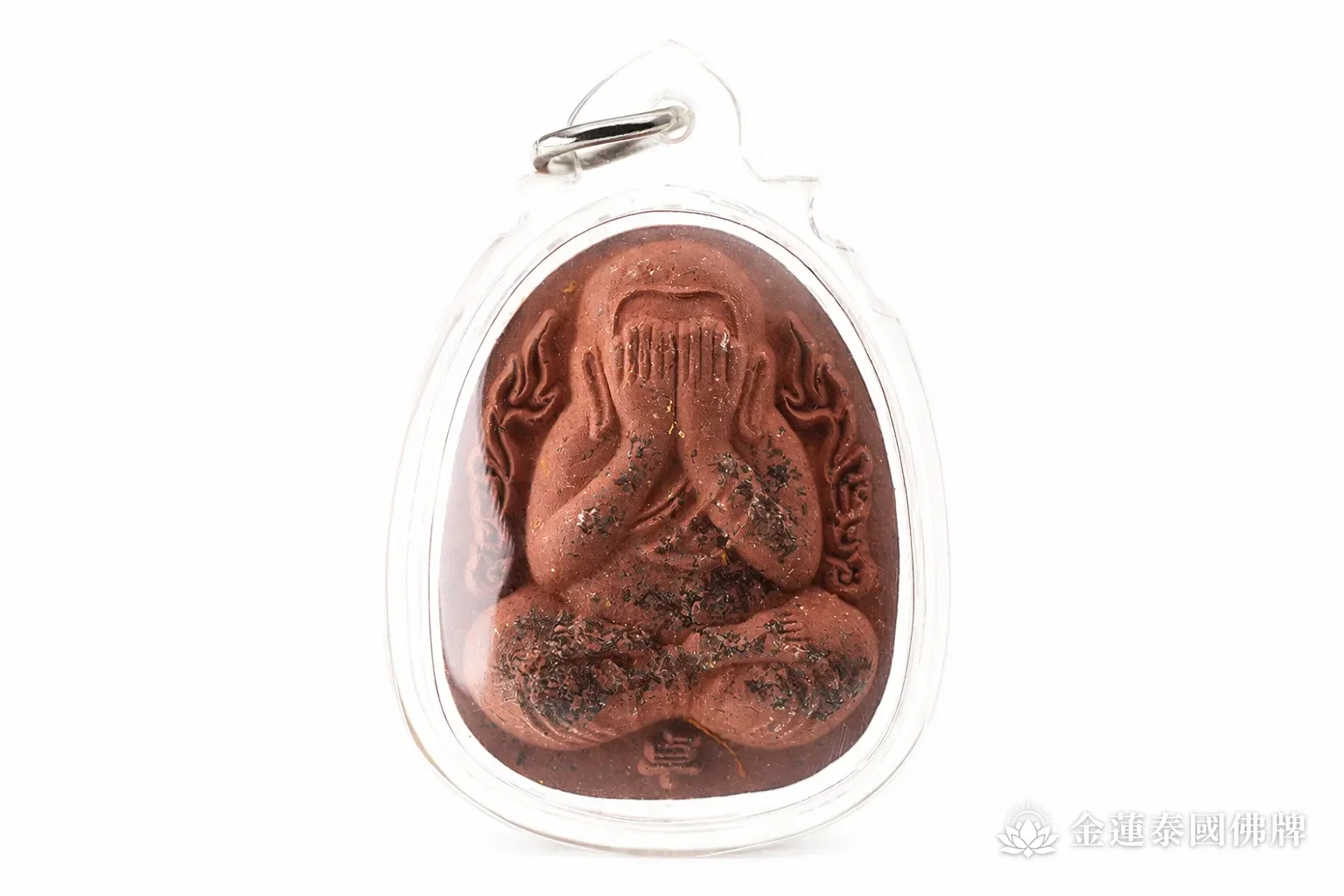
A Phra Pidta blessed by LP Si (Luang Pu Si, หลวงปู่สี) of Wat Khao Tham Bunnak (วัดเขาถ้ำบุญนาค) in Nakhon Sawan, made in BE 2517 by monks of Bangkok’s Wat Pho, with the “นะมิ” (Na Mi) yant inside a Bodhi leaf on the back. A powder amulet in a small triangular mould, in a sterling silver waterproof case.
Amulet details
| Blessed by | LP Si (Luang Pu Si Chanthasiri, LP See, หลวงปู่สี ฉนฺทสิริ) |
|---|---|
| Temple | Blessed at Wat Khao Tham Bunnak (วัดเขาถ้ำบุญนาค), Takhli district, Nakhon Sawan, Thailand; made by Wat Pho, Bangkok |
| Name | Phra Pidta “นะมิ” (Phra Pidta Na Mi), also called “Maha Lap” by collectors |
| Year | BE 2517 (1974), issued during the monk’s lifetime |
| Image | Front: Phra Pidta covering his face with both hands, seated cross-legged. Back: a Bodhi leaf in a triangular frame, with “นะมิ” engraved in the leaf |
| Material | Sacred powder, flower powder, old gold leaf, ancient sacred powders and the monk’s chewed betel |
| Size | Small triangular mould, about 2.3 cm tall including the sterling silver case |
| Case | Sterling silver waterproof case |
| Versions and prices | With S-Amulet certificate card US$114; with Thai amulet association (Samakhom) certificate card US$126 |
| Benefits | Warding off evil, protection from misfortune, blocking troublemakers, avoiding legal trouble, safety |
Want to know the monk who blessed this piece? Read the LP Si profile ›
This Phra Pidta
It’s tiny, barely noticeable round the neck, good for anyone who doesn’t want to wear a big amulet. On the front Phra Pidta covers his face with both hands, every finger visible, elbows resting on his knees and legs crossed, the whole figure drawn into a triangle. The back has a triangular frame around a Bodhi leaf whose veins divide from the midline, with “นะ” and “มิ” engraved on either side. The powder is pale brown with fine white specks, and the edges show natural wear from decades of handling.
Thai amulet catalogues record four colours of this design, including red, black and white; this piece is one of the light-coloured ones.
About this batch
In BE 2517, Phra Khru Wisit Somphot of Wat Pho (Wat Phra Chetuphon) had a batch of powder amulets made and brought them to LP Si to bless; Khaosod’s amulet column records these “long-life powder amulets”. The seller says the batch raised funds for a pavilion and monks’ quarters at a temple in the maker’s home village, and that the powder included betel chewed by LP Si, gold leaf flaked from old Buddha images at Wat Pho and several flower powders; we’ve only seen these material details in collectors’ sources and list them as given.
LP Si the man
LP Si came from Surin. As a young man he was a soldier, a cattle trader and a hunter, and later ordained; in his last years he lived at Wat Khao Tham Bunnak in Takhli district, Nakhon Sawan, passing away in February 1977, with his body kept in a glass coffin at the temple. According to the temple and Thai records he was born in 1849 and was 127 when he died, among the longest-lived monks on record in Thailand; there were no birth papers in that era, so the age can only follow the records. His full life is in the LP Si profile.
Phra Pidta
Phra Pidta covers his face with both hands, meaning closing off the six senses so as not to be disturbed by the outside world, and Thais mostly wear it for protection from misfortune, keeping their money and blocking troublemakers. The meaning of Phra Pidta and the difference between numbers of hands are in Why does Phra Pidta cover his face?; our other Phra Pidta are in the Phra Pidta section. A small powder amulet like this pairs well with others; see How to wear several amulets.
Frequently asked questions
What does “นะมิ” mean?
นะมิ (Na Mi) is a yant syllable common on Thai amulets, engraved on the back for blessing and protection. Thai collectors call this design “Pidta Na Mi”, and some call it “Maha Lap” (great fortune).
What’s the difference between the two versions?
It’s the same amulet; the difference is the certificate card: one from S-Amulet, the other from the Thai amulet association (Samakhom). For what a certificate card is and how to check it, see What is an amulet certificate card?
Did LP Si really live to 127?
Thai Wikipedia and the temple both say he was born in BE 2392 and died in 2520, which makes 127. There was no birth registration in the Thai countryside then, so the age can’t be checked against documents; we give it as recorded without drawing a conclusion.
More Phra Pidta in our shop
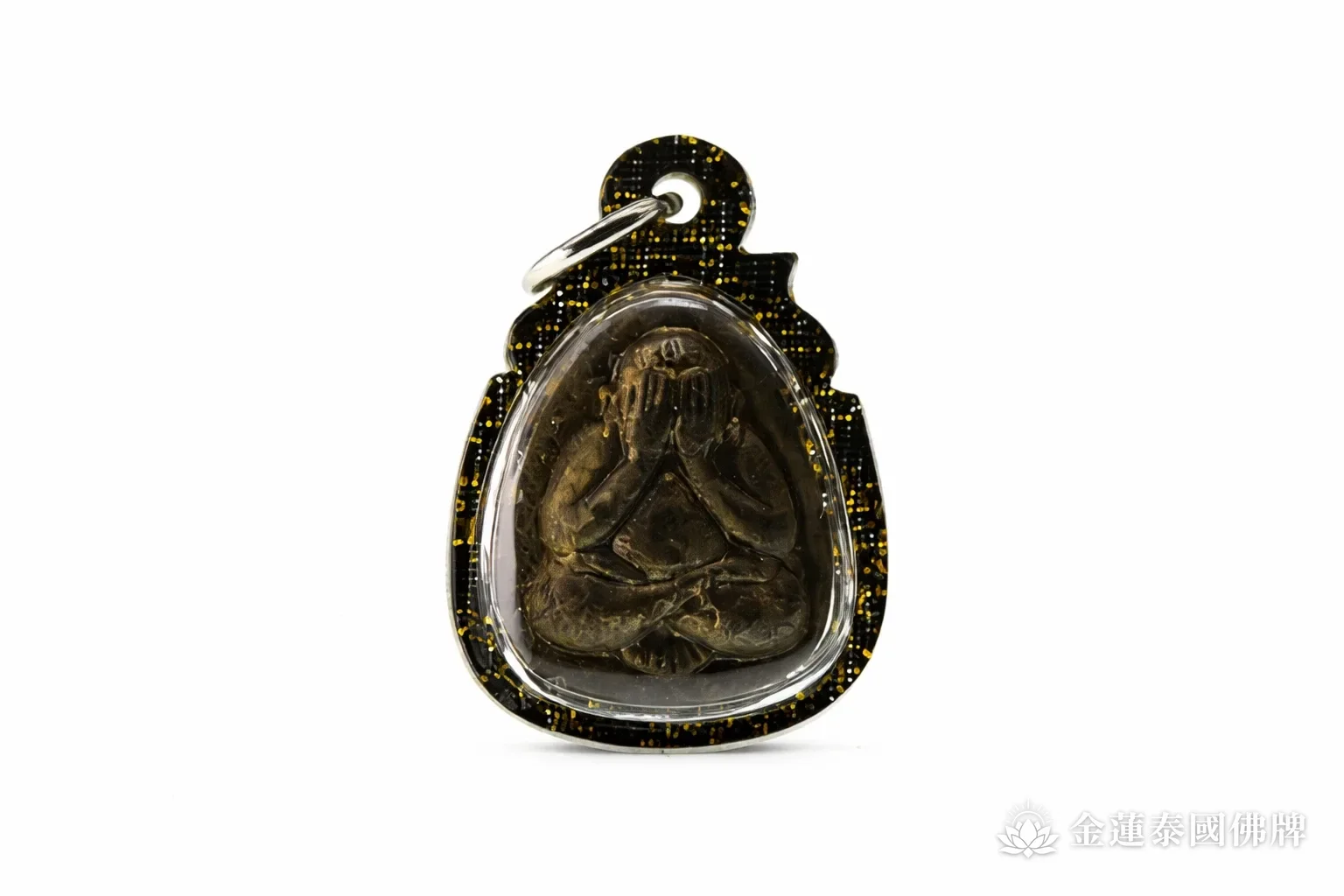 LP Sing BE 2561 Herbal Powder Phra Pidta (Waterproof Case)US$62
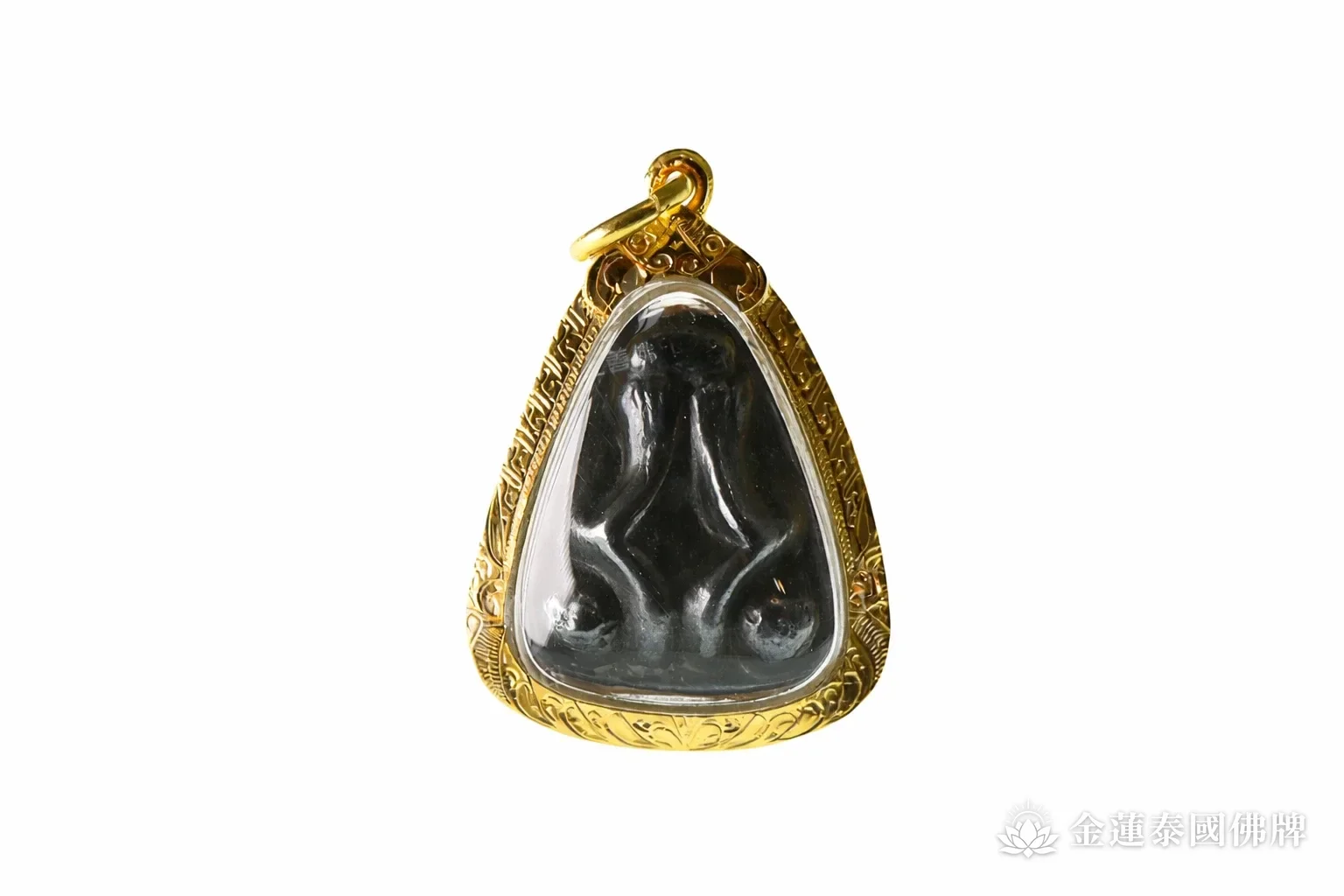 Luang Pu Boon BE 2460–2470 Phra Pidta Lang Yant (Mekhaphat Alloy, 80% Gold or Sterling Silver Case, With Authentication Card)US$307
 Luang Pu Toh Line BE 2565 Flame Phra Pidta (Reissue of the 2522 Version, Herbal Powder, Numbered)US$49