
Wat Ban Rai (วัดบ้านไร่) is in Dan Khun Thot district, Nakhon Ratchasima (Korat), northeastern Thailand, and Thais simply call it “LP Khun’s temple”. It isn’t especially old; its fame comes entirely from LP Khun, who was abbot here for decades. Worshippers came from all over the country, and the temple grew year after year.
Once just a small village monks’ lodging
Wat Ban Rai began as a monks’ lodging in Ban Rai village, already there in BE 2436 (1893, under King Rama V), with Phra Achan Chueam as its first abbot. It was only really built up after LP Khun came home from his wandering ascetic years. As donations grew, he didn’t spend them on making the temple glitter; he gave most of it away, and set up the LP Khun Foundation to fund schools, hospitals and temple repairs. This part of his life is told more fully in the LP Khun profile.
LP Khun amulets in our shop
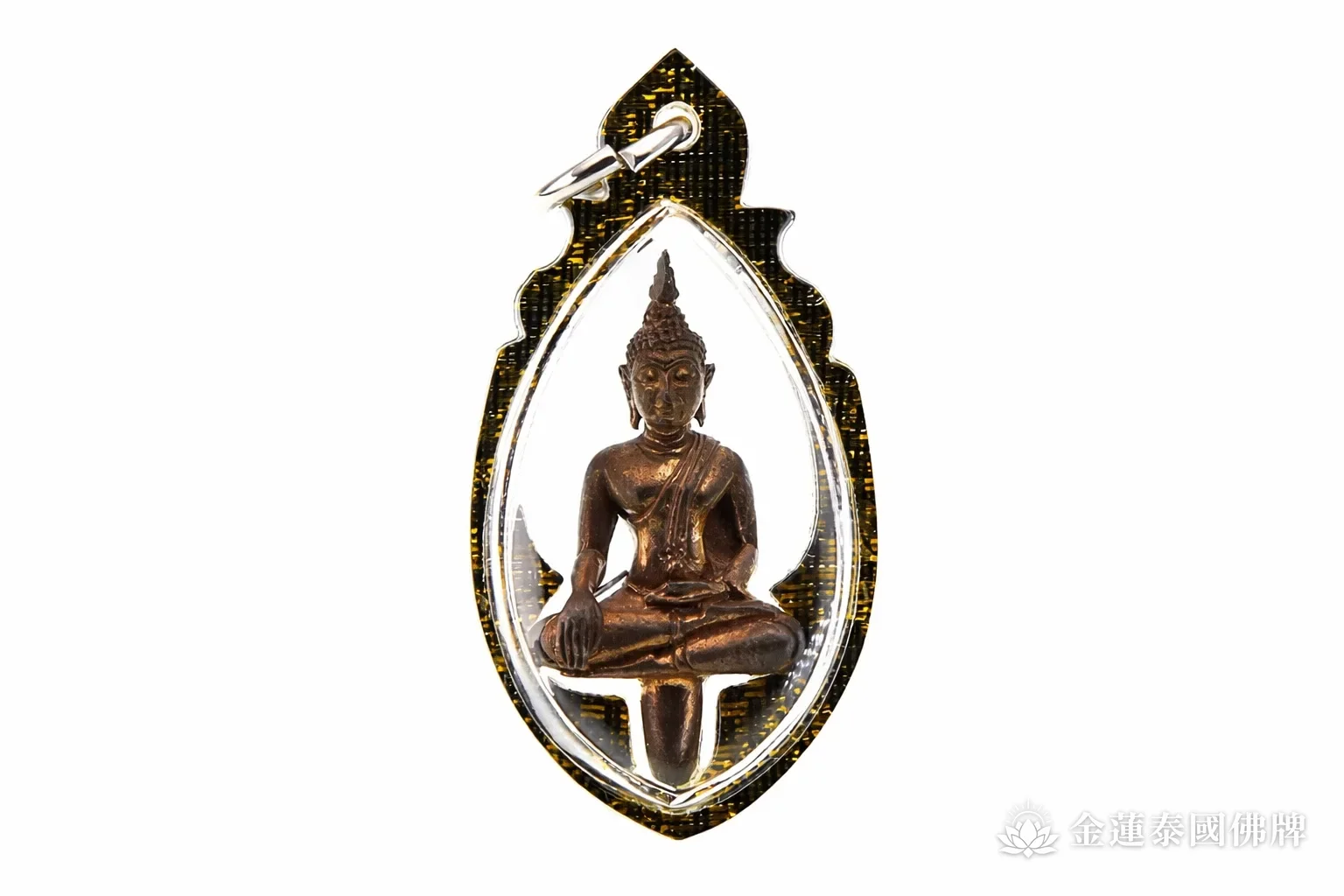 LP Khun BE 2540 Flagpole Buddha Phra Yod Thong (Nawaloha, Waterproof Case, With Authentication Card)US$126
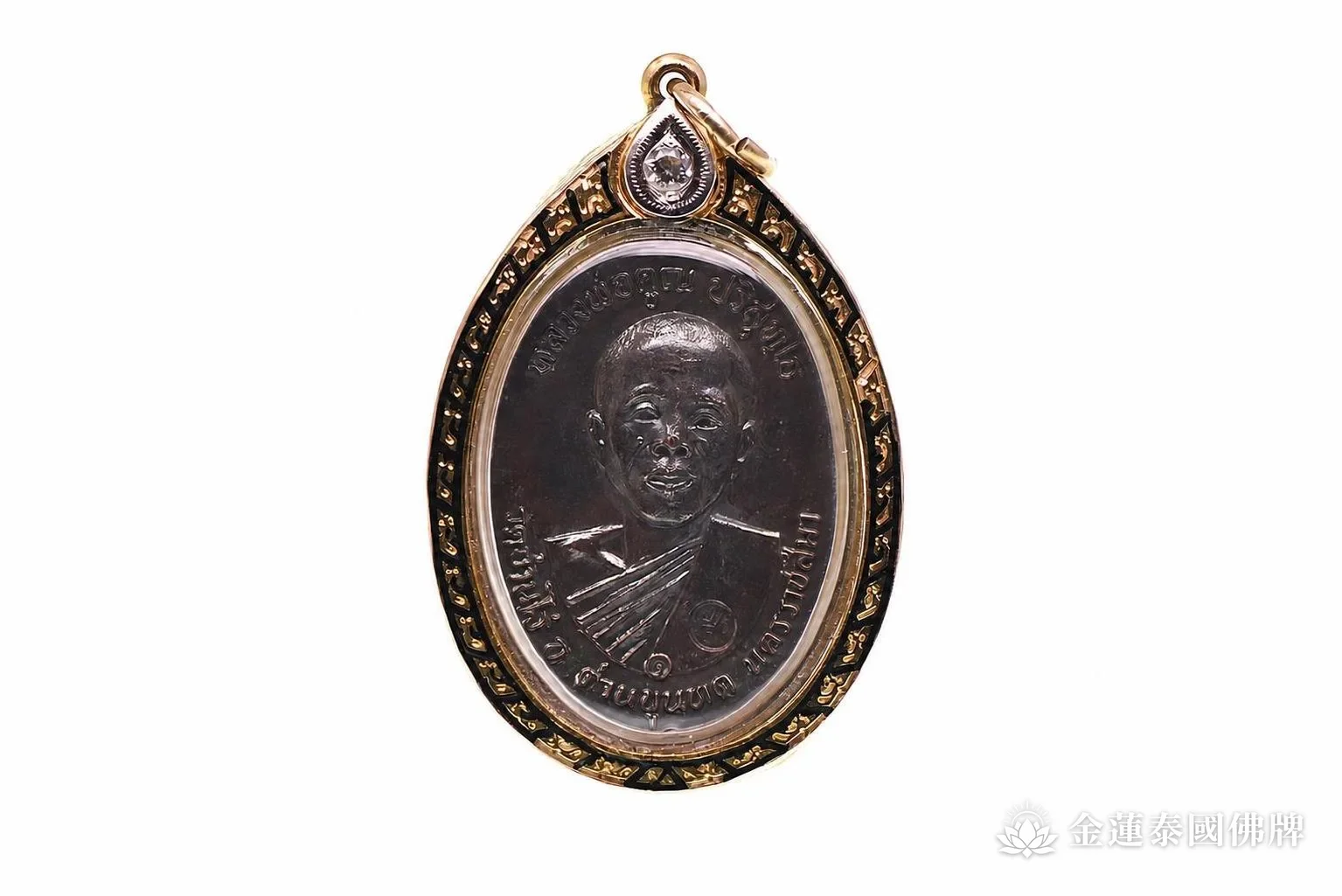 LP Khun BE 2517 Commemorative Monk Coin, Monks' Quarters Batch (Four Moulds, 80% Gold Case, Certificate Card)US$759
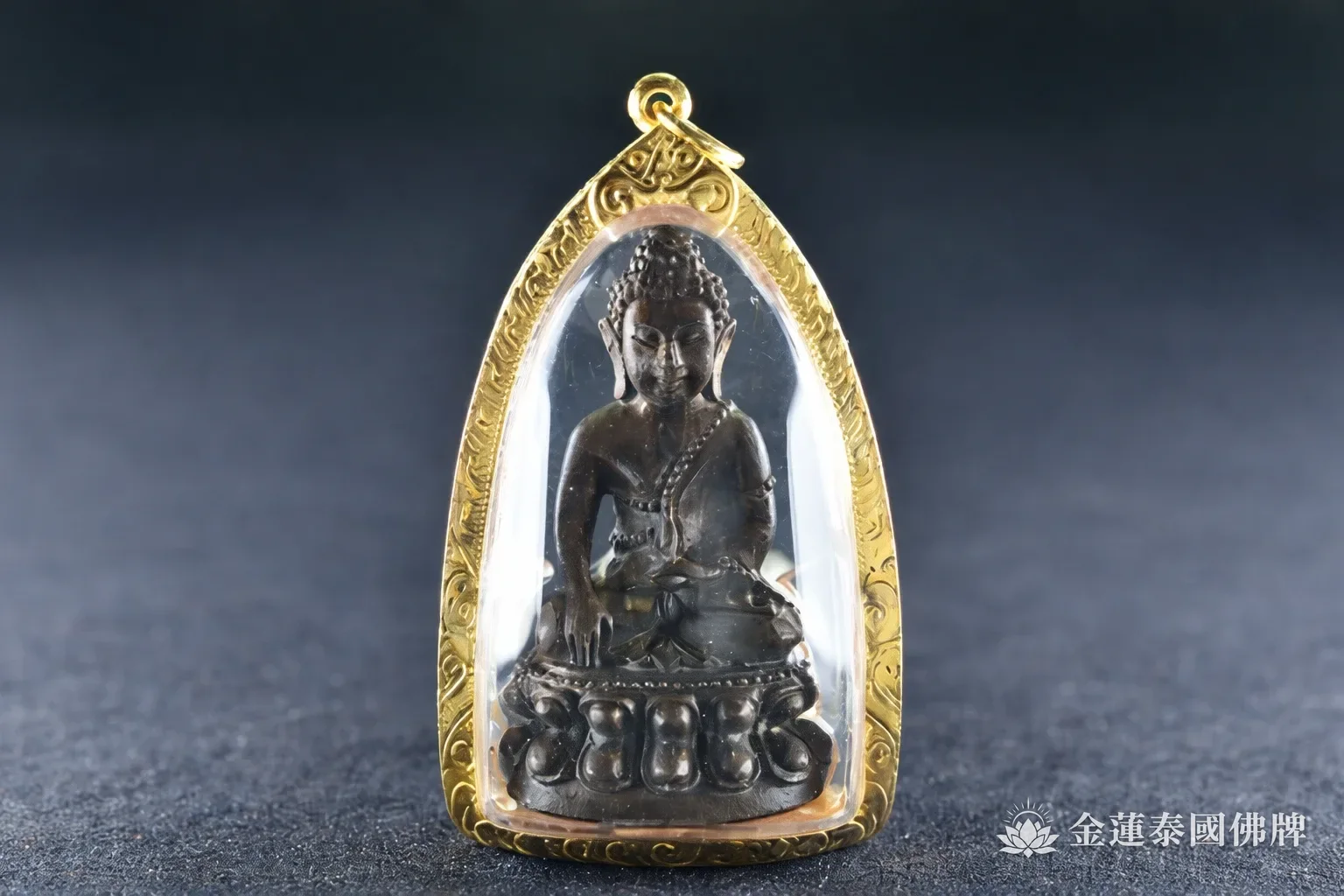 LP Khun BE 2536 Phra Kring (Nawaloha, With Competition Certificate, Gold Case)US$475
The elephant hall on the lake
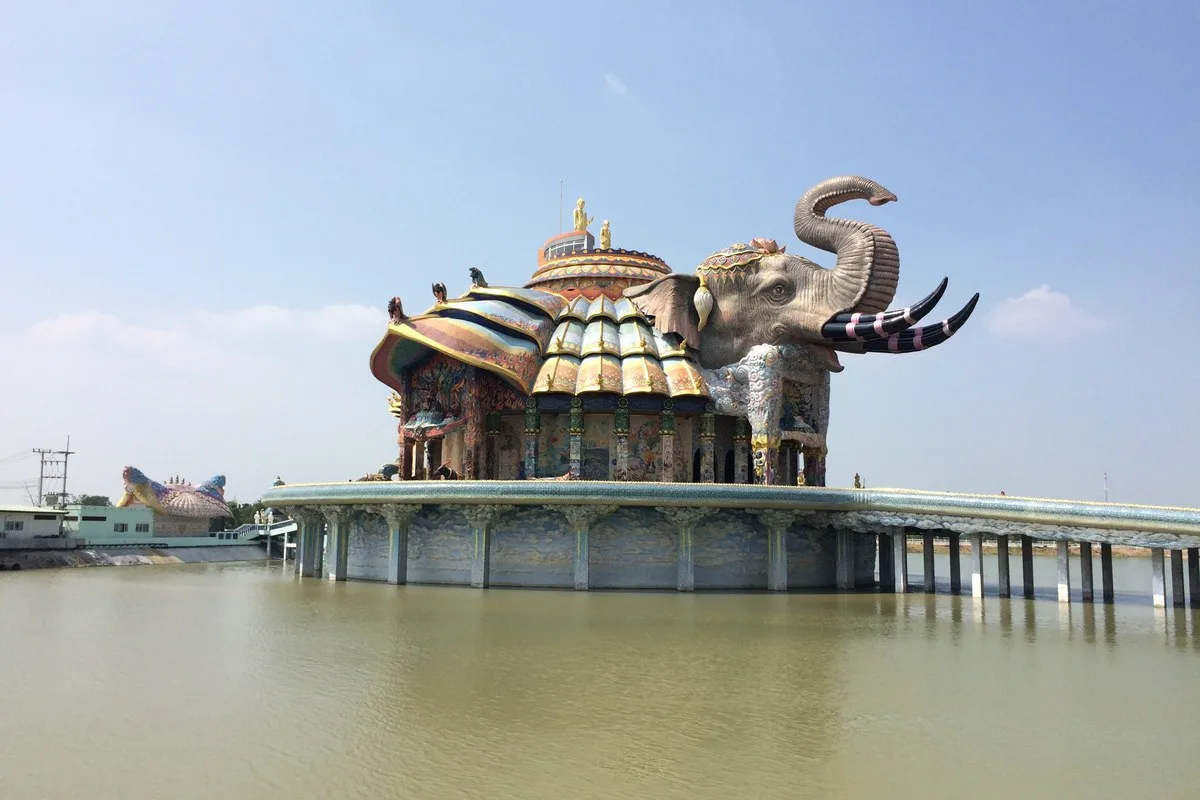
Go to Wat Ban Rai today and the first thing you’ll see is the great elephant in the middle of the lake. Its formal name is Ho Thep Witthayakhom (หอเทพวิทยาคม); it was completed in BE 2554 (2011) on a lake of about 30 rai (about 4.8 hectares). The whole building is shaped like an elephant, with three floors above ground and one below, topped by images of LP Khun and the Buddha; including them it stands 42 metres high, and the round platform beneath is about 65 metres across. Thai sources describe it as the largest Theravada Buddhist building in Thailand.
To reach it you cross a long bridge whose railings are naga (serpent) figures in coloured mosaic tiles, and there’s a fountain naga statue in the lake.
The LP Khun Museum
The temple also has an LP Khun Museum (พิพิธภัณฑ์หลวงพ่อคูณ), opened by Princess Sirindhorn on 14 October BE 2552. It has two floors and eleven sections, with a life-size wax figure of LP Khun, a recreation of his bedroom as it was, and a model of the wooden house he lived in as a child. The “ascetic wandering” section uses animation, sound and light to tell of his route between BE 2492 and 2495, walking from Thailand to Laos and Cambodia and back to Ban Rai.
Another section is devoted to information on his batches of sacred items. If you want to get to know LP Khun’s amulets, seeing the real things here first is far clearer than looking at pictures online.
What to know before you go
Wat Ban Rai is some way by car from Korat city, and public transport isn’t convenient; most people hire a car or drive, and can combine it with other Korat sights on the same day. It gets crowded, especially at weekends and on holidays, so to see the elephant hall at leisure, go on a weekday morning. Dress as you would for any temple; it’s written at the start of the Thai Temples section.
There are places selling LP Khun items both inside and outside the temple, with many batches and widely varying prices, and plenty of copies on the market. If you want an older batch with collector value, look carefully at the source and batch first; don’t take “bought at the temple gate” as a guarantee.
LP Khun items in our shop
We currently have an LP Khun BE 2536 Phra Kring in nine-metal bronze, which placed in a Thai amulet association competition, with its competition certificate and a gold case. LP Khun issued many Phra Kring; this one has a competition record you can look up.
Frequently asked questions
Did LP Khun build Wat Ban Rai?
Not entirely. The temple already existed in 1893, at first just a village monks’ lodging. The halls, elephant hall and museum you see today were mostly built bit by bit from worshippers’ donations after LP Khun became abbot.
Can I go inside the elephant hall?
Yes, it’s open to worshippers to visit and pay respect. Hours may change during ceremonies, so check the temple’s notices before you go.
Is an LP Khun amulet from the temple always genuine?
The temple’s own commemorative issues are genuine, but outside the temple and at the stalls around it you’ll find anything. There are many copies of older batches, so check the batch and source when taking one, and send it for authentication if needed.