There are a few days in the Thai year when temples are especially busy and no alcohol is sold anywhere in the country: Makha Bucha, Visakha Bucha, Asanha Bucha, the start of the rains retreat and the end of it. These are Buddhist holy days, reckoned by the Thai lunar calendar, so their Western dates change every year. This piece goes through them in the order of the year, covering what each commemorates and what Thais do that day.
Makha Bucha: full moon of the third Thai month
Usually in February or March. It commemorates a great gathering in the Buddha’s lifetime: 1,250 disciples came to the Buddha on the same day without having arranged it, and that day he taught them the fundamentals of Buddhism.
Makha Bucha became a national observance in Thailand under King Rama IV, who first held the rite at the Temple of the Emerald Buddha in 1851, after which it gradually spread across the country. In 2006 the Thai government also designated Makha Bucha as a “day of gratitude”, hoping young people would see it as an alternative to Valentine’s Day. Makha Bucha in 2026 coincided with a total lunar eclipse, which Thai newspapers reported on specially.
Latest arrivals in our shop
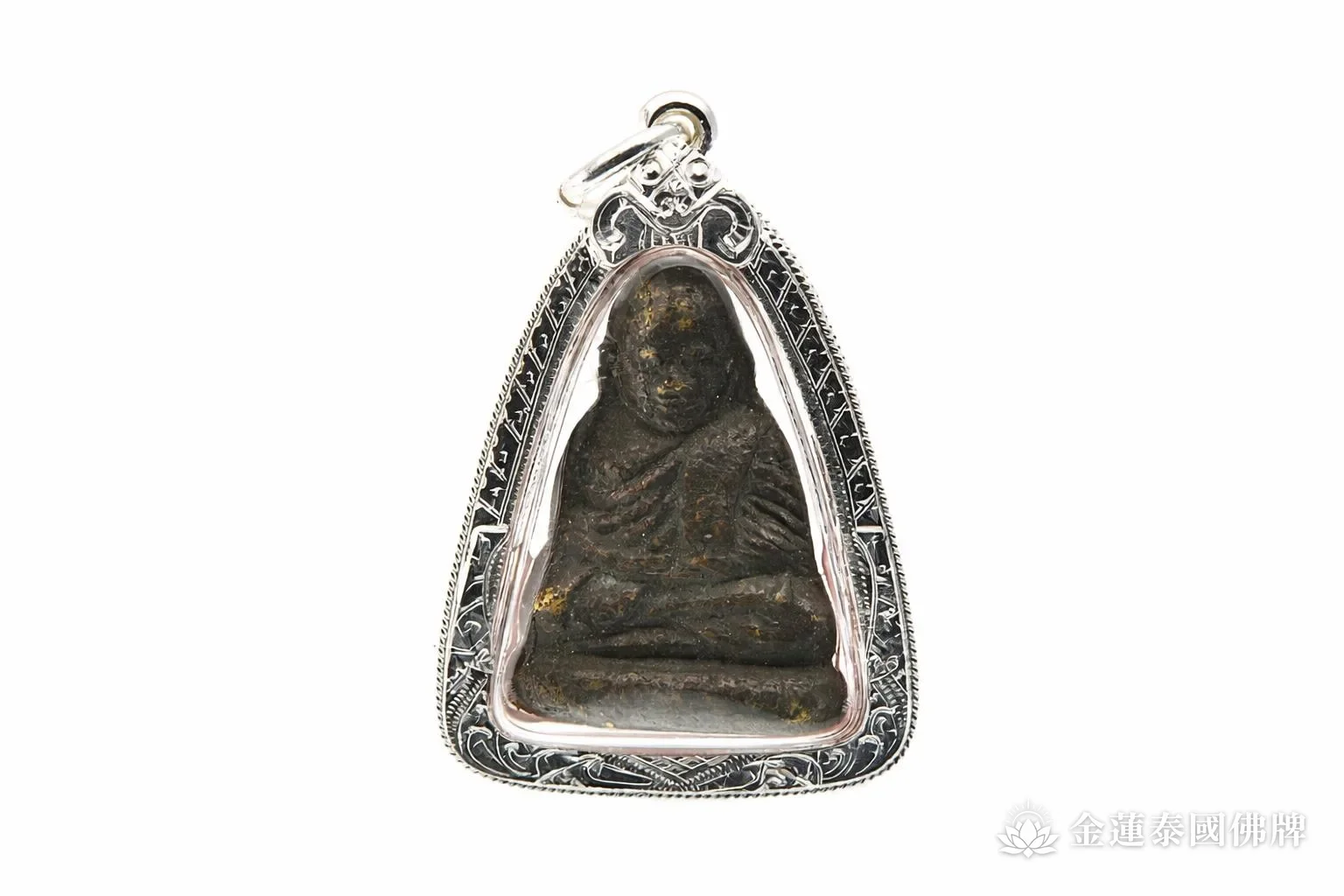 Wat Bang Klan Tai BE 2528 "Gun-bursting" Small LP Ngern Figure (Old Bell Bronze and Buddha-image Metal, Sterling Silver / 80% Gold Case, With Authentication Card)US$359
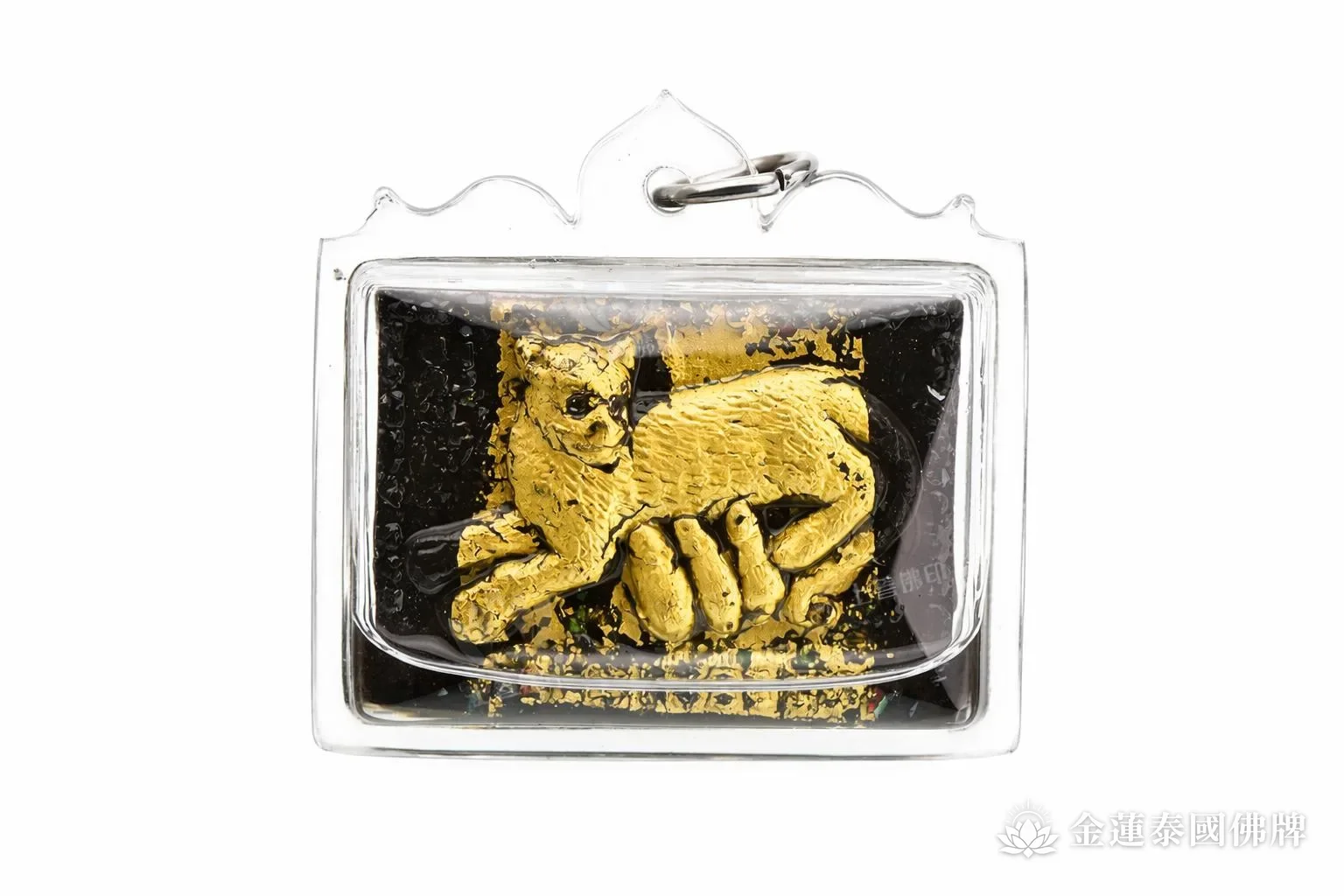 LP Tha (Roi Et) BE 2557 Third-batch Mouse Suckling a Cat (Sacred Powder with Gold Leaf, Eight Takrut in Back, Waterproof Case)US$75
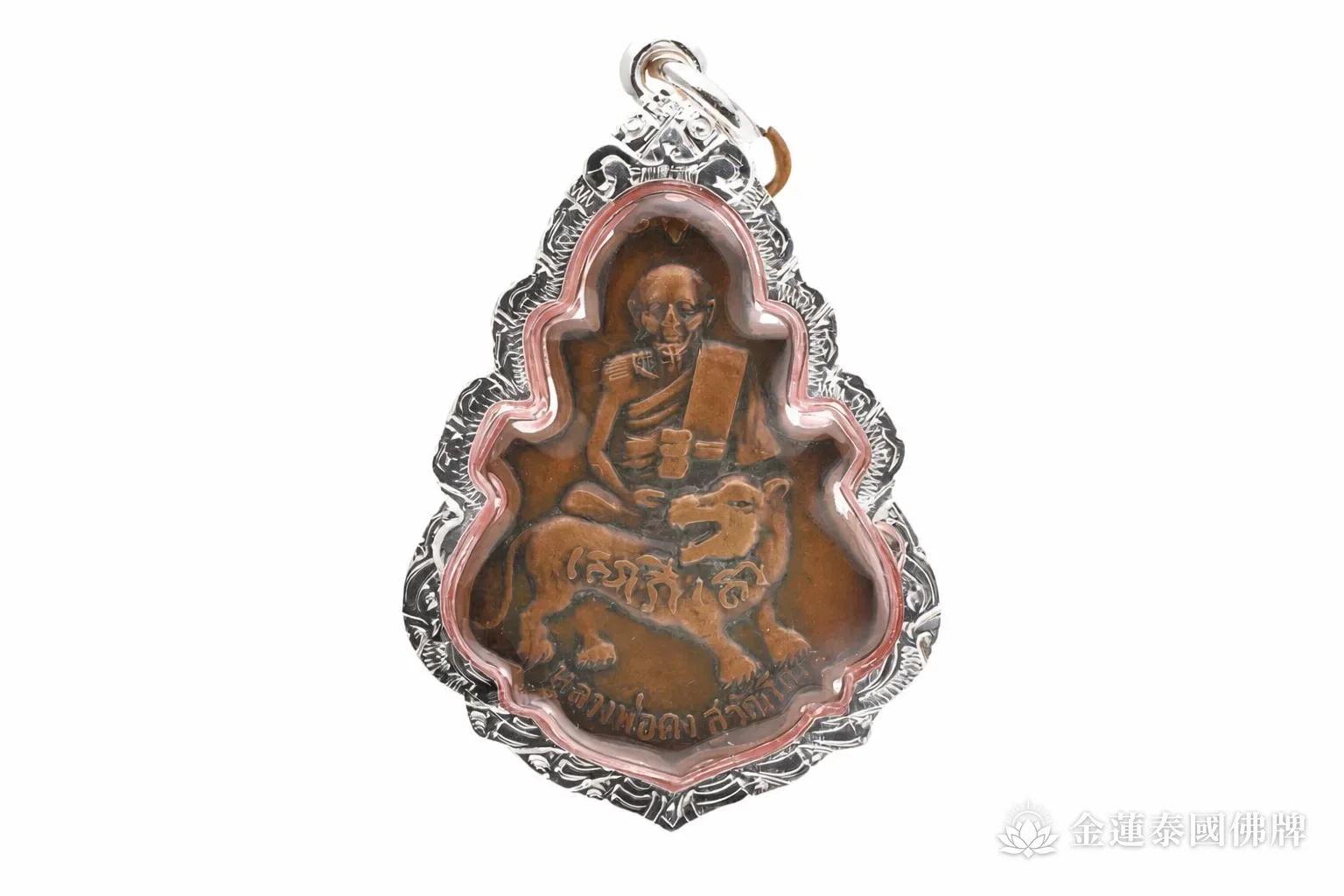 LP Khong BE 2517 First-batch Leaf-shaped Self-image on a Tiger Bai Sake (Red Copper Silver Case / Red Copper Gold Case / Gold-plated Gold Case, With Authentication Card)US$423
Visakha Bucha: full moon of the sixth Thai month
Usually in May, and the holiest Buddhist day in Thailand. Theravada Buddhists believe the Buddha’s birth, enlightenment and passing away all fell on the same full-moon day, so all three are commemorated together.
Many Thais wear white that day and go to the temple early to offer food to monks, hear sermons and keep the precepts. In the evening comes the most widely attended rite, “Wian Thian” (เวียนเทียน): holding incense, flowers and a candle, people walk clockwise three times round the ordination hall, once for the Buddha, once for the Dharma and once for the Sangha. The same is done on the evenings of Makha Bucha and Asanha Bucha.
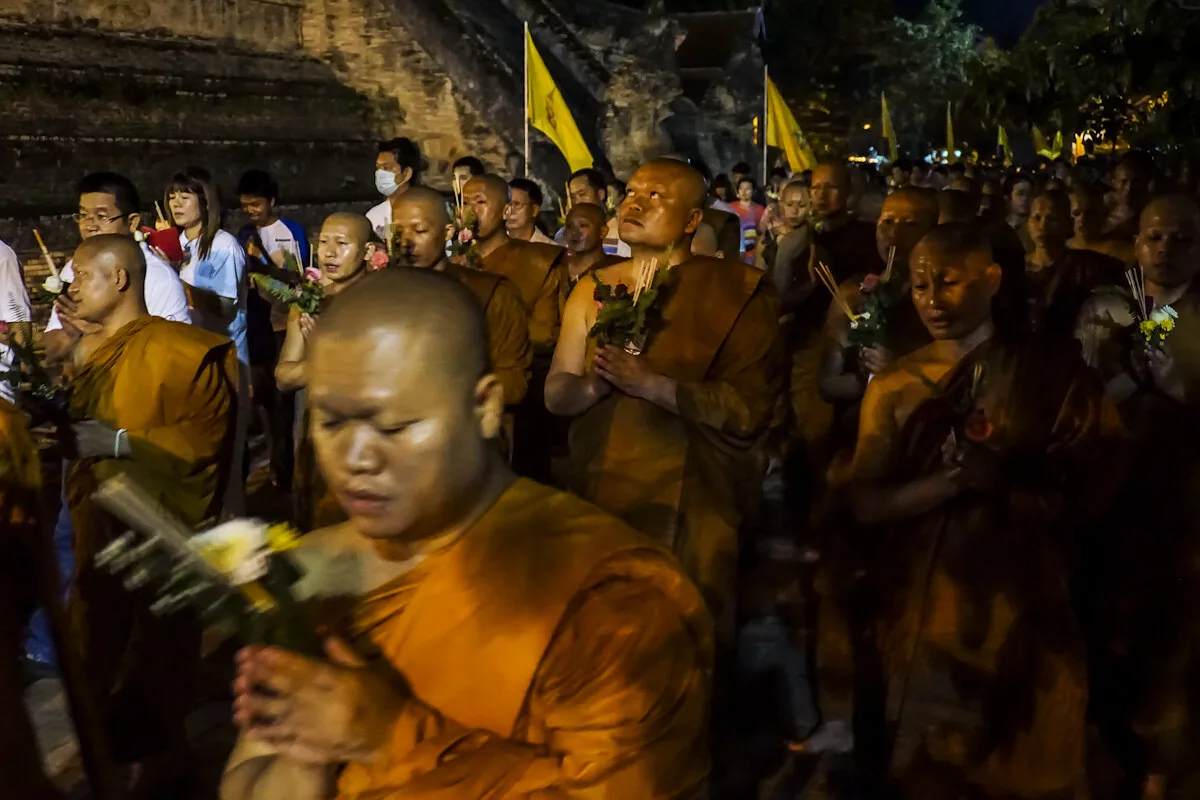
Visakha Bucha is also an international observance, and Thailand has hosted the International Vesak conference eleven times.
Asanha Bucha: full moon of the eighth Thai month
Usually in July, it commemorates the Buddha’s first sermon after his enlightenment. At the Deer Park he taught the Four Noble Truths to his five former companions, one of whom understood on the spot and was ordained as the first monk. From that day the Three Jewels, Buddha, Dharma and Sangha, were complete, so in Chinese it is also called the Three Jewels Day.
Khao Phansa: the day after Asanha Bucha
The day after Asanha Bucha begins the three-month rains retreat. Since the Buddha’s time, monks have stayed at one temple through the rainy season rather than travelling, traditionally so as not to trample farmland and small creatures. In these three months many monks meditate more intently.
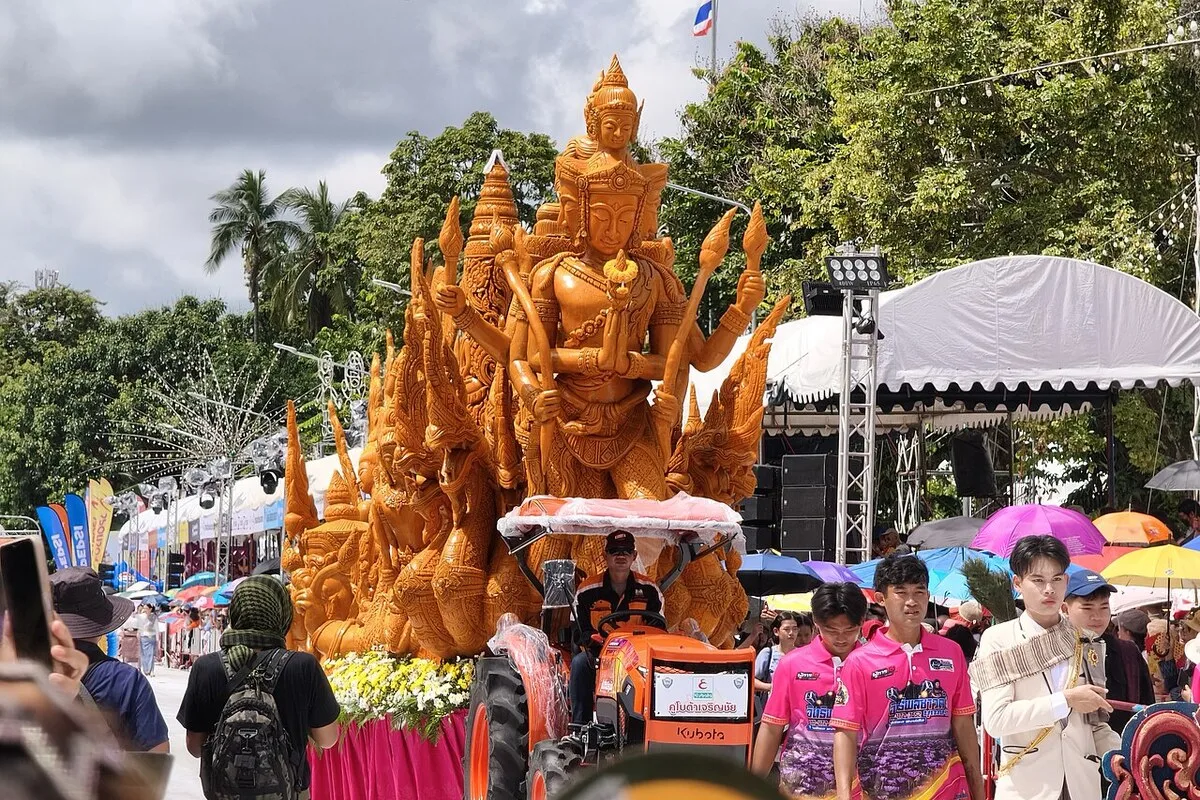
Around the start of the retreat, Thais go to temples to offer candles so the monks have light through the rainy season. In the northeast, Ubon Ratchathani has turned this into the country’s biggest candle festival: each temple and district makes a giant candle carved with figures from Buddhism and Indian myth, paraded on floats, and these candles are never lit. The one in the cover photo above is Buntharik district’s entry in the 2026 Ubon candle festival.
The rains retreat has to do with amulets too. A monk’s seniority is counted by how many rains retreats he has passed, called “พรรษา” in Thai, which is why monk introductions often mention “so many พรรษา as a monk”. Some sacred items were consecrated during the retreat, for example our LP Kalong BE 2549 roaring Kotchasi, part of a rains-retreat series. Many Thai men also choose this time to be ordained; see why Thai men all become monks once.
Ok Phansa: full moon of the eleventh Thai month
Usually in October, the three-month rains retreat ends. On this day monks gather and invite one another to point out their faults during the retreat.
The day after Ok Phansa, central Thailand holds “Tak Bat Thewo” (ตักบาตรเทโว): it is said that during the rains retreat the Buddha ascended to Tavatimsa heaven to teach his late mother, and returned to the human world on this day, so people line up early to offer food in welcome. In the south there is “Chak Phra” (ชักพระ), in which Buddha images are placed on decorated floats or boats and pulled in procession by devotees, the largest in Surat Thani, lasting nine days and nights with dragon boat races too.
The month after Ok Phansa is the time for “Thot Kathin” (ทอดกฐิน), when devotees offer new robes and daily necessities to temples in thanks for the monks’ practice during the rains. When the King sends a representative to offer robes, it is sometimes accompanied by a royal barge procession.
What to know if you visit Thailand on these days
On Makha Bucha, Visakha Bucha, Asanha Bucha, Khao Phansa and Ok Phansa, alcohol sales stop nationwide. Temples are crowded, and visitors are welcome to join the evening Wian Thian; just walk slowly with the crowd. For dress and etiquette, see Thai temple etiquette. For other Thai festivals, see Songkran and Loy Krathong.
FAQ
Why are the dates different every year?
These days are reckoned by full moons in the Thai lunar calendar, so their Western dates vary each year; check the year’s dates before you go.
Isn’t the Buddha’s birthday on the eighth day of the fourth lunar month?
That is the Chinese Buddhist custom. Thai Theravada Buddhism places the birth, enlightenment and passing on the same day, Visakha Bucha, which usually falls around the fifteenth day of the fourth Chinese lunar month.
Does it make a difference to get an amulet at a temple on these days?
There is no rule. Some people simply like to make merit and take sacred items at temples on Buddhist holy days, finding it especially meaningful.