Thailand’s two liveliest traditional festivals of the year, one in April and one in November, both have to do with water: April’s Songkran is the traditional Thai New Year, and November’s Loy Krathong is a festival of thanks to the rivers. Many people know only that one involves throwing water and the other floating lanterns, but both festivals are bound up with Buddhism and with everyday Thai life.
Songkran is the Thai New Year
Songkran (สงกรานต์) falls on 13 to 15 April each year. According to Thailand’s Ministry of Foreign Affairs, the word comes from the Sanskrit saṅkrānti, originally meaning the sun’s passage from one constellation into the next, not “new year” as such; the sun enters Aries at this time, and Thais took this as their traditional new year.
Today Songkran brings to mind water-gun battles in the streets, but the traditional festival is a gentle one. The traditional activities Thai newspapers list are mainly these:
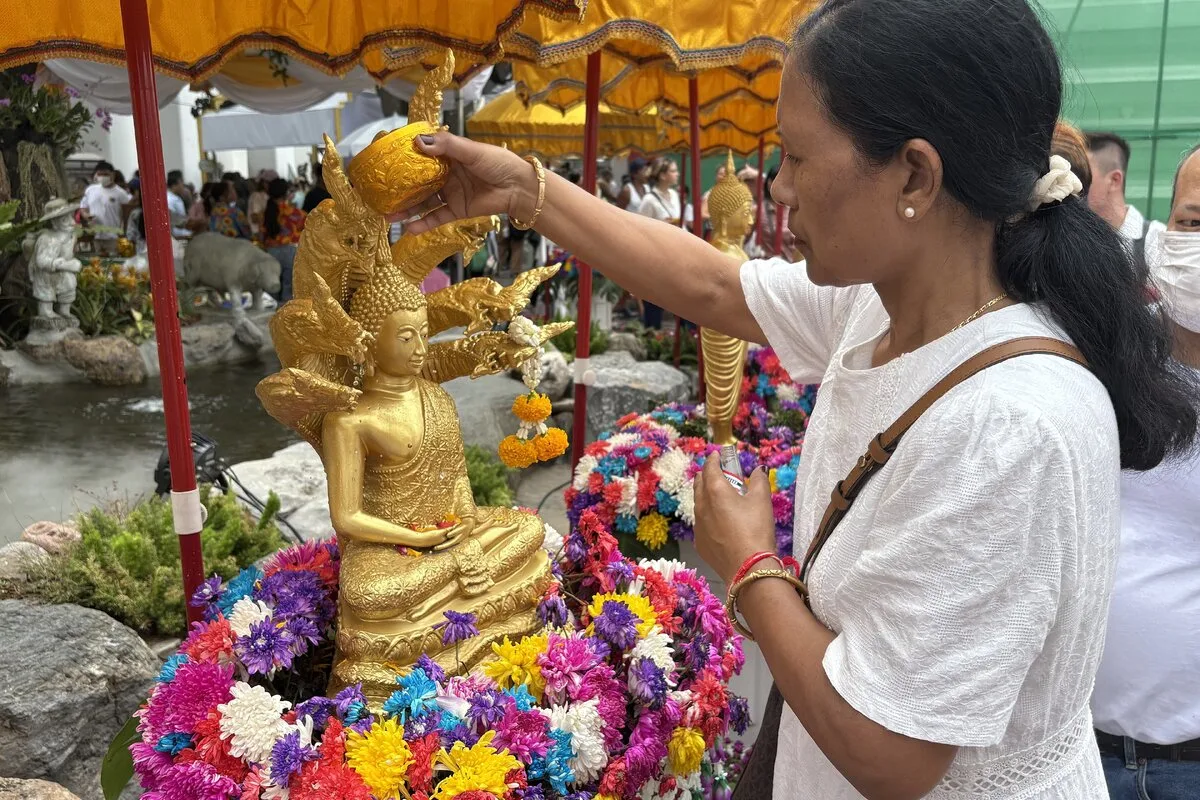
- going to the temple to give alms and hear sermons, and pouring scented water over Buddha images, called “bathing the Buddha” (สรงน้ำพระ), as in the photo above from Wat Pho;
- carrying sand into the temple (ขนทรายเข้าวัด), also a form of giving;
- pouring water over the elders of the family to ask their blessing, rot nam dam hua (รดน้ำดำหัว) in Thai. The term was originally northern; “ดำหัว” means washing the hair in the Lanna dialect.
On 6 December 2023, at a meeting in Kasane, Botswana, UNESCO inscribed “Songkran in Thailand” on the Representative List of the Intangible Cultural Heritage of Humanity. Thailand’s earlier inscriptions were Khon masked dance (2018), Thai massage (2019) and the southern Nora dance drama (2021).
Latest arrivals in our shop
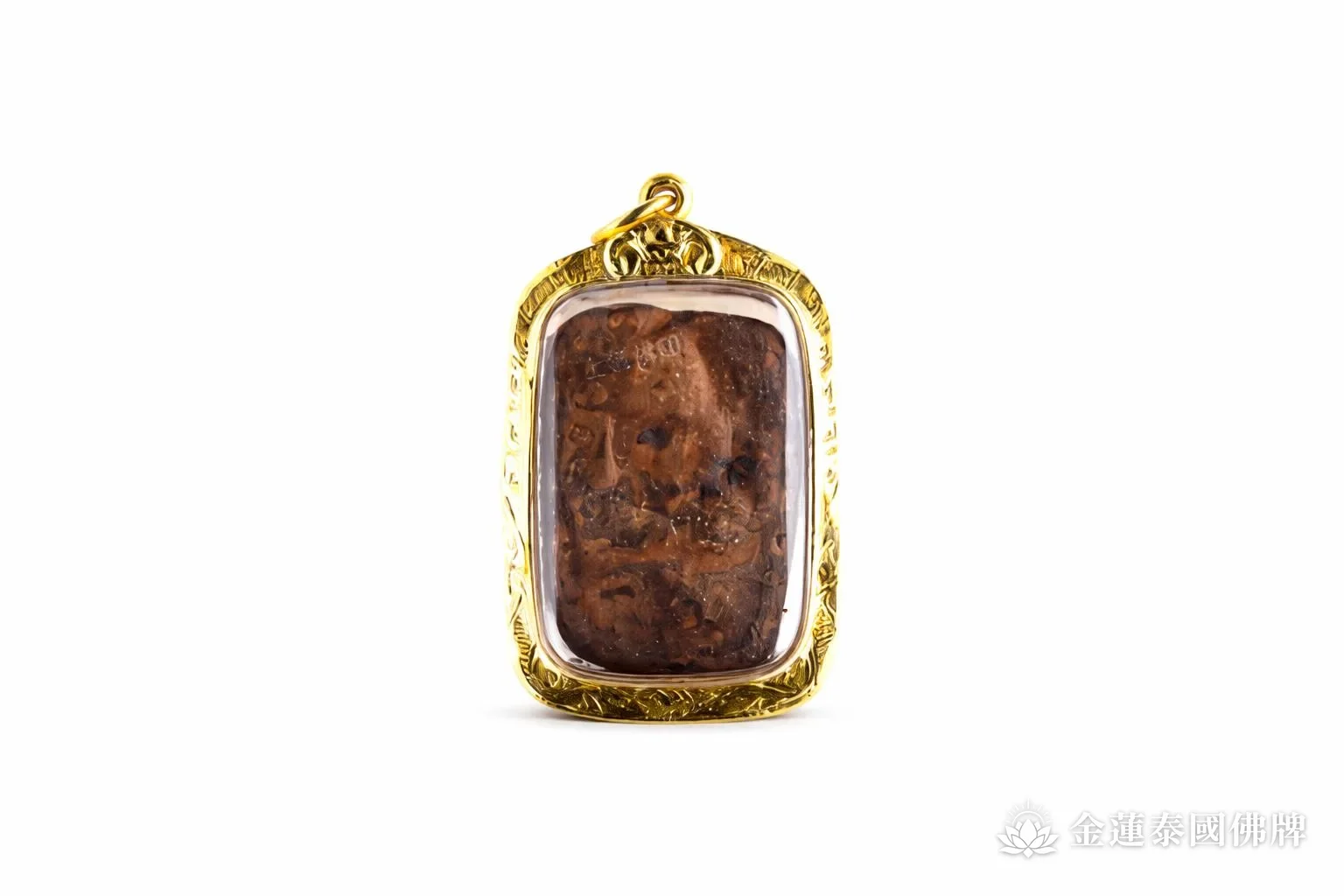 LP Parn BE 2460–2475 Sacred Animal Somdej "Fish Image" (Sacred Powder and Temple Clay, 80% Gold Case, With Authentication Card)US$1,135
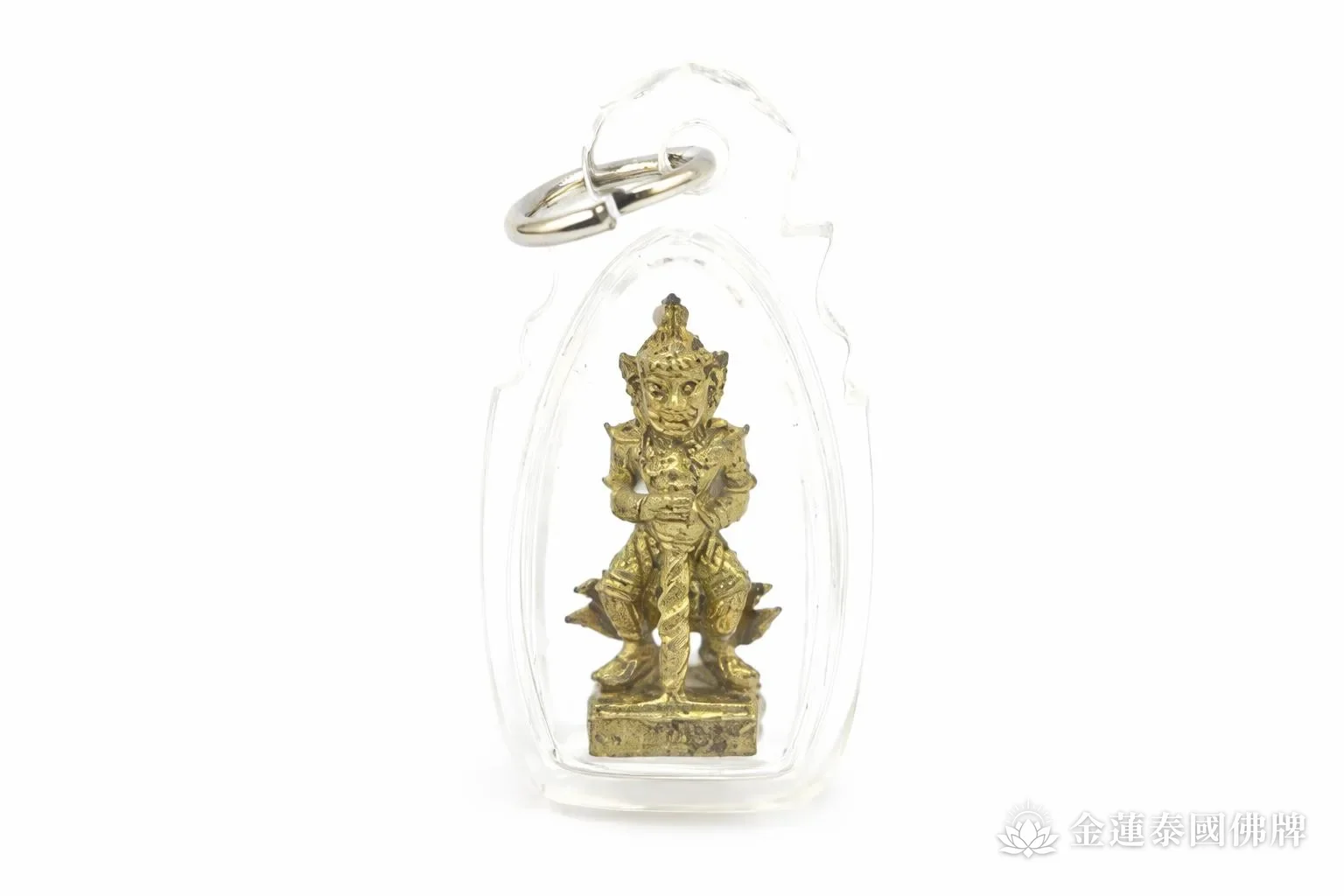 LP Kloy BE 2556 Thao Wessuwan Small Figure (Bronze, About 2.8 cm, Waterproof Case)US$49
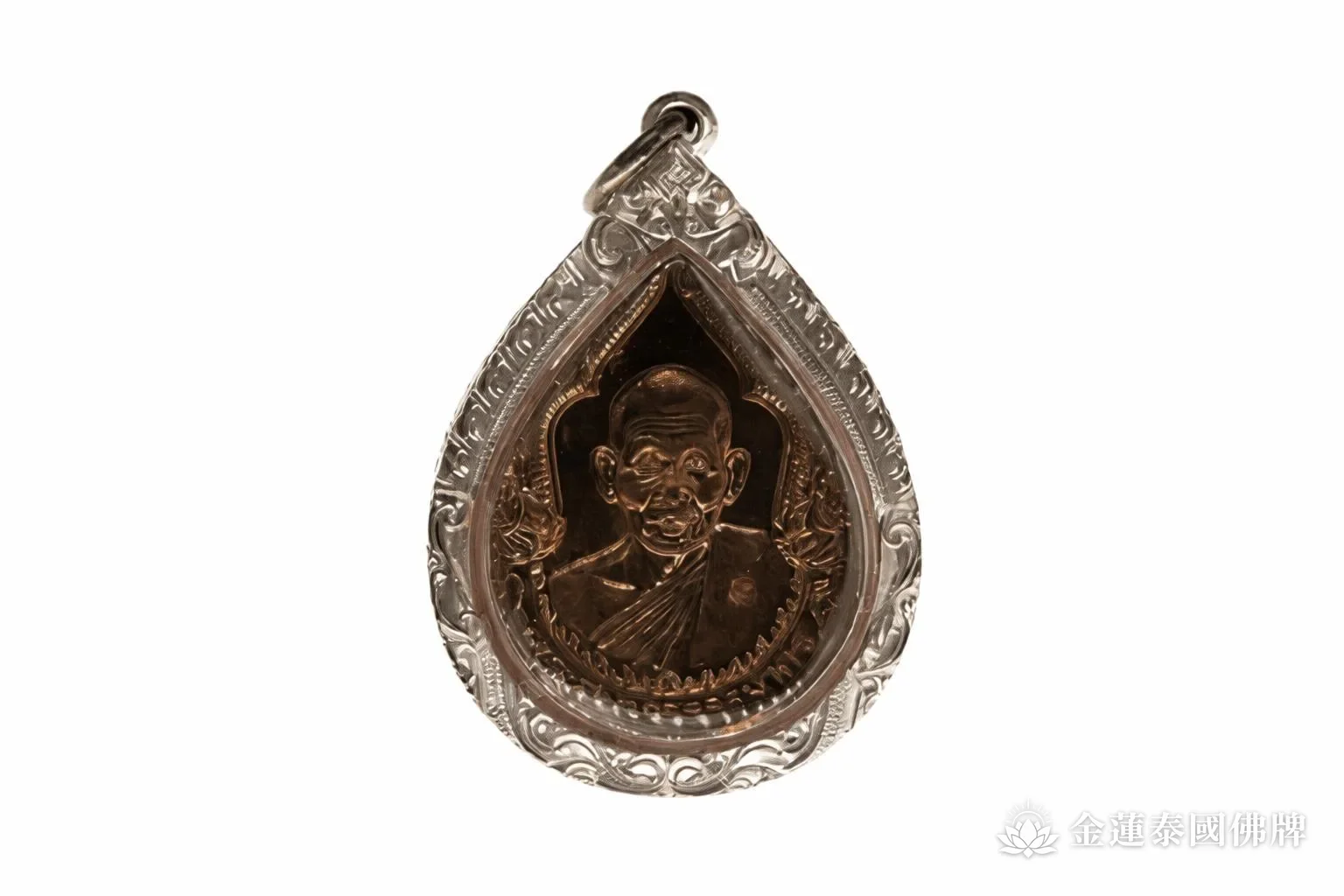 LP Kampan BE 2537 Birthday Commemorative Self-image, Teardrop (Silver, Copper and Gold Cast, Sterling Silver Case, With Authentication Card)US$152
Why lanterns are floated at Loy Krathong
Loy Krathong (ลอยกระทง) falls on the full-moon night of the twelfth Thai lunar month, usually in November. That night Thais set “krathong”, lotus-shaped floats made of banana trunk and banana leaves, onto the rivers, decorated with flowers, incense and candles.
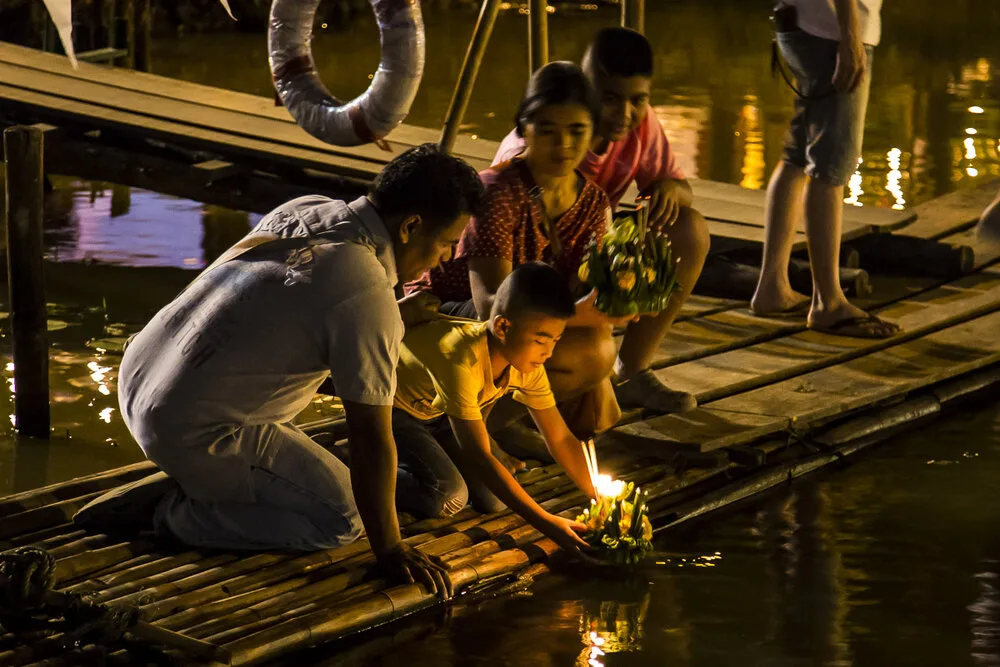
Floating a krathong is a way of thanking the water and the water spirits, and of apologising for using and polluting the rivers through the year. Thailand’s public broadcaster has explained that this idea of apologising to water and land goes back a long way in the region, with people placing offerings on anything that would float and letting it drift away.
Many people have heard that the first krathong was made by “นางนพมาศ” (Nang Noppamas), a lady of the Sukhothai court. But Silpa Watthanatham (Art and Culture) magazine points out that Prince Damrong concluded long ago that the book recording this story was written only in the early Bangkok period; it even mentions Westerners and cannons, which could not have existed in Sukhothai times. Better grounded is that by the Ayutthaya period there were already rites of lighting lamps on the water as offerings to the Buddha and the river spirits.
In Chiang Mai in the north, sky lanterns are released at the same time, filling the whole night sky with lights, a sight many people travel to Chiang Mai specially to see.
The two festivals and amulets
Both festivals are days when Thais go to the temple to make merit, and temples are crowded. If you plan to visit Thailand during the festivals to pay respects or find an amulet, read Thai temple etiquette before you go; chants commonly recited while bathing the Buddha are collected in Chants and Mantras; and to pay respects to the Buddha of the day you were born, see the birthday Buddhas. How to arrange a home altar properly is covered in a section of the worship guide.
FAQ
What should I watch out for visiting Thailand at Songkran?
You will get soaked in the streets, so keep your phone and amulets in a waterproof bag. Don’t throw water at monks.
What can a krathong be made of?
Traditionally banana trunk and banana leaves; in recent years some people use other biodegradable materials to avoid polluting the waterways. Best not to use styrofoam krathong.
Can I join the water fights wearing amulets?
Yes. Amulets in waterproof cases don’t mind water, but put away any uncased powder amulets first.