
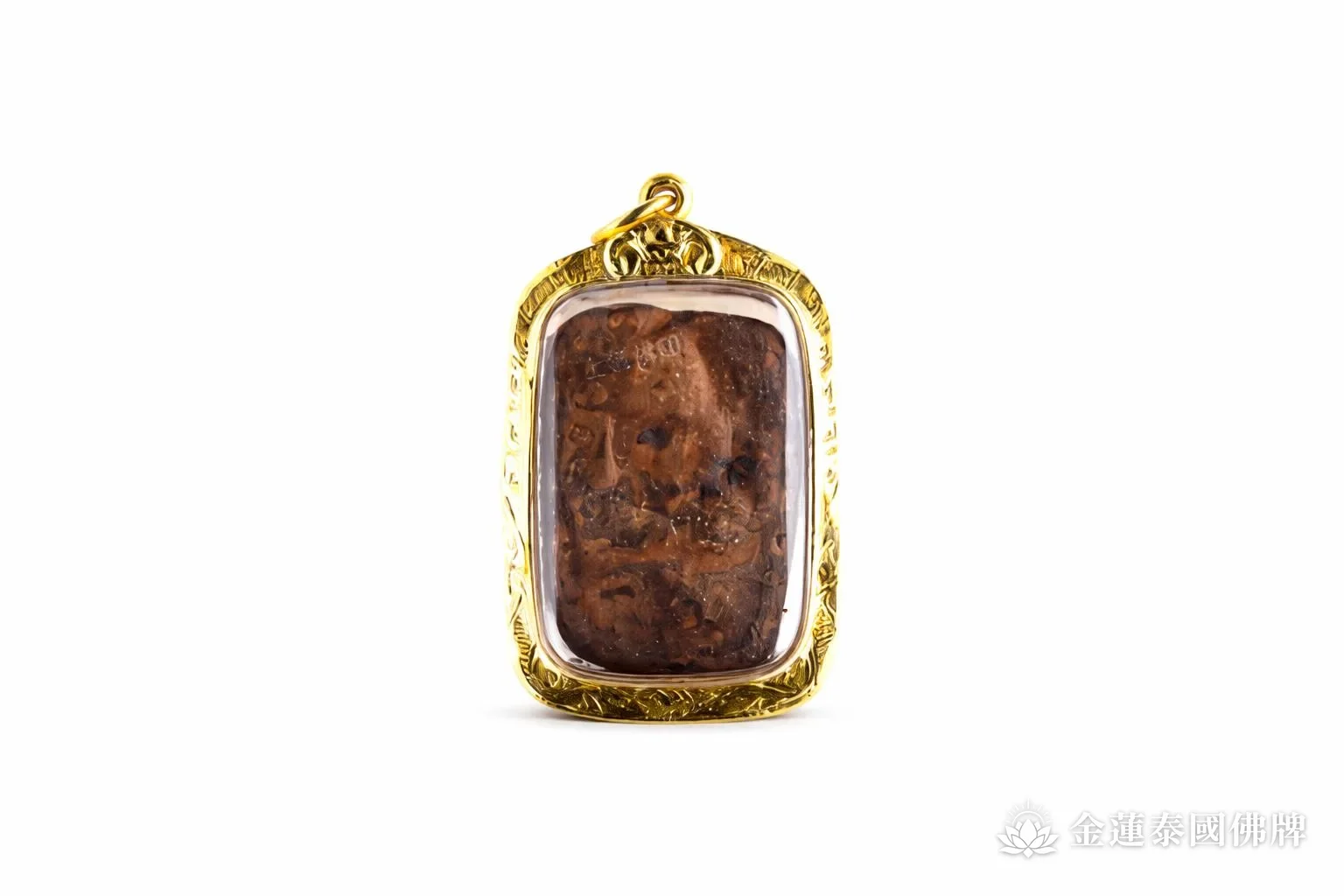
A sacred animal Somdej made by LP Parn (Luang Phor Parn, หลวงพ่อปาน) of Wat Bang Nom Kho, Ayutthaya, around BE 2460 to 2475, with a fish beneath the seat, called the “fish image”. Sacred powder, temple clay and scripture powder, about 3 cm tall, in an 80% gold waterproof case, with authentication card.
Details
| Monk | LP Parn (Luang Phor Parn Sonanto, หลวงพ่อปาน โสนนฺโท) |
|---|---|
| Temple | Wat Bang Nom Kho (วัดบางนมโค), Sena district, Ayutthaya |
| Name | Sacred animal Somdej, “fish image” |
| Year | About BE 2460–2475 (1917–1932), issued in the monk’s lifetime; the source page’s details give about 2460–2480 |
| Material | Sacred powder, temple clay, scripture powder |
| Size | About 3 cm tall |
| Case | 80% gold waterproof case |
| Authentication | With authentication card (for how to check it, see What is an amulet authentication card?) |
| Benefits | Helping wealth and career, changing luck, blocking troublemakers, warding off evil, smooth fortunes, attracting goodwill |
| Price | US$1,135 (with authentication card) |
More amulets from the same monk? See the LP Parn profile (2 amulets) ›
Front and back
A small rectangular powder amulet, reddish brown, its surface worn very soft over a century, showing fine sand, small pits and a few dark spots. On the front a Buddha sits on a base, his outline now very faint, with the fish beneath the seat; a few shallow engraved characters at the upper left. The back is flat, a light brown face of fine dense texture, with a small dark pit a little left of centre. In an 80% gold waterproof case, the gold frame on the front engraved all over with scrollwork, with a flower-shaped loop at the top.
LP Parn’s sacred animal Somdej
According to the seller, LP Parn made three batches of sacred animal amulets: the first from about 2450, with moulds carved in wood by villagers and a rough look; the second around 2460, with moulds cut by an engraver and clear lines; and the third between 2460 and 2475, divided into early and late, told apart by whether there’s one line or two lines of scripture beside the Buddha’s head, with a small hole at the top packed with the monk’s scripture powder. There are six sacred animals, said to have been made one a day over six days: Hanuman, the garuda, the rooster, the porcupine, the bird and the fish, the fish being the sixth day. The seller adds that the scripture powder at the top was a mix of three specially made powders, one taught to the monk by a white-haired old man during meditation, which he passed on to no disciple. This is the seller’s account, which we list as given.
The Thai amulet authentication body ACI records a saying among collectors, “the fish does business”, meaning the fish mould helps business; ACI also says this is a collectors’ saying, and LP Parn himself never spoke of differences between the moulds. For the monk’s life, see the LP Parn profile; we also have the third-batch “rooster” from the same series. For the background of Somdej, see the Phra Somdej section. Every item in our shop comes with a permanent authenticity guarantee.
Frequently asked questions
Is this from LP Parn’s lifetime?
Yes. The monk passed away in BE 2481, and this batch was made between 2460 and 2475, more than ninety years ago.
Which of the six sacred animals should I choose?
According to collectors, the fish mould helps business, the rooster goodwill and making a living, the garuda authority, and Hanuman public office; the benefits on the source page are helping wealth and career, changing luck, blocking troublemakers, warding off evil, smooth fortunes and attracting goodwill. Choose the one you need most.
Is LP Parn the same as LP Parn of Wat Bang Hia?
No. This is Luang Phor Parn of Wat Bang Nom Kho, Ayutthaya; Wat Bang Hia in Samut Prakan also has an LP Parn, known for tiger fangs and tiger kings, who is a different monk.
What’s the authentication card for?
The card carries a photo and number for this piece, which you can check on the issuing body’s website; see What is an amulet authentication card?
More Phra Somdej in our shop
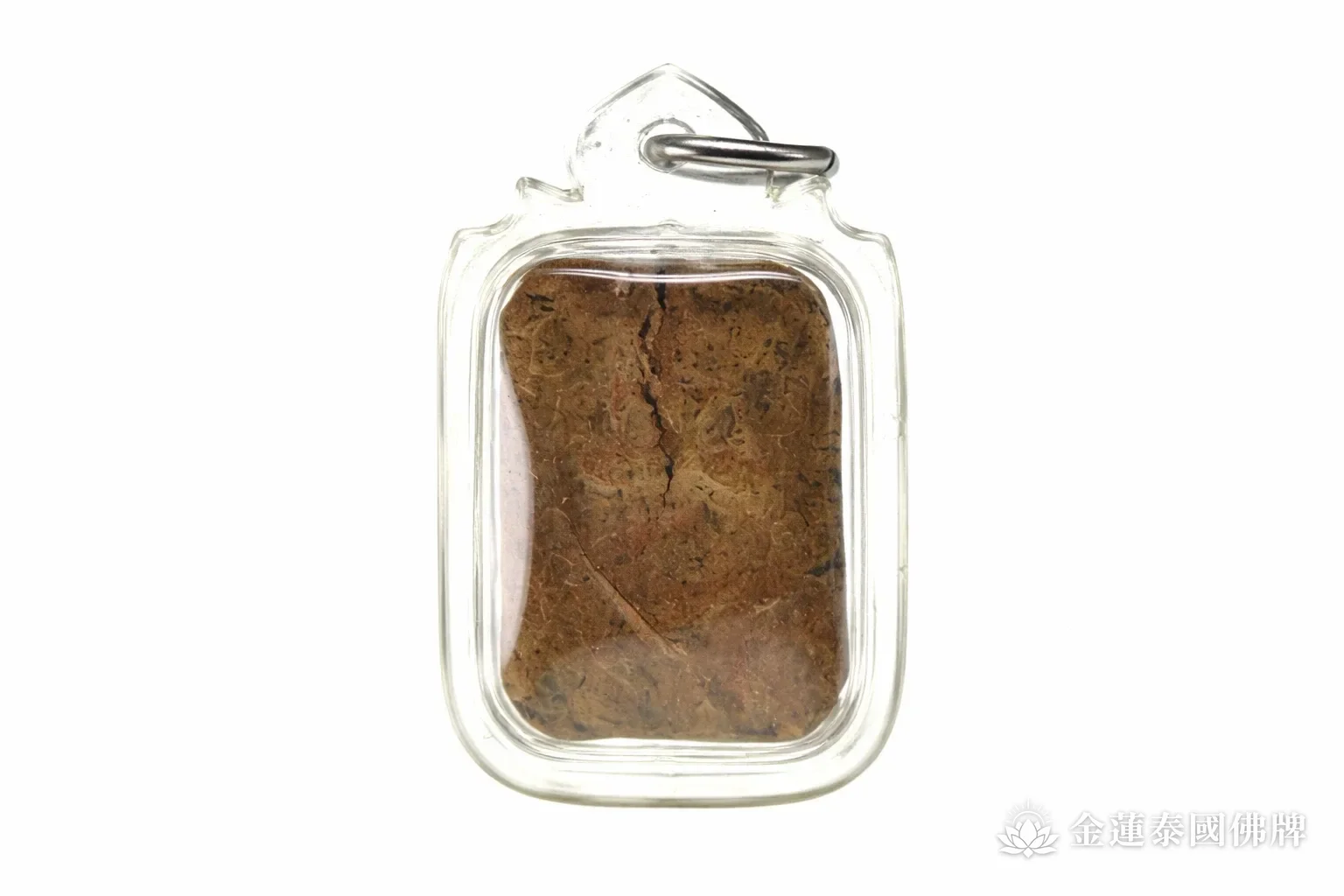 Ruesi Lingdam BE 2496–2527 Sacred Animal Somdej (Sacred Powder, Waterproof Case, With Authentication Card)US$268
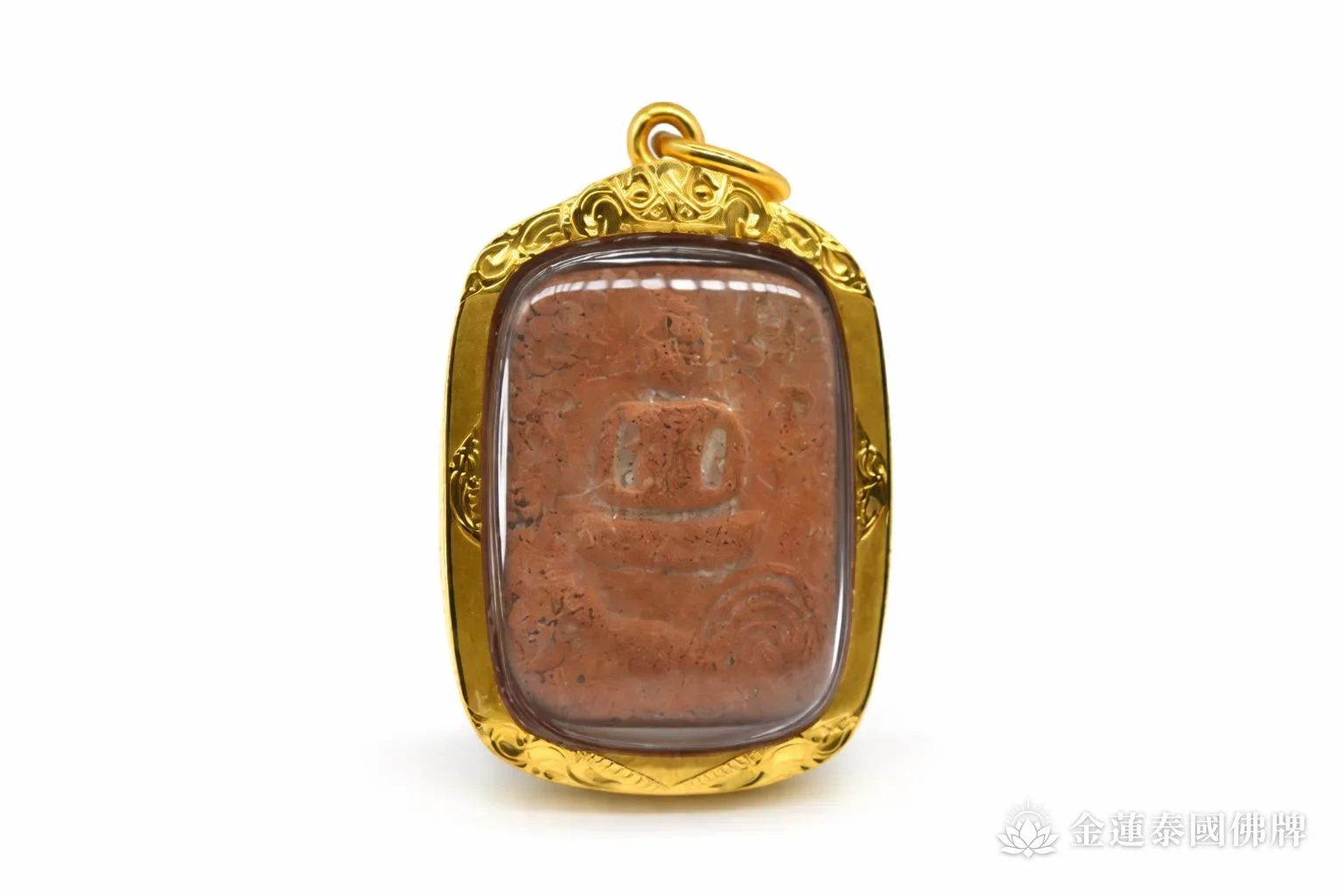 LP Mui BE 2508 Sacred Animal Somdej "Five-tailed Rooster" (Sacred Powder and Temple Clay, 70% Gold Case, With Authentication Card)US$462
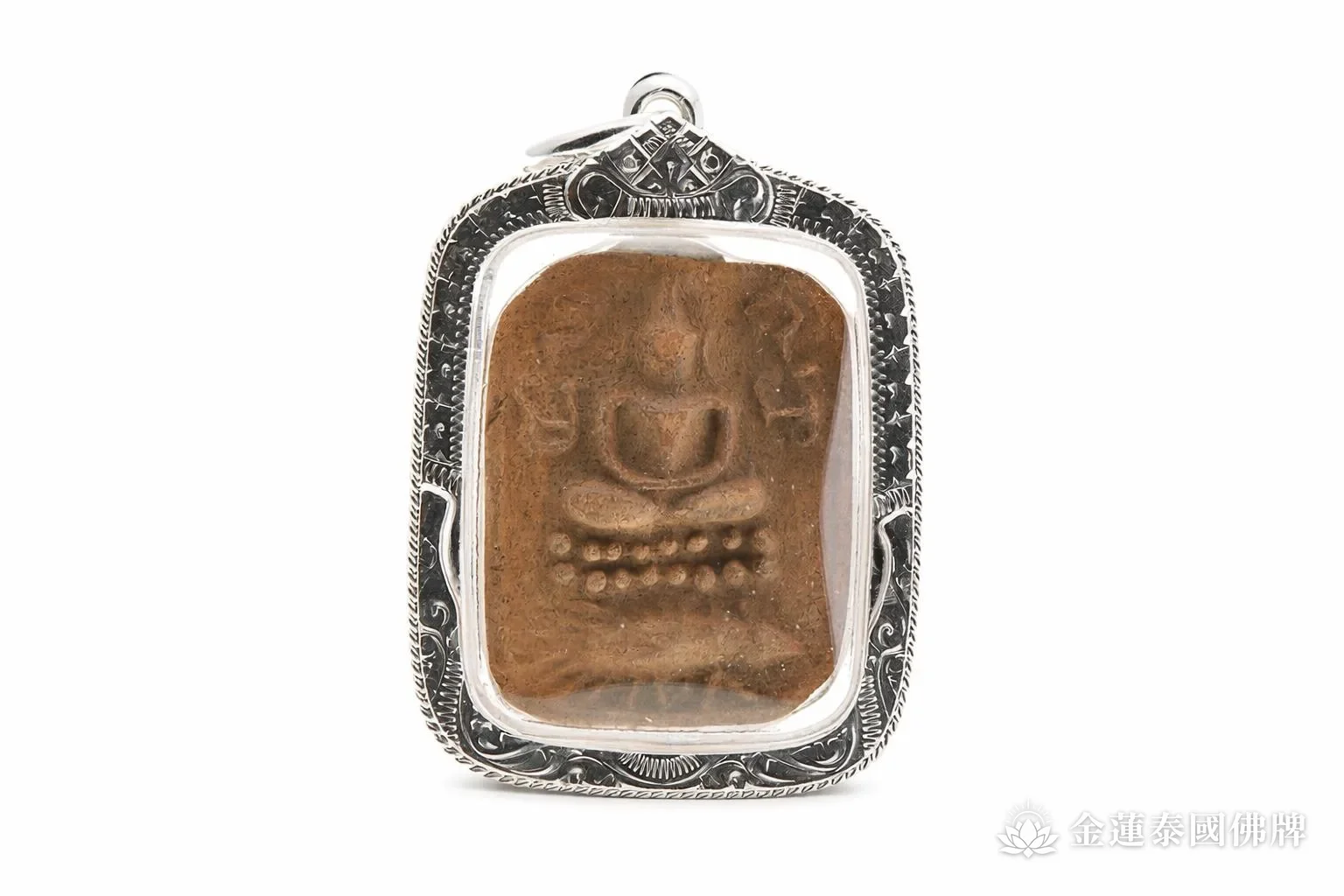 LP Mui BE 2508 Sacred Animal Somdej, Seated Hedgehog Mould Phim Song Men (Kiln-fired Sacred Earth, Sterling Silver Case, With Authentication Card)US$281