LP Parn
LP Parn (หลวงพ่อปาน), third abbot of Wat Bang Nom Kho, Ayutthaya, BE 2418–2481, known for sacred animal Somdej and the Kraphet protective yant cloth. His life, teachers and our items.
LP Parn (Luang Phor Parn Sonanto, หลวงพ่อปาน โสนนฺโท): profile
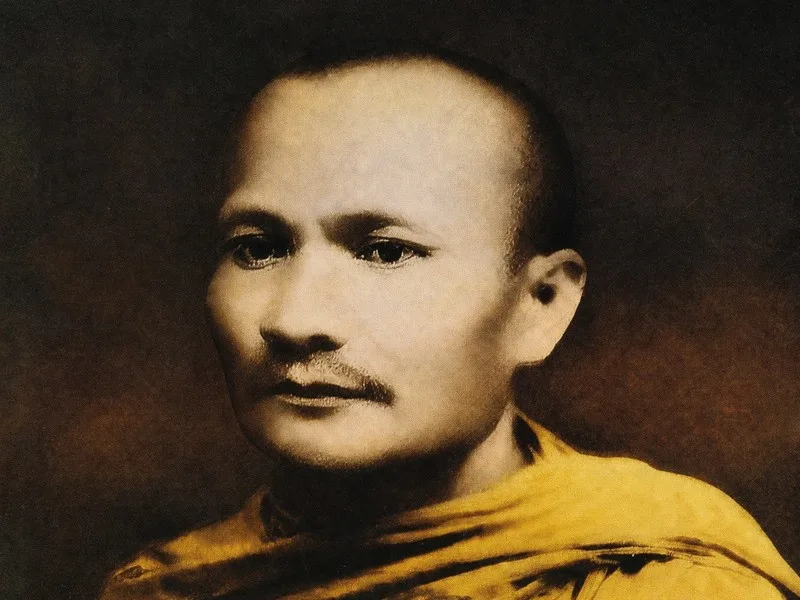
LP Parn, often written LP Parn or LP Pan in English, was the late abbot of Wat Bang Nom Kho (วัดบางนมโค) in Sena district, Ayutthaya, central Thailand, with the title Phra Khru Wihan Kitchanukan. Born in BE 2418, he passed away in BE 2481, and is best known for fired clay amulets with sacred animal mounts beneath the Buddha, and for the protective yant cloth "Kraphet".
| Thai name | หลวงพ่อปาน โสนนฺโท (พระครูวิหารกิจจานุการ) |
|---|---|
| Lay name | ปาน สุทธาวงศ์ (Parn Sutthawong) |
| Born | 16 July BE 2418 (1875), Bang Nom Kho, Sena district, Ayutthaya |
| Ordination | BE 2439, at Wat Bang Nom Kho; preceptor LP Sun of Wat Bang Pla Mo |
| Temple | Wat Bang Nom Kho, Ayutthaya; third abbot |
| Passed away | 26 July BE 2481, aged 63, after 42 years as a monk |
| Best-known items | Sacred animal Somdej (fired clay amulets), protective yant cloth "Kraphet" |
His life
The following is from Thai Wikipedia. LP Parn was a native of Bang Nom Kho; after ordaining he first practised under his preceptor LP Sun, then studied scripture at Wat Saket and Wat Chao Chet Nai in Bangkok, learned traditional medicine at Wat Sangwet, and studied magic with LP Niam and LP Nong of Wat Khlong Madan. He learned to make clay amulets from a white-robed practitioner, and blessing amulets and writing the "Kraphet" protective yant cloth from Ajarn Chaeng of Sawankhalok.
Back at Wat Bang Nom Kho, every day after lunch he attended to villagers' needs, making holy water to treat the sick and undoing black magic for those afflicted. On 6 November BE 2474 he received the title Phra Khru Wihan Kitchanukan, and from 2478 was abbot until his death in 2481. The fired clay amulets, yant cloths and chants he left were carried on by disciples including LP Lek.
Where the name "Parn" comes from
A 2017 article on the Thai news site TNews and information from the Thai amulet authentication body ACI both say his parents were At and Im Sutthawong, with seven children. He had a red birthmark from base to tip of the little finger of his left hand, called "ปาน" (parn) in Thai, and his parents named him after it.
Both sources give his ordination at 21 as 1 April BE 2438 (1895), with Ajarn Joi of Wat Ban Phaen as kammavacacariya and Ajarn Un of Wat Suthaphot as anusavanacariya; the table above, following Thai Wikipedia, gives 2439, and we list both. The article also says he learned yant-writing from a Chinese ajarn at Wat Chao Chet, and the "Pacceka Bodhi" chant from Khru Phueng; and that Phra Ratchaphrommayan, abbot of Wat Tha Sung, who wrote under the name "Ruesi Lingdam" (the black monkey hermit), was his disciple.
Six sacred animals, each with its purpose
ACI records a saying among collectors: "the bird for ploughing, the chicken for finding food, the porcupine for mountain travel, the fish for trade, the Garuda for power, Hanuman for office." That is, each of the six sacred animals beneath his clay amulets has its purpose: the bird mould for farming, the chicken mould for popularity and making a living, the porcupine mould for travelling mountain roads, the fish mould for business, the Garuda mould for authority, and the Hanuman mould for public office. ACI also notes that LP Parn himself never explained the difference between the moulds; this is what collectors say.
Is LP Parn the same as LP Pan?
Yes. The Thai ปาน is spelled Parn or Pan in English, and Hong Kong sellers use a couple of Cantonese renderings. Note that Wat Bang Hia (now Wat Mongkhon Khothawat) in Samut Prakan also has a very famous LP Parn, known for tiger fangs and tiger kings, who is a different monk.