The amulets in our Khun Paen section take their name from the Thai household tale Khun Chang Khun Phaen. Many people assume a Khun Paen amulet shows the general himself, but the earliest old Khun Paen in fact carry a Buddha, and the name “Khun Paen” was given later. This piece covers who Khun Paen is, how Khun Paen amulets got their name, and the Phrai Kuman Khun Paen most sought after today.
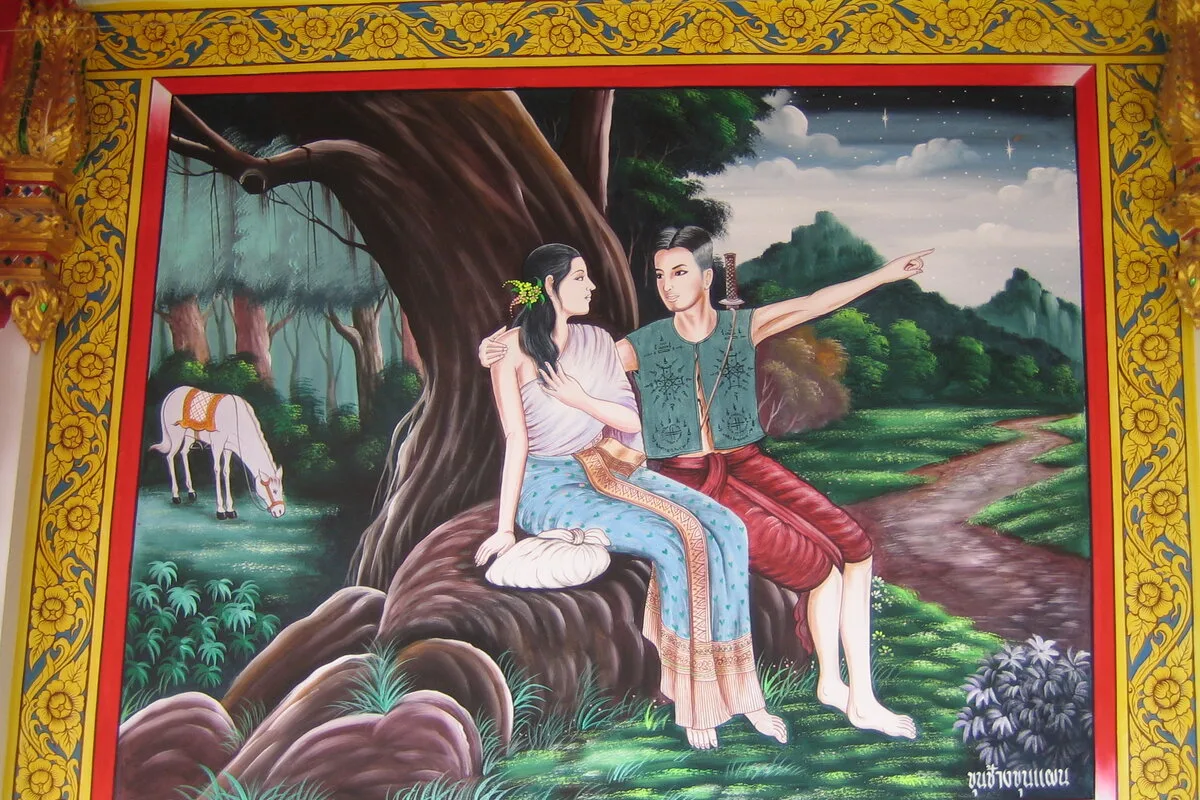
Who Khun Phaen is
Khun Chang Khun Phaen (ขุนช้างขุนแผน) is one of Thailand’s best-known classic tales. Its hero Khun Phaen, originally named Phlai Kaeo (พลายแก้ว), is skilled in both arms and letters, a master of magic and handsome too, much loved by women; the story revolves around him, the rich but ugly Khun Chang, and the beautiful Wanthong. The mural above shows Khun Phaen and Wanthong, at Khao Phra in U Thong district, Suphan Buri.
Thailand’s Thaipost explains that the story is generally thought to have circulated from the middle Ayutthaya period, passed on by word of mouth by storytellers, and no original manuscript survived the fall of Ayutthaya in 1767. The version read today was written by King Rama II and court poets in the Sepha (เสภา) verse form for sung recitation, based on episodes older people remembered; later the literary society of King Rama VI’s reign held it up as the finest of the Sepha. Prince Damrong, editing the work, concluded that the king in the story, Phra Phanwasa, was King Ramathibodi II of Ayutthaya.
The story is set mainly in Suphan Buri and Kanchanaburi. The legend of Kuman Thong also comes from this tale; see where Kuman Thong comes from.
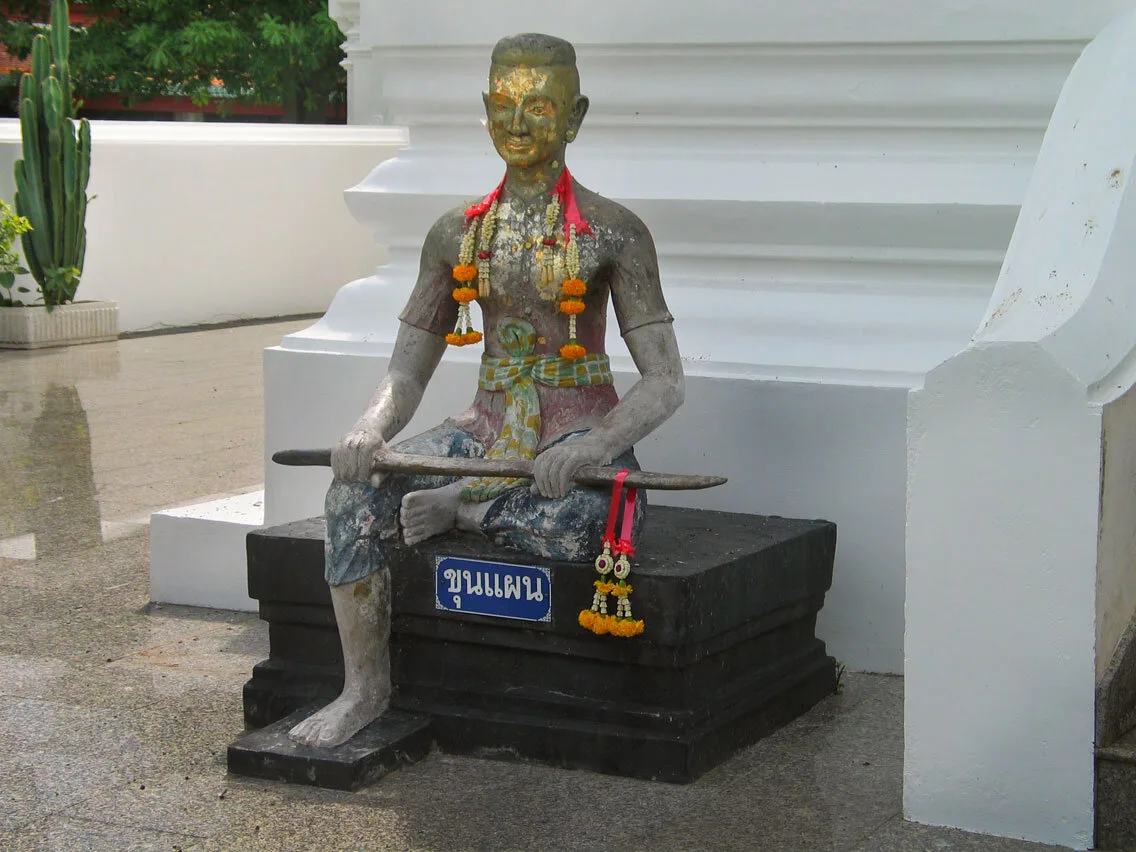
Khun Paen in our shop
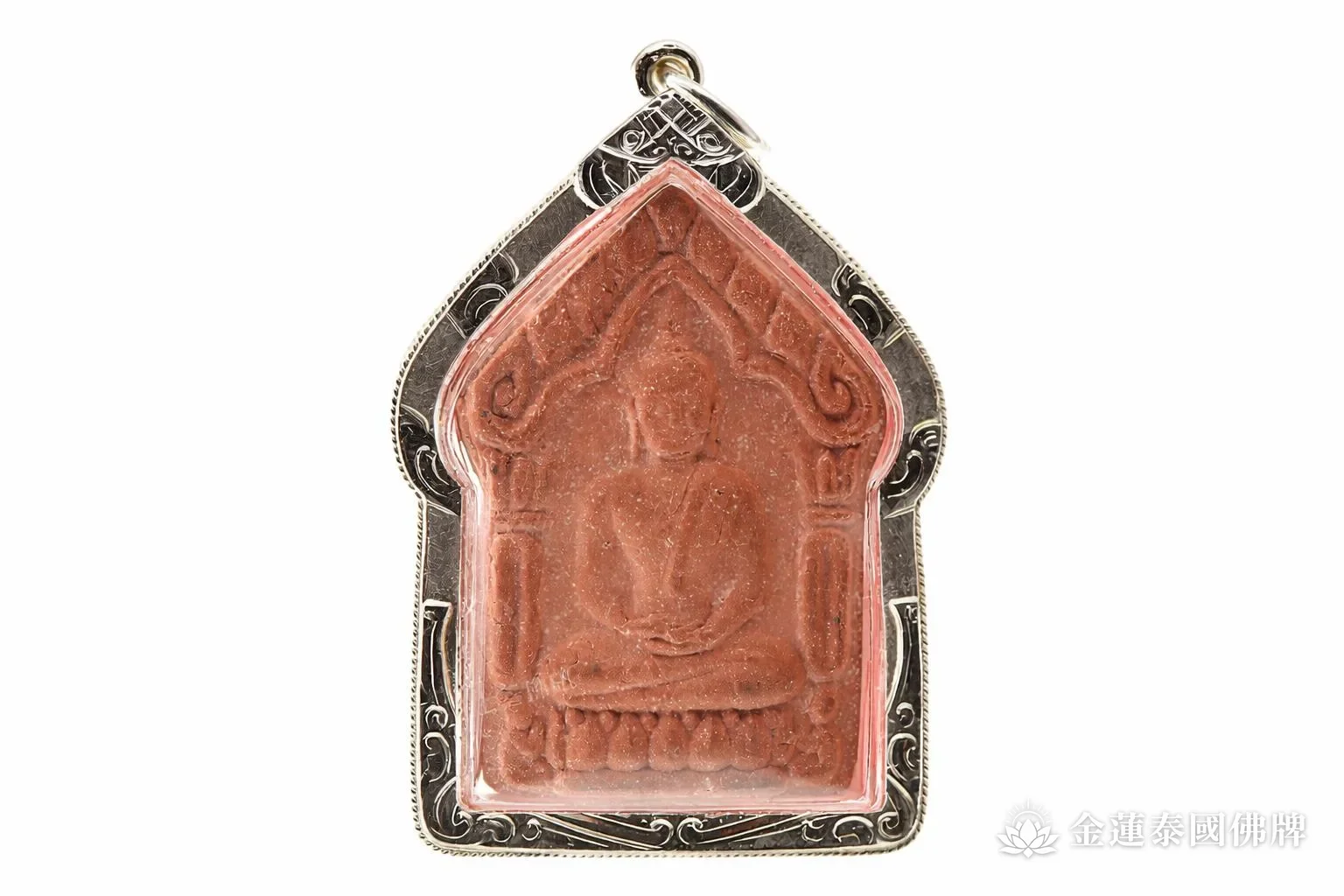 Phor Than Khiao BE 2558 Phrai Kuman Khun Paen, Wai Khru Batch, Wat Huai Ngo (Waterproof / Sterling Silver Case, Silver Version With Authentication Card)US$88
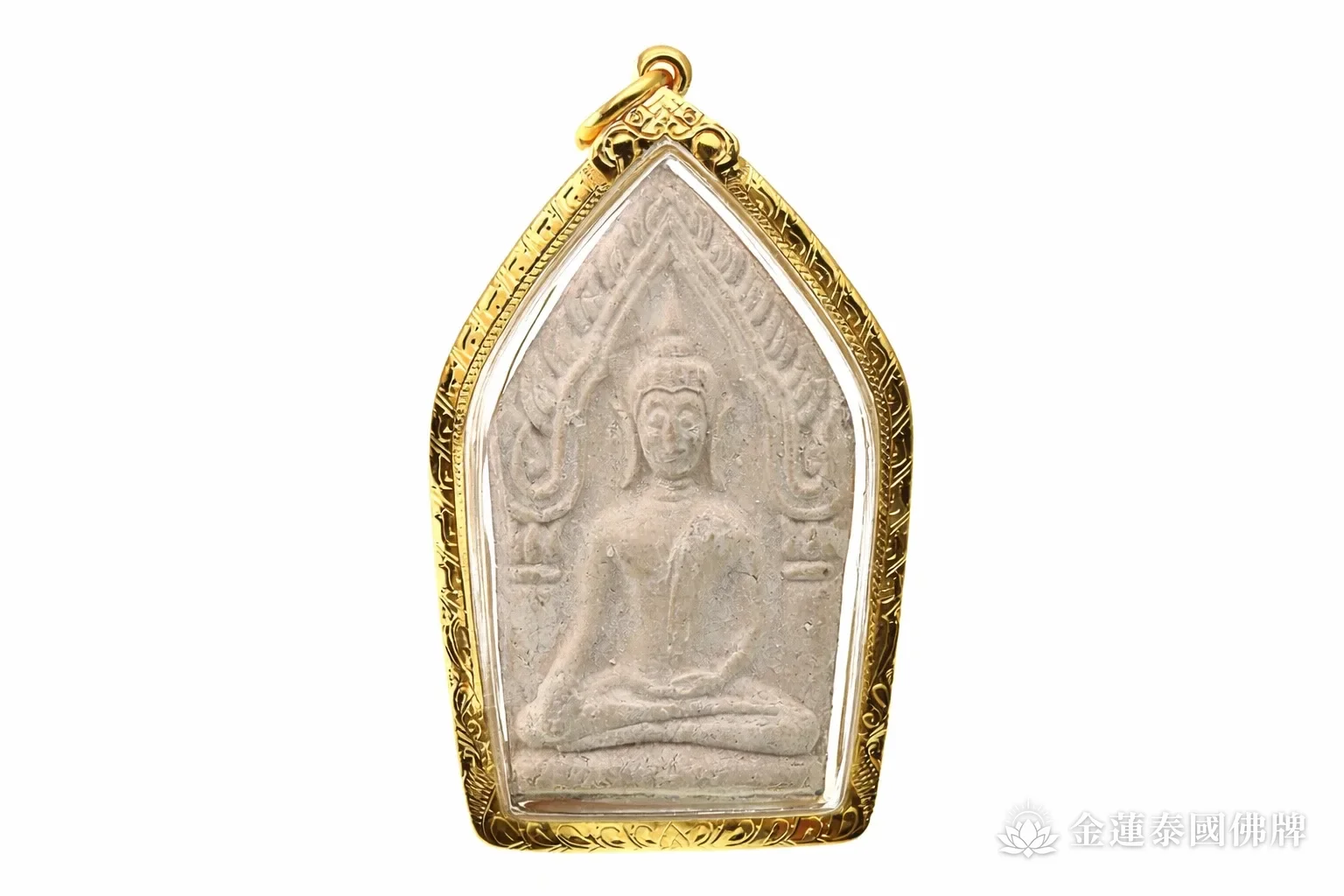 LP Choo (Wat Hin Lek Fai) BE 2528 First-batch Khun Paen "Kua Phoh", Large Mould (Sacred Powder, 80% Gold Case, With Authentication Card)US$823
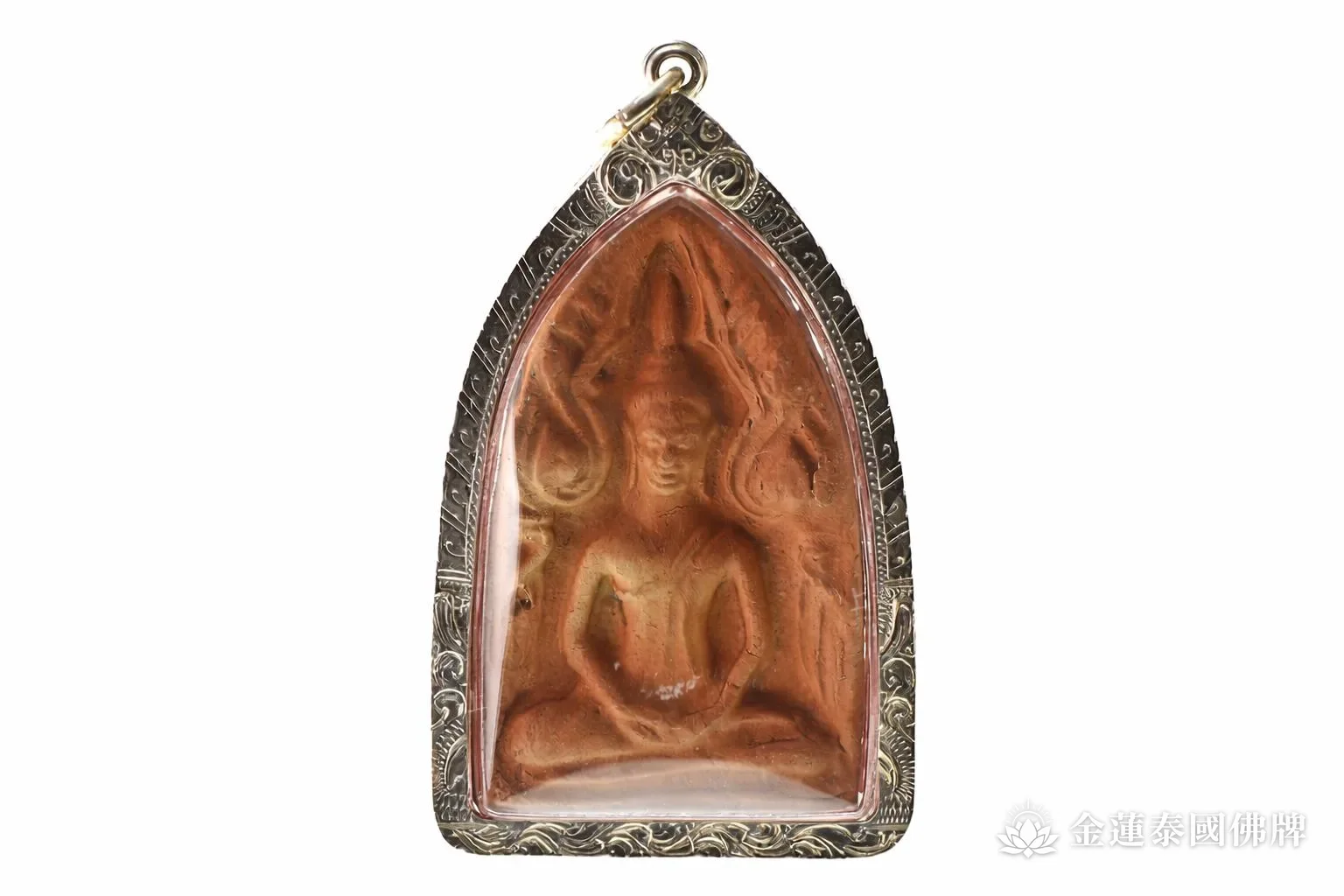 LP Mui BE 2508 Clay Khun Paen, Wat Nong Rong Issue (Temple Earth and Scripture Powder, Sterling Silver Case, With Authentication Card)US$152
How Khun Paen amulets got their name
An amulet column in Thailand’s Khaosod has written that young Thai men used to love wearing Khun Paen amulets, because Khun Phaen in the story was loved by all, powerful in magic and invulnerable, and everyone wanted a share of his charm.
When it comes to old Khun Paen, the ones most often mentioned are those of Wat Phra Rup in Suphan Buri, which Thais name by their shape “ไข่ผ่า” (halved egg) or “แตงกวาผ่า” (halved cucumber). According to the column, these amulets were found around BE 2446 (1903), not from inside a stupa but scattered on the ground in the temple, thought to have come from one of its collapsed stupas. All are fired clay with domed backs.
Interestingly, the find included several moulds, all named by Thais after characters from Khun Chang Khun Phaen: Khun Paen, his father Khun Krai, Kuman Thong, his son Phlai Ngam, and the king Phra Phanwasa. The columnist suggests the lotus base of the Khun Paen mould looks like a child lying down, which brought to mind the story’s Kuman Thong and so Khun Phaen, and the name stuck. The Khun Paen of Wat Ban Krang, also in Suphan Buri, are likewise old amulets well known to collectors.
The Phrai Kuman Khun Paen of LP Tim’s lineage
The modern Khun Paen most sought after today are those LP Tim of Wat Lahan Rai, Rayong, made with Phrai Kuman powder (Phong Phrai Kuman). His Phrai Kuman items are concentrated in his last years, BE 2516 to 2518, and collectors agree the batch issued in 2517 is the best; in October 2518 the monk passed away. Because they are so famous there are many copies on the market, so it is best to choose one with an authentication card. Also be aware that several 2023 Thairath reports, quoting LP Tim’s disciples, say Phrai Kuman powder contains yin materials, including the remains of a stillborn infant, oil from cremation and fragments of skull, so by the usual classification Phrai Kuman Khun Paen count as yin.
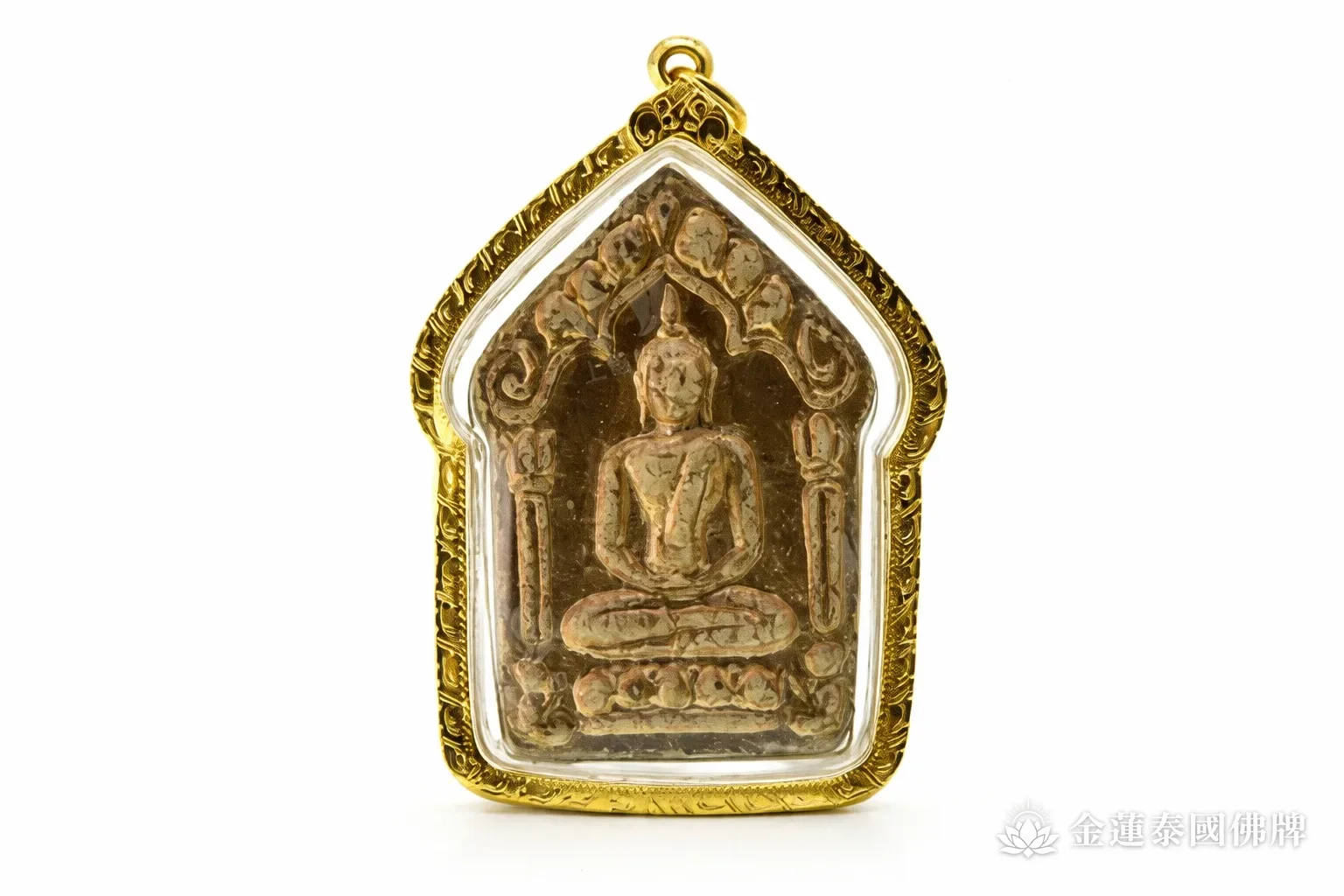
After LP Tim died, his adopted son LP Sakorn carried on the lineage at Wat Chum Saeng. We have LP Tim’s BE 2517 Phrai Kuman Khun Paen, large mould, and LP Sakorn’s BE 2553 Phrai Kuman Khun Paen, so you can compare the two generations of teacher and disciple; and also LP Sanga’s BE 2540 house-shaped Khun Paen from Ratchaburi.
Khun Paen Buddha and Khun Paen general
Khun Paen amulets fall broadly into two kinds: the “Khun Paen Buddha”, with a Buddha image on the amulet, like the old Khun Paen and Phrai Kuman Khun Paen above; and the “Khun Paen general”, showing the general himself, often on horseback or holding a sword. The two share a name but differ in nature; see the introduction in the Khun Paen section.
FAQ
What is the connection between Khun Phaen and Kuman Thong?
In Khun Chang Khun Phaen, Kuman Thong is Khun Phaen’s son. One of the old Khun Paen moulds is also called Kuman Thong by Thais.
Can a Khun Paen be worn with Buddha amulets?
Yes. The Buddha amulet usually goes in the middle with the Khun Paen beside it; see how many amulets to wear at once.
How are old and modern Khun Paen told apart?
Old Khun Paen are old amulets unearthed from ancient temple stupas or temple grounds, mostly fired clay; modern Khun Paen were made in recent decades under monks’ supervision, such as LP Tim’s Phrai Kuman Khun Paen. Both are much copied, so check the source carefully before choosing.