
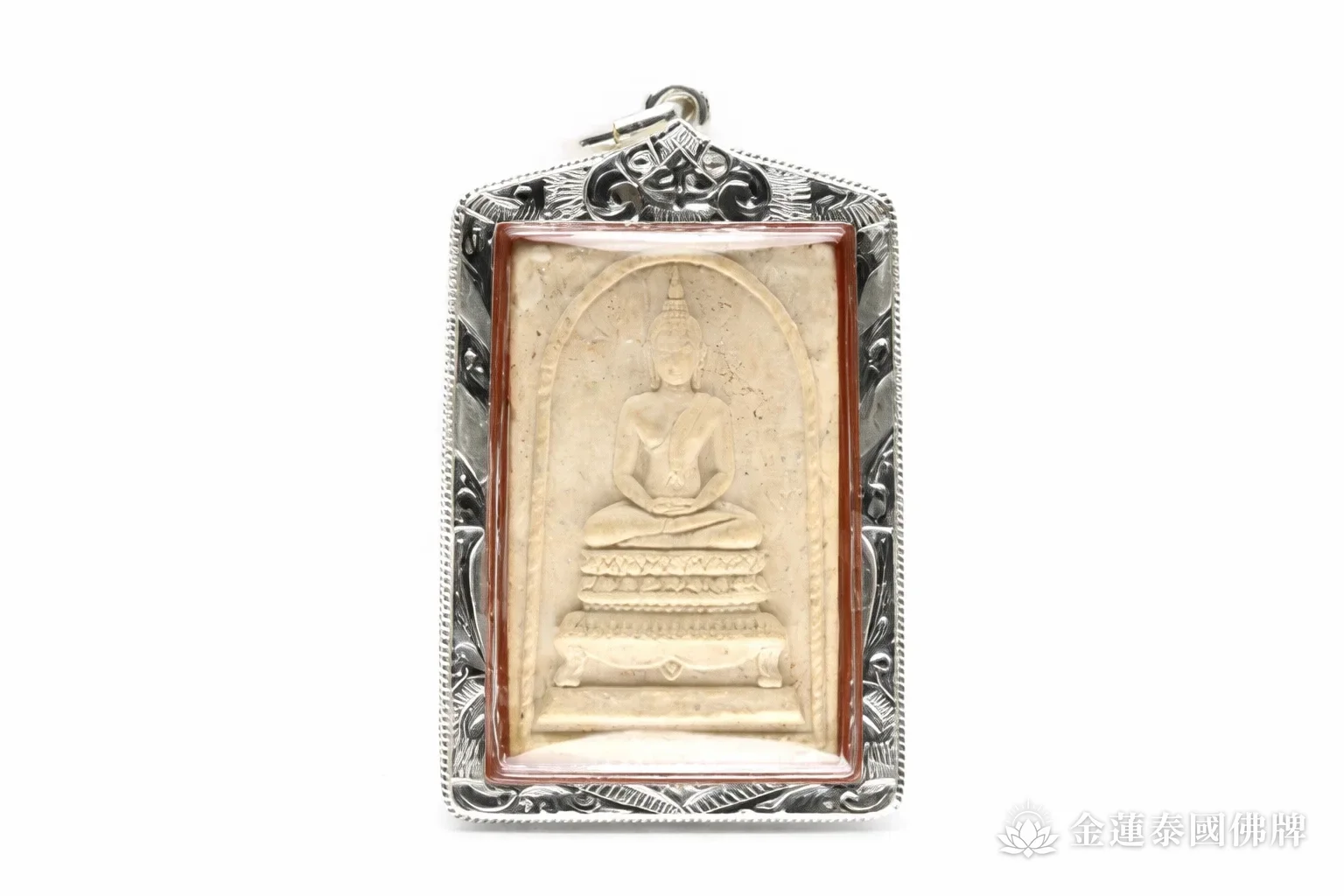
A BE 2516 Somdej from Luang Pu Toh (หลวงปู่โต๊ะ) of Wat Pradu Chimphli, Bangkok, with an elephant’s head and a pair of scales on the back, hence its name “Lhang Tra Chang” (หลังตราช้าง, elephant seal back). Temple soil and sacred powder, about 3.7 cm tall, in a sterling silver waterproof case. The monk was 86 that year, so it’s a lifetime piece. With authentication card.
Details
| Monk | Luang Pu Toh (Luang Pu Toh Inthasuwanno, หลวงปู่โต๊ะ อินทสุวัณโณ) |
|---|---|
| Temple | Wat Pradu Chimphli, Bangkok Yai district, Bangkok |
| Name | Somdej “Lhang Tra Chang” (พระสมเด็จ หลังตราช้าง) |
| Year | BE 2516 (1973), engraved “๒๕๑๖” on the back; the seller’s details field also says 2512 |
| Image | Front: a seated Buddha in an arched niche above a three-tier base with table-leg feet; back: an elephant’s head, a pair of scales, the year and a line of Thai |
| Material | Temple soil, sacred powder |
| Size | About 3.7 cm tall |
| Case | Sterling silver waterproof case with engraved front frame |
| Authentication | With authentication card (for how to check it, see What is an amulet authentication card?) |
| Benefits | Thriving business, unending wealth, turning bad luck to good, forewarning of danger, popularity all around |
| Price | US$475 (with sterling silver waterproof case and authentication card) |
More amulets from the same monk? See the LP Toh profile (2 amulets) ›
This Somdej
An off-white powder amulet with the Buddha seated cross-legged in an arched niche, hands folded in his lap, the topknot pointed; below is a three-tier base, its lowest tier extending into table-leg feet. The surface has fine dark specks and some faint reddish marks, typical of old powder amulets.
On the back, in the centre, is a circle containing an elephant’s head wearing a pointed crown, with a scale pan hanging on each side below, and the year “๒๕๑๖” engraved at the bottom of the circle; beneath the circle is a line of Thai, with a Thai letter engraved in each corner. This elephant seal is where the batch gets its name.
Where this batch comes from
According to the seller, this batch was made for Luang Pu Toh’s birthday with sacred materials donated by LP Lamoon of Wat Sadej, with a ceremony at Wat Pradu Chimphli in which chants for protection from danger and popularity were added. The seller also says Luang Pu Toh made Somdej from about BE 2463, and made thirteen moulds in all before consecrating Phra Pidta in 2518. We haven’t found any of this in Thai newspapers, and list it as the seller writes it.
Luang Pu Toh is best known for Phra Pidta, but also made several batches of Somdej. For his life, see the Luang Pu Toh profile; we also have his early BE 2472–2476 Phra Nang Phaya, and a flame Phra Pidta remade from his 2522 mould. For how Somdej moulds are told apart, see the Phra Somdej section; the Somdej began at Wat Rakhang. Every item in our shop comes with a permanent authenticity guarantee.
Frequently asked questions
Why does the information say 2516, and some say 2512?
The seller’s details field says 2512, but the back is clearly engraved “๒๕๑๖”, i.e. BE 2516, so we go by the year on the amulet. For reading Thai numerals, see Converting Buddhist Era years.
Was this blessed in the monk’s lifetime?
Yes. Luang Pu Toh only passed away in 1981 (BE 2524), so he was alive in 2516. For the difference between lifetime and memorial issues, see Do amulets still work after the monk passes away?
How should I protect a powder amulet over fifty years old?
It’s already sealed in a sterling silver waterproof case; just avoid hard knocks and long soaking. For caring for cases, see Waterproof, opening or sterling silver: how to choose an amulet case.
What’s the authentication card for?
The card carries a photo and number you can check on the issuing body’s website; see What is an amulet authentication card?
More Phra Somdej in our shop
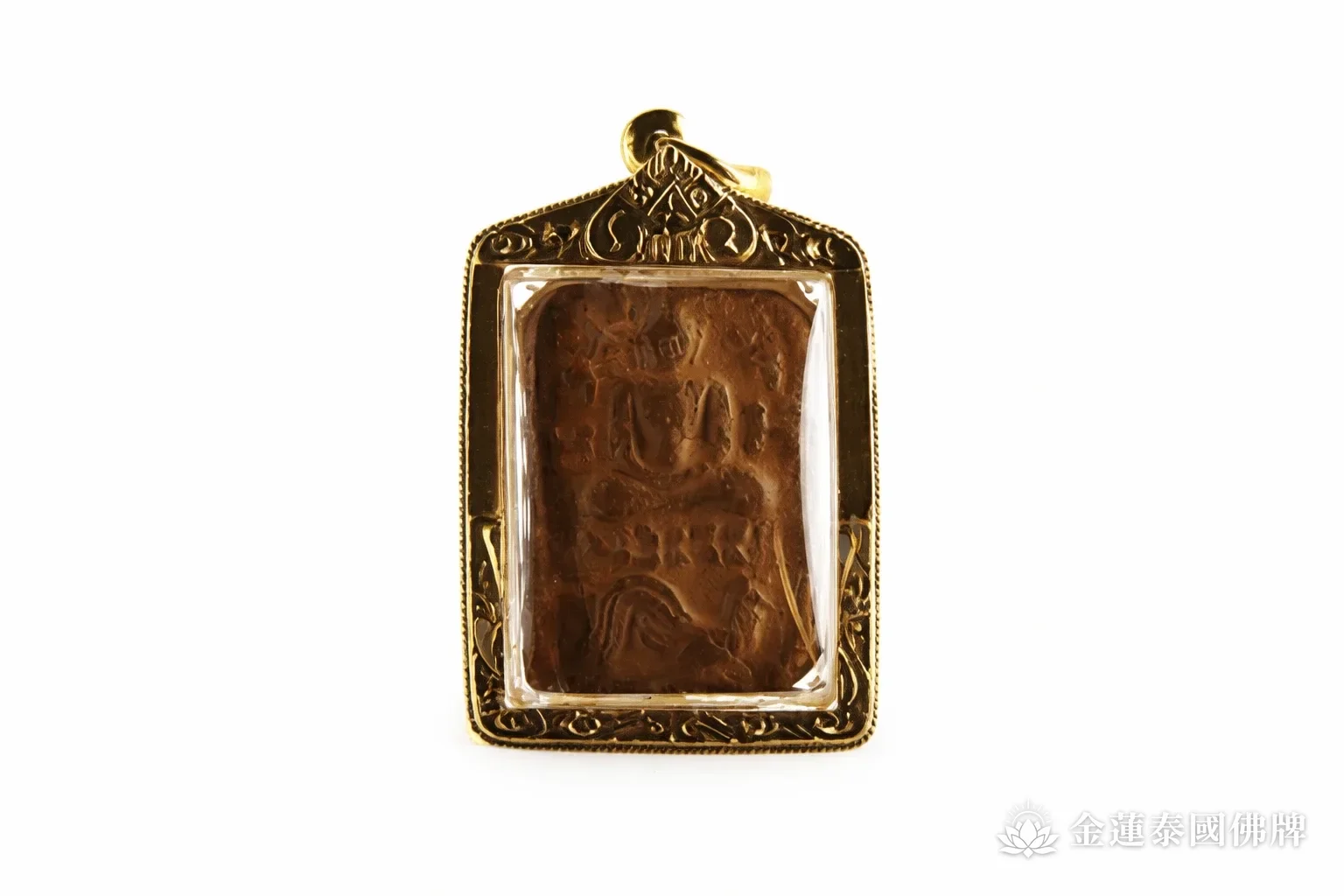 LP Parn BE 2460–2475 Sacred Animal Somdej "Rooster", Third Batch (Sacred Powder and Temple Clay, 80% Gold Case, Pieces A / B, With Authentication Card)US$2,039
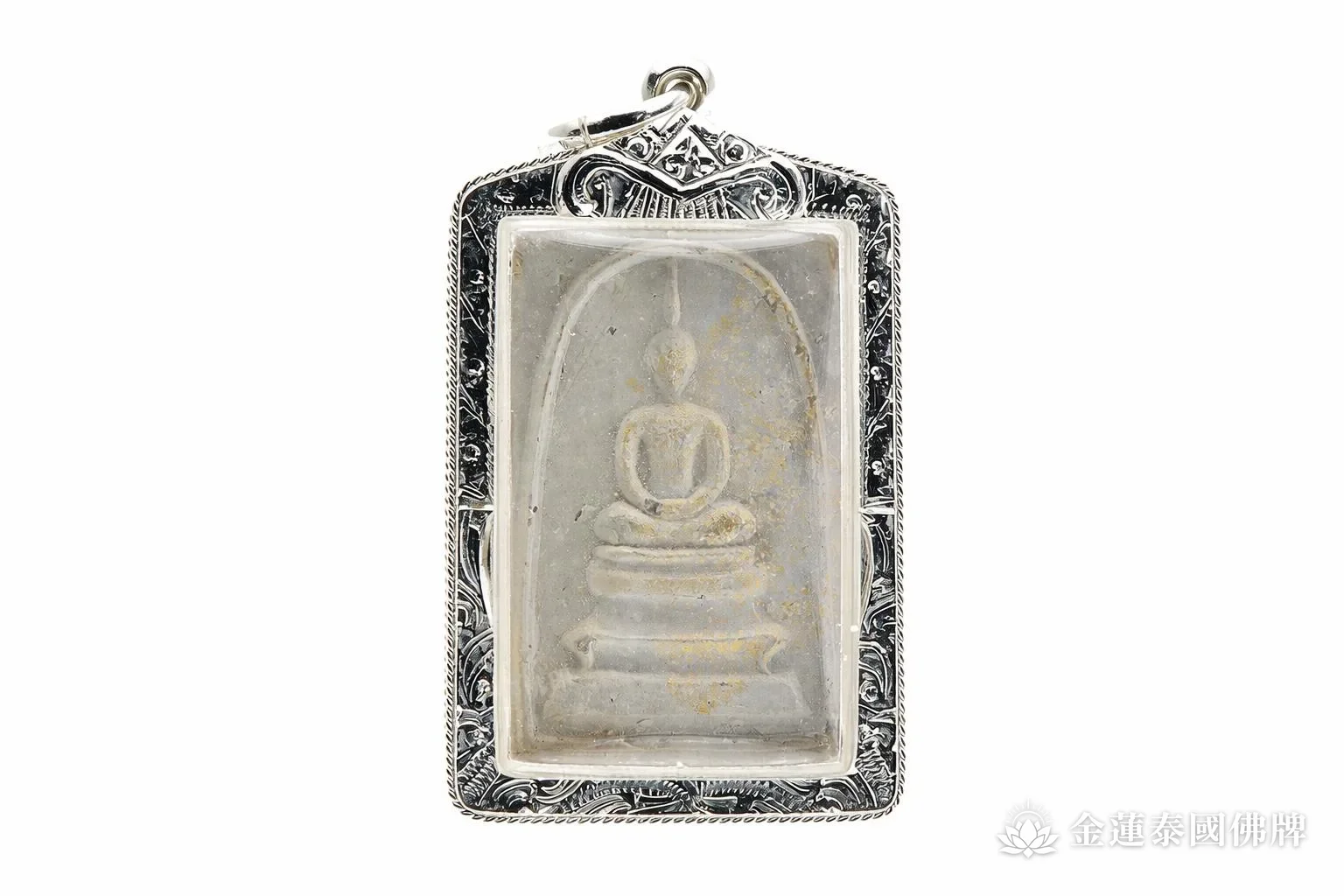 LP Phae BE 2509 "Buddhist Lent" Somdej Roon Traimas, Small Chedi Mould (108 Flower Powders, Gilded in the Mould, Sterling Silver Case, With Authentication Card)US$191
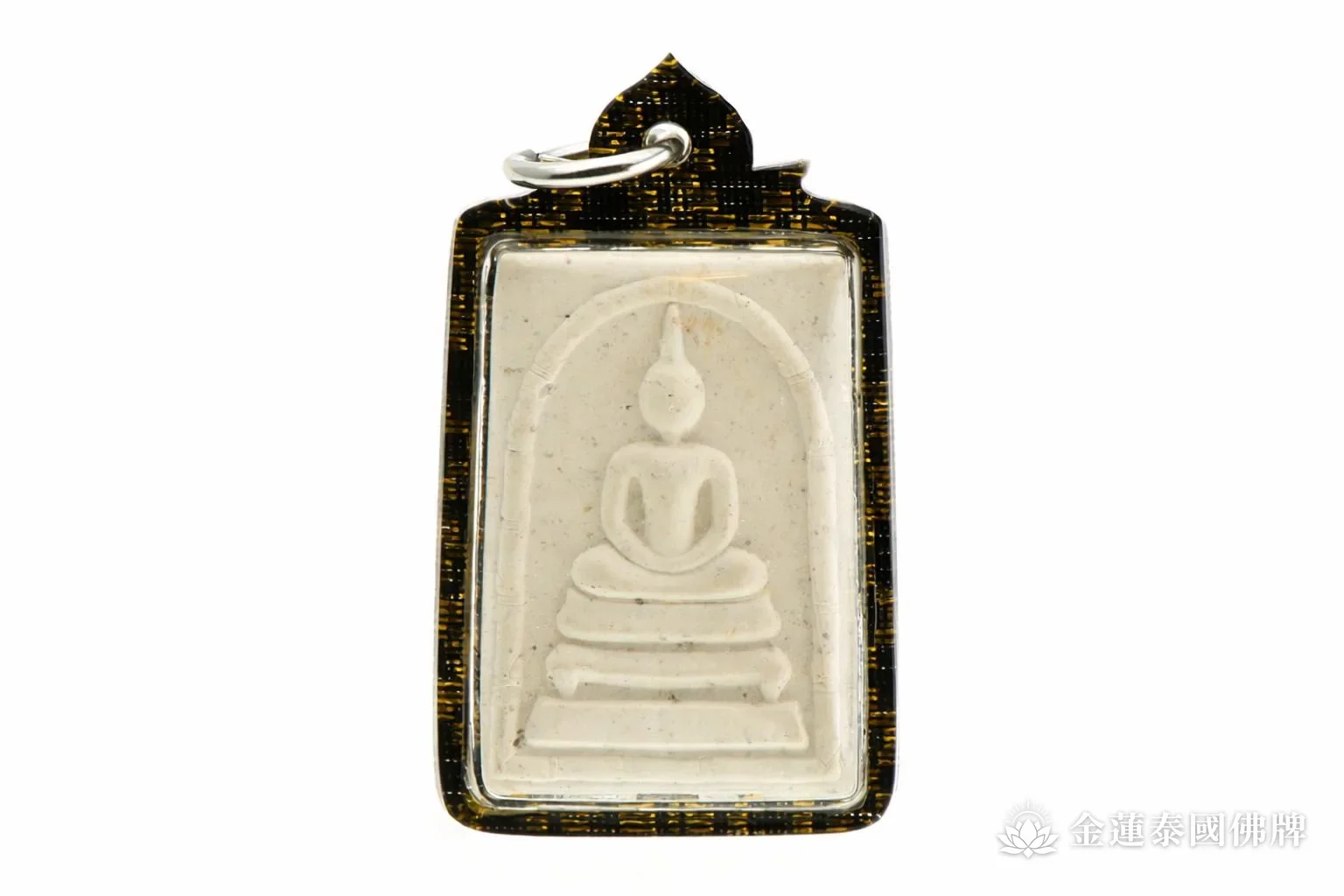 LP Phool BE 2544 First-batch Bamboo-leaf Somdej Weluwan "Poon Suk" (Betel-residue Sacred Powder, Portrait Back, Waterproof Case, With Authentication Card)US$88