In Thai, Pidta (ปิดตา) simply means “closed eyes”. The Buddha covering his eyes with both hands stands for drawing in the senses so that outside sights and sounds can’t sway him: a state of meditation. Many-handed Pidta cover the ears, mouth and nose too, meaning that every “door” of the body is shut.
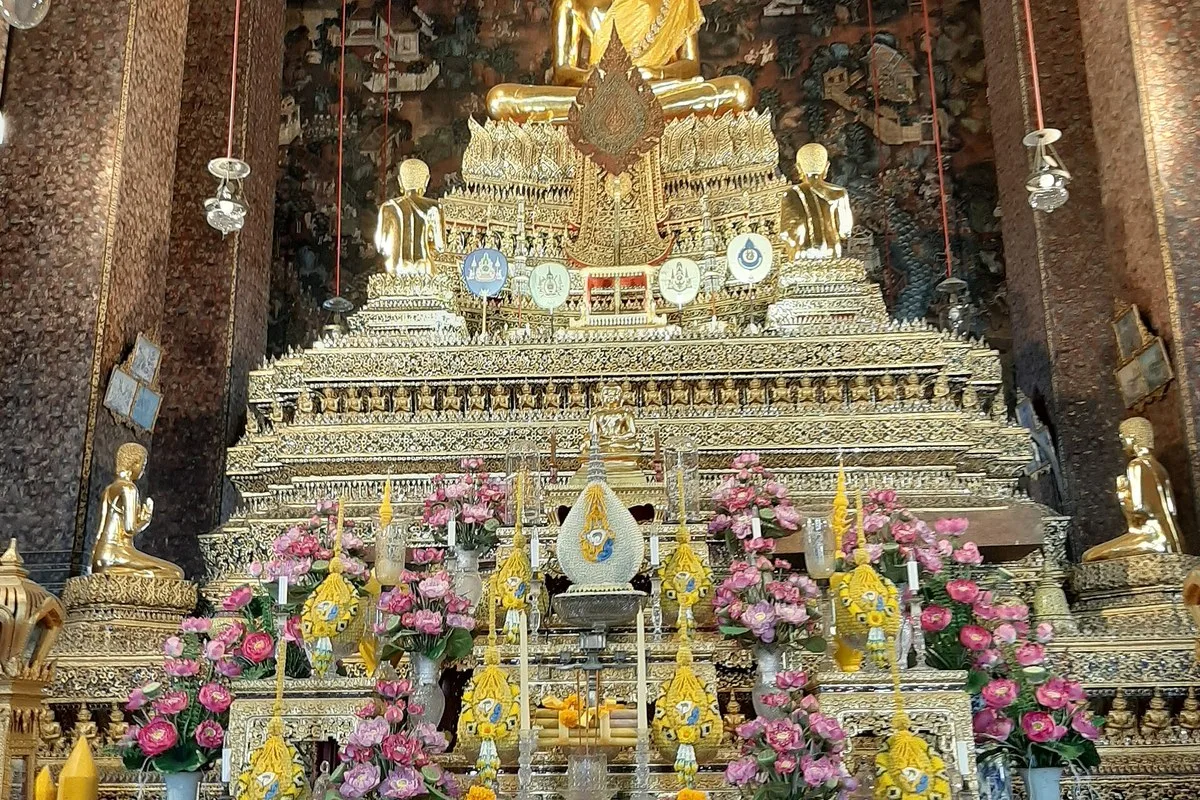
Where Phra Pidta comes from
Accounts differ on who Pidta is. A common one is that he is the Buddha’s disciple Phra Phakhawambodi (Pali: Gavampati); some in Thailand also identify him with the big-bellied Sangkajai (Kaccayana). Some research suggests the Pidta form comes from ancient Khmer image-making, and only later became popular in Thai amulets.
The accounts of his origin vary, but everyone understands “covering the face” the same way: shutting the senses and turning inward to practise.
Phra Pidta in our shop
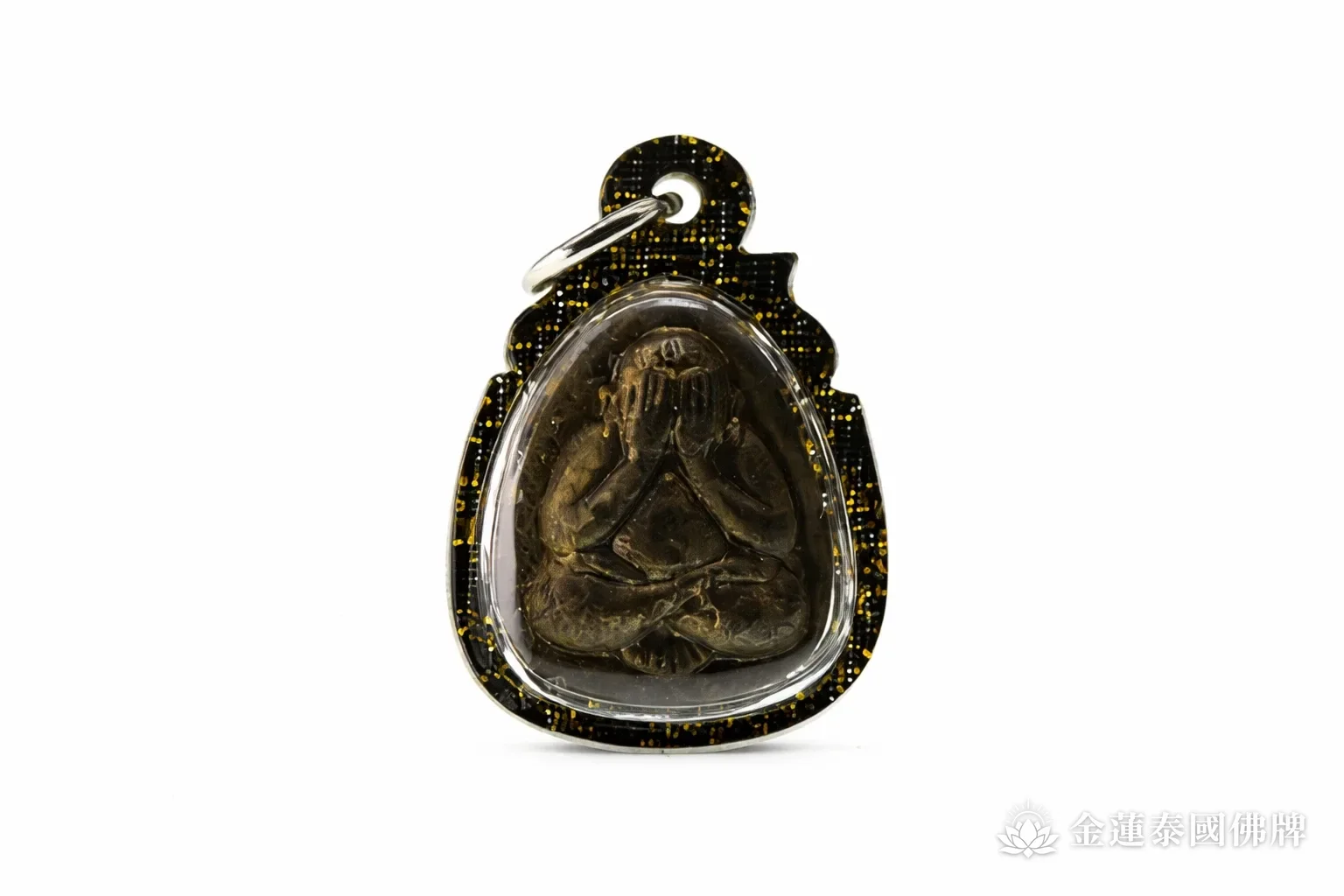 LP Sing BE 2561 Herbal Powder Phra Pidta (Waterproof Case)US$62
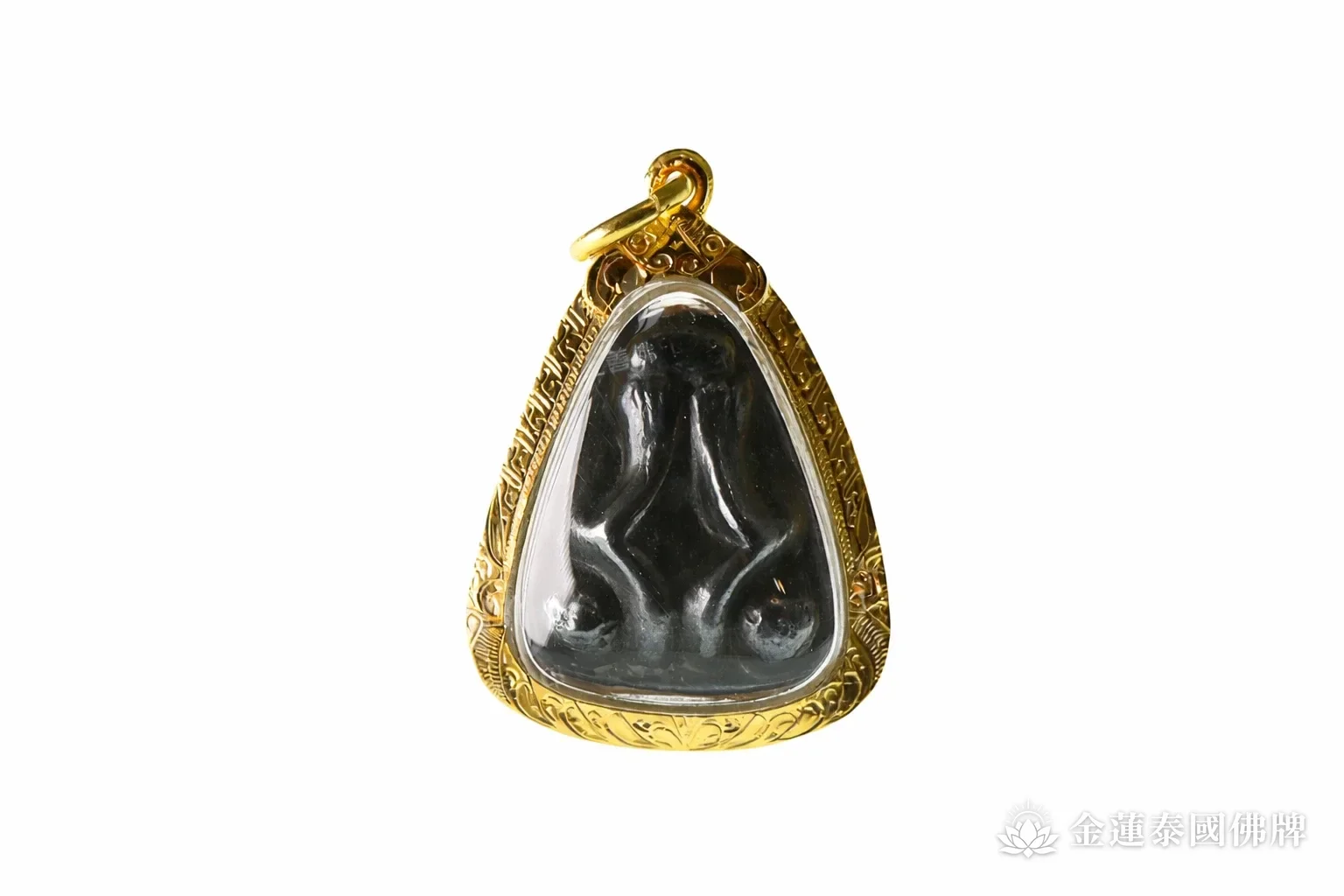 Luang Pu Boon BE 2460–2470 Phra Pidta Lang Yant (Mekhaphat Alloy, 80% Gold or Sterling Silver Case, With Authentication Card)US$307
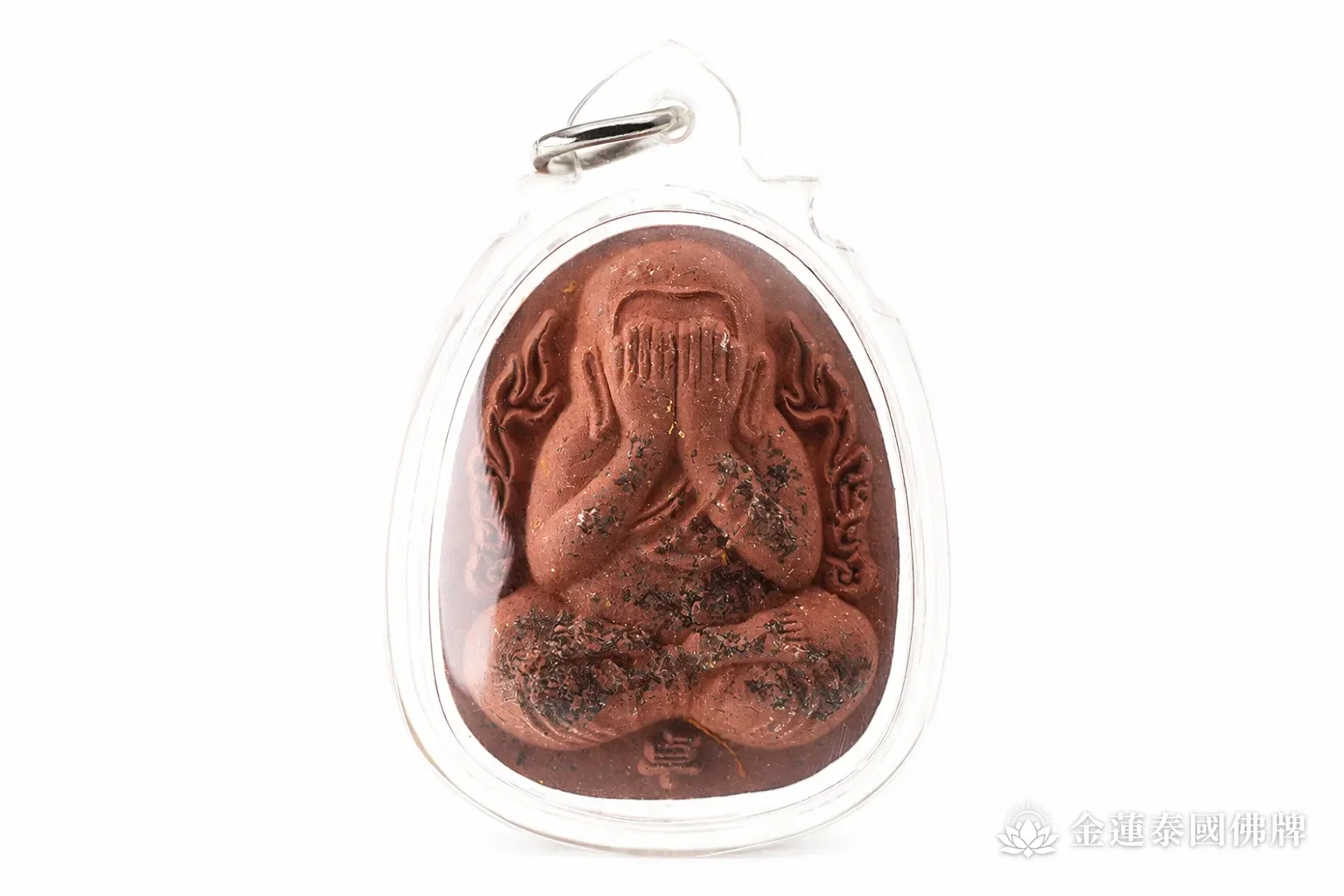 Luang Pu Toh Line BE 2565 Flame Phra Pidta (Reissue of the 2522 Version, Herbal Powder, Numbered)US$49
Two-handed and many-handed Pidta
The most common is two hands covering the face. Many-handed Pidta are called Pid Thawan (ปิดทวาร) in Thai, meaning “closing the doors”, traditionally the nine openings of the body: two eyes, two ears, two nostrils, the mouth and the two lower openings. So besides covering the face, a many-handed Pidta also has hands guarding the navel and lower body.
The usual Thai saying is that two-handed Pidta lean towards keeping wealth and popularity, so money that comes in doesn’t leak out; many-handed Pidta are wrapped more tightly and lean towards blocking misfortune, guarding against troublemakers and steering clear of disputes. These are matters of belief, and different monks’ Pidta each have their own emphasis.
How to look at a Pidta
First count the hands: covering only the face means two-handed, also guarding the body means many-handed. Then look at the material: cast copper stands up to wear, while powder and herbal amulets need a case. Then turn it over; many Pidta have a yantra, the temple’s name or the year on the back, all clues for identifying the batch.
A few Pidta in our shop
The LP Mee BE 2536 eight-handed Phra Pidta is a typical many-handed Pidta, cast copper in the round, with eyes, ears, mouth and nose all covered. The LP Kliang BE 2556 small Phra Pidta figure is a standing brass figure with both hands over the face. The LP Chuan BE 2556 herbal Phra Pidta is made of temple clay and herbs, with the herb fibres visible. The Ruay Perm Poon BE 2549 Pidta was blessed together by three monks of Ayutthaya, and their names read together mean “rich and multiplying” in Thai.
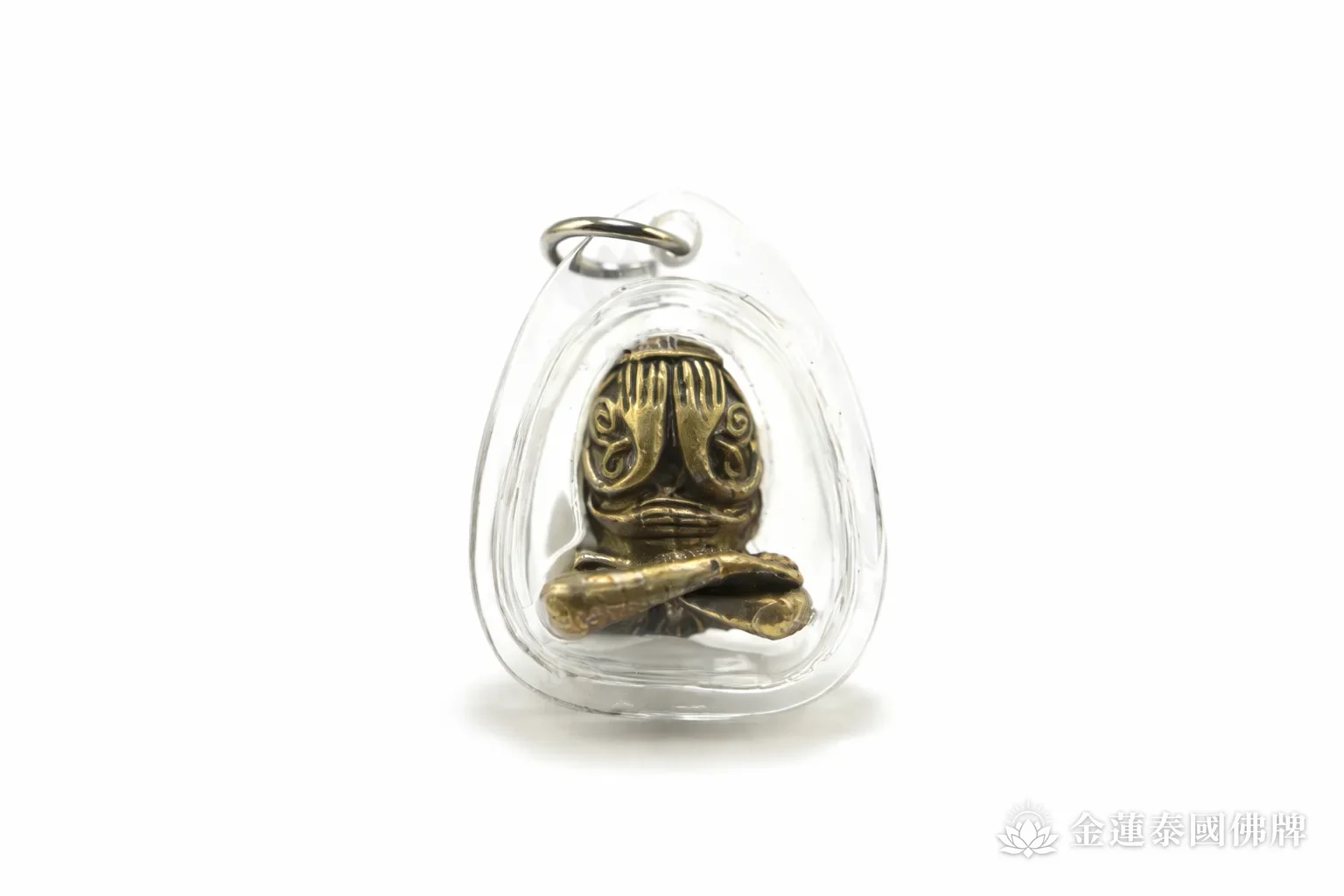
For our other Pidta, see the Phra Pidta section. For the differences between materials, see Amulet materials.
Who Phra Pidta suits
People in business who want to hold on to their money, and those who often meet troublemakers or disputes at work, take Pidta most often. Pidta is a mainstream Buddha amulet with a gentle effect, fine for a first amulet too; how it compares with Somdej and Phra Kring is covered in Which amulet should be your first?
Frequently asked questions
Can Pidta and Somdej be worn together?
Yes, both are mainstream Buddha amulets. When wearing them together, people generally put the earlier one, or the one they value most, in the middle.
Why does Phra Pidta look plump?
Many Pidta are rounded in form, linked to the Thai belief connecting Pidta with the big-bellied Sangkajai, and also a matter of traditional image-making style.
Does Pidta have to be worn, or can it be worshipped at home?
It can be worshipped. A small standing Pidta figure fits well beside the till or on the home altar; for placement and worship, see Altar and worship guide.