
Almost every Thai recognises Phra Pidta with his hands over his face; for what it means and where it comes from, start with why Phra Pidta covers his face. This piece is about something else: Pidta made by different monks differ greatly in material, look and reputation. Below are a few of the great old Pidta masters Thai collectors talk about, and then the monks whose Pidta we have in the shop now.
First, the three kinds of Pidta
The amulet pages of Thailand’s Thairath divide Pidta broadly into three kinds:
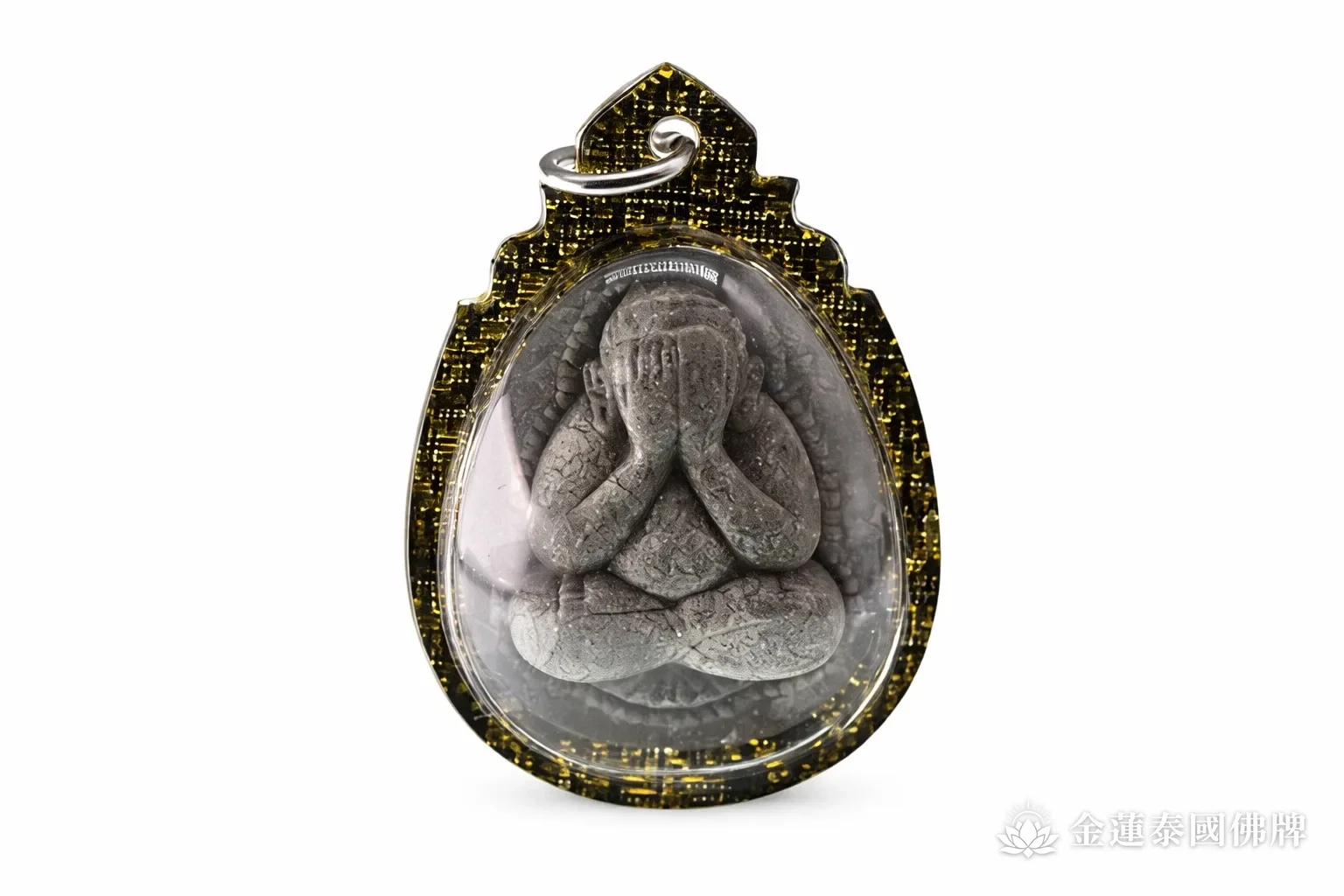
- the “Maha Lap”, covering only the face, the most common, mostly worn by Thais for goodwill, business and wealth;
- the “Maha Ut”, covering the ears, nose, mouth and lower body too, all nine openings, for protection, avoiding danger and authority;
- the squatting Pidta, mostly small amulets of the southern Wat Khao Or lineage, which Thais use against black magic and to turn their luck.
The report ends by saying that whichever kind you wear, what matters most is guarding your own body, speech and mind.
Phra Pidta in our shop
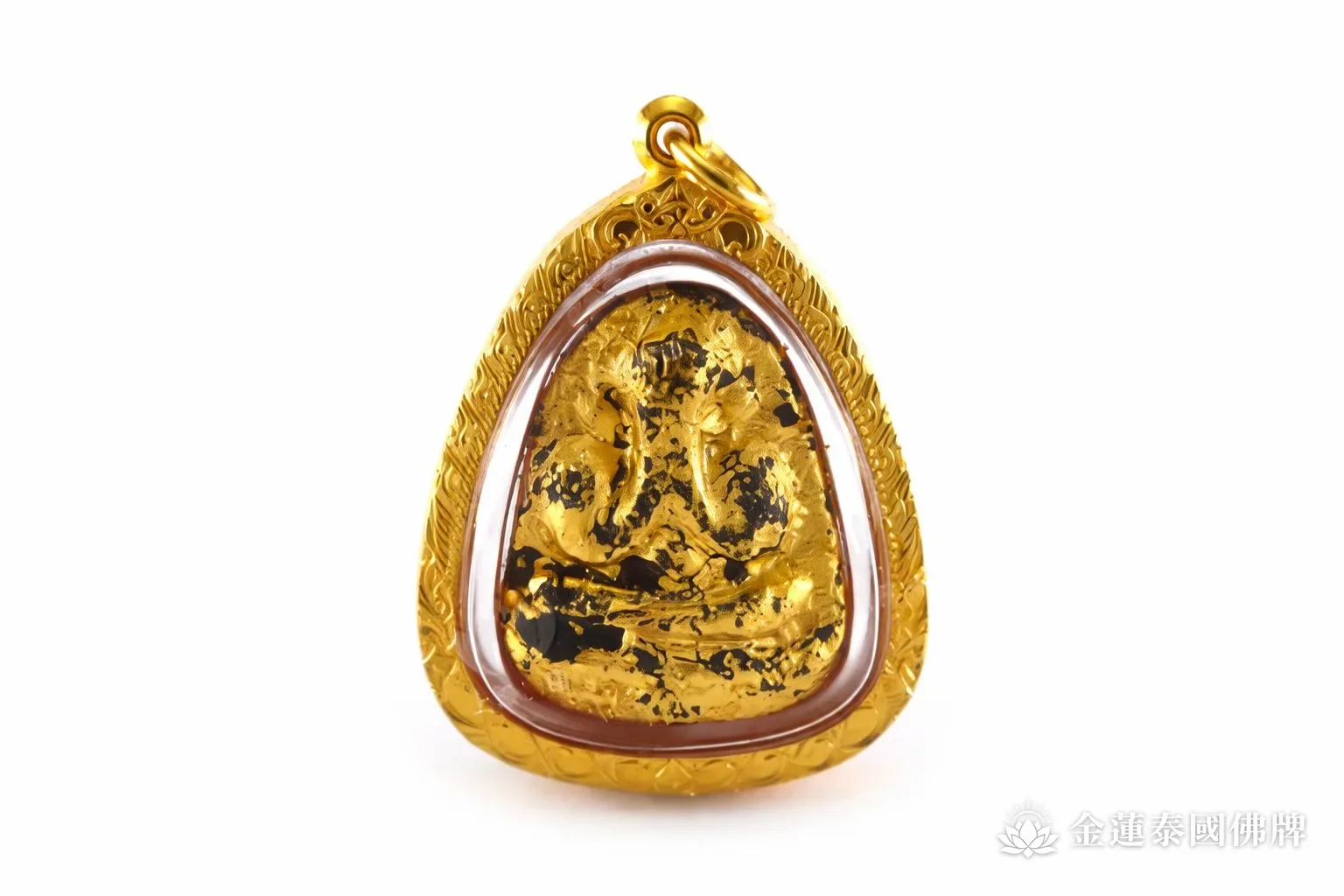 LP Hiang BE 2505 Ceremony Phra Pidta (Scripture Powder, 108 Sacred Powders, 80% Gold Case, With Authentication Card)US$423
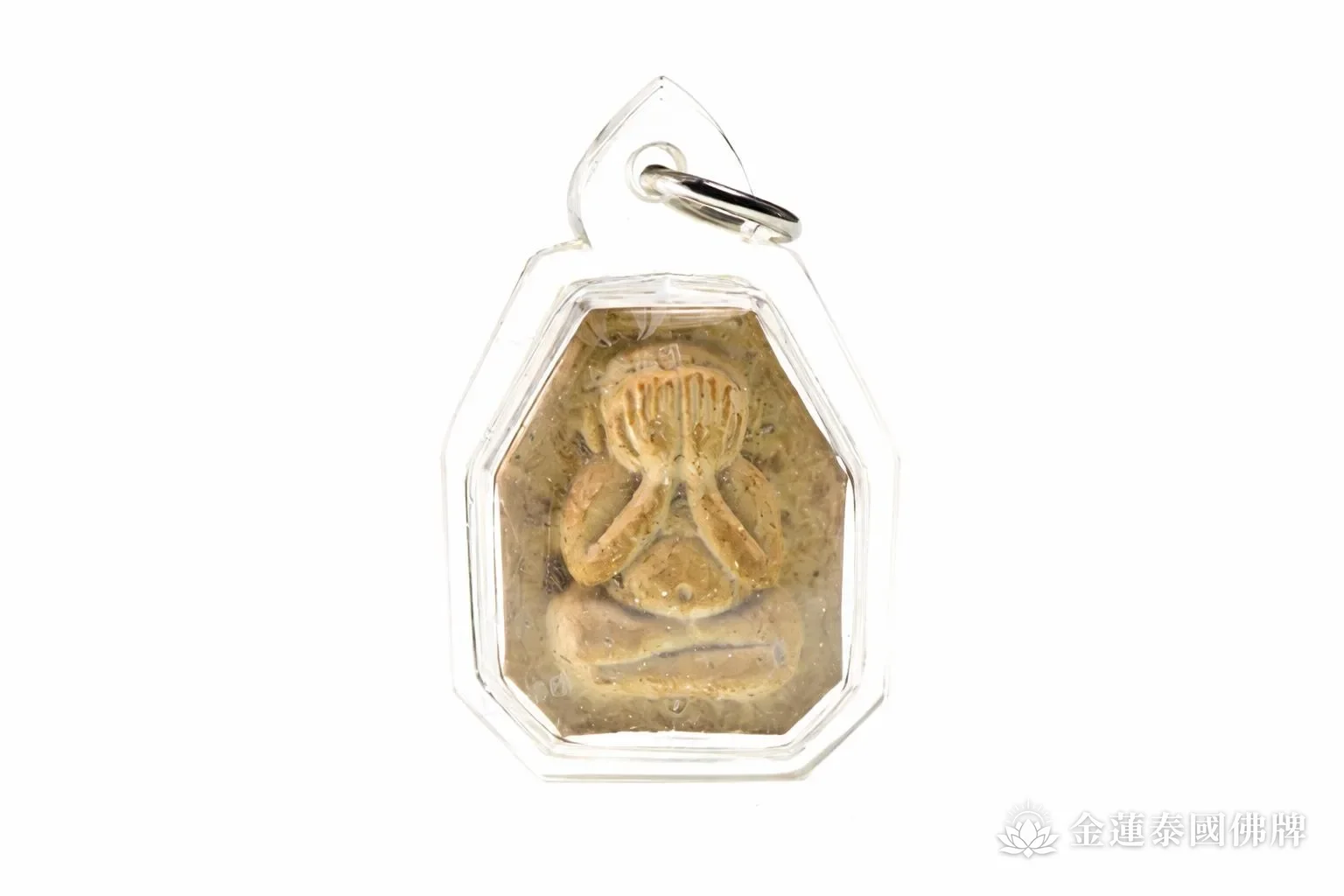 LP Khun BE 2532 Sacred-tree Powder Phra Pidta, Octagonal (Scripture Powder and Temple Earth, Large / Small, Waterproof Case)US$62
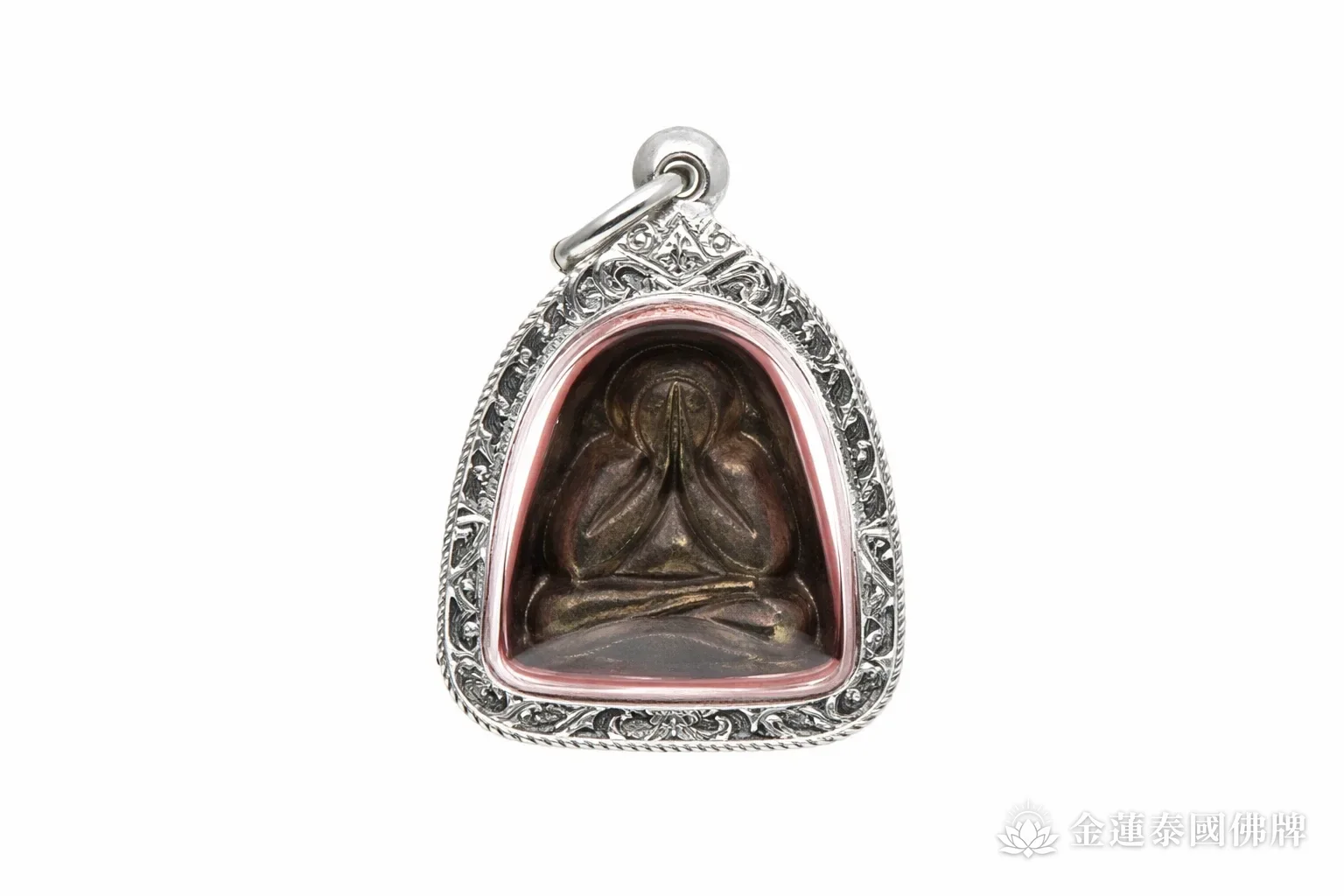 LP Dee of Wat Phra Rup BE 2534 Phra Pidta "Charoen Dee" (Mekhasit Alloy, Sterling Silver Case, With Authentication Card)US$165
Luang Pho Kaeo’s lacquered clay and lead Pidta
Luang Pho Kaeo of Wat Kruawan in Chonburi was an old master of the mid-nineteenth century. His Pidta come in two kinds: clay Pidta of temple clay and sacred powder sealed in lacquer, and Pidta cast in lead. Thairath describes him as “the king of clay and lead Pidta”, and genuine lacquered clay pieces are so rare that Thais even say they are harder to find than a Somdej.
The lead Pidta came about for a very practical reason. Chonburi is by the sea and many of the monk’s disciples were fishermen; clay Pidta soaked in seawater every day soon fell apart, so they asked him to make them in lead instead, which lasted far longer. Local old people still tell a story: long ago at a night market, drunken men got into a fight, and one man was stabbed several times with a weapon made from a stingray’s tail spine, which wouldn’t go in; when people looked, he had nothing at his neck but one of Luang Pho Kaeo’s lead Pidta tied on with wire. It is a story handed down, but it shows why these Pidta have always been so sought after.
Luang Pu Suk’s big-bellied Pidta
Luang Pu Suk of Wat Pak Khlong Makham Thao in Chai Nat made many batches of Pidta. The most famous is the “big-bellied Pidta”: according to records, in 1920 the monk made this batch for his mother’s funeral and gave them to those who came. The materials are mainly lacquer, pollen and sacred powder, the pollen not finely ground, so coarse grains show under a magnifier, one of the things collectors look at to judge authenticity.
It is easy to recognise: one hand raised to cover the face and the belly clearly bulging, so Thais call it the big-bellied Pidta. Thairath has reported one valued at 1.2 million baht. In our shop, LP Chu’s owl comes from a practice traced back to Luang Pu Suk.
LP Toh’s Maha Lap Pidta
LP Toh of Wat Pradu Chimphli in Bangkok is also famous for Pidta. When Thairath introduces the Pidta, it often uses his Maha Lap Pidta as an example, known in Thailand for drawing and holding on to wealth and thriving business.
Which monks’ Pidta we have
Genuine pieces by the great old masters are rare and expensive, and there are many copies on the market. For everyday wear, Pidta by modern monks are just as properly blessed. We currently have these:
- LP Mee’s BE 2536 eight-handed Pidta: cast copper, with eyes, ears, mouth, nose and lower body all covered, the Maha Ut kind.
- LP Chuan’s BE 2556 herbal Pidta: from Wat Khao Kaeo in Ang Thong, pressed from temple clay and many herbs, with herb fibres and cracks on the surface.
- The BE 2549 “Ruay Perm Poon” Pidta: blessed together by LP Poon, LP Ruay and LP Perm, whose monastic names together spell “rich, increasing, multiplying” in Thai.
- LP Kliang’s BE 2556 small Pidta figure: from a great ceremony at Wat Noen Sutthawat in Chonburi, 3,000 in the batch, brass.
- LP Sawai’s BE 2541 Pidta: the monk’s 76th birthday batch, with a tiger on the back.
- LP Si’s BE 2517 Pidta “นะมิ”: a small triangular powder amulet made by monks of Wat Pho and blessed by LP Si.
- Kruba Ariyachat’s BE 2558 peacock Pidta: a bucha statue for the home.
How to choose
First decide what you want: for goodwill and business, choose one that covers only the face; if you care most about safe travels and avoiding danger, look at the eight-handed or nine-openings kind. Then look at the material: powder and herbal amulets have a gentle feel but dislike water, metal ones are hard-wearing; see Thai amulet materials. More designs are in the Phra Pidta section.
FAQ
How do old masters’ Pidta differ from modern ones?
Mainly in age, numbers and collector value. Few of the great old masters’ Pidta survive, they are expensive, and there are many copies; modern monks’ Pidta are just as blessed and much easier to obtain.
Can a Pidta be worn with a Somdej?
Yes. The Somdej usually goes in the middle and the Pidta beside it; see how many amulets to wear at once.
Why are most Pidta plump?
It has to do with the Pidta’s origin: a handsome venerable one is said to have turned himself into a round, plump figure; see why Phra Pidta covers his face.