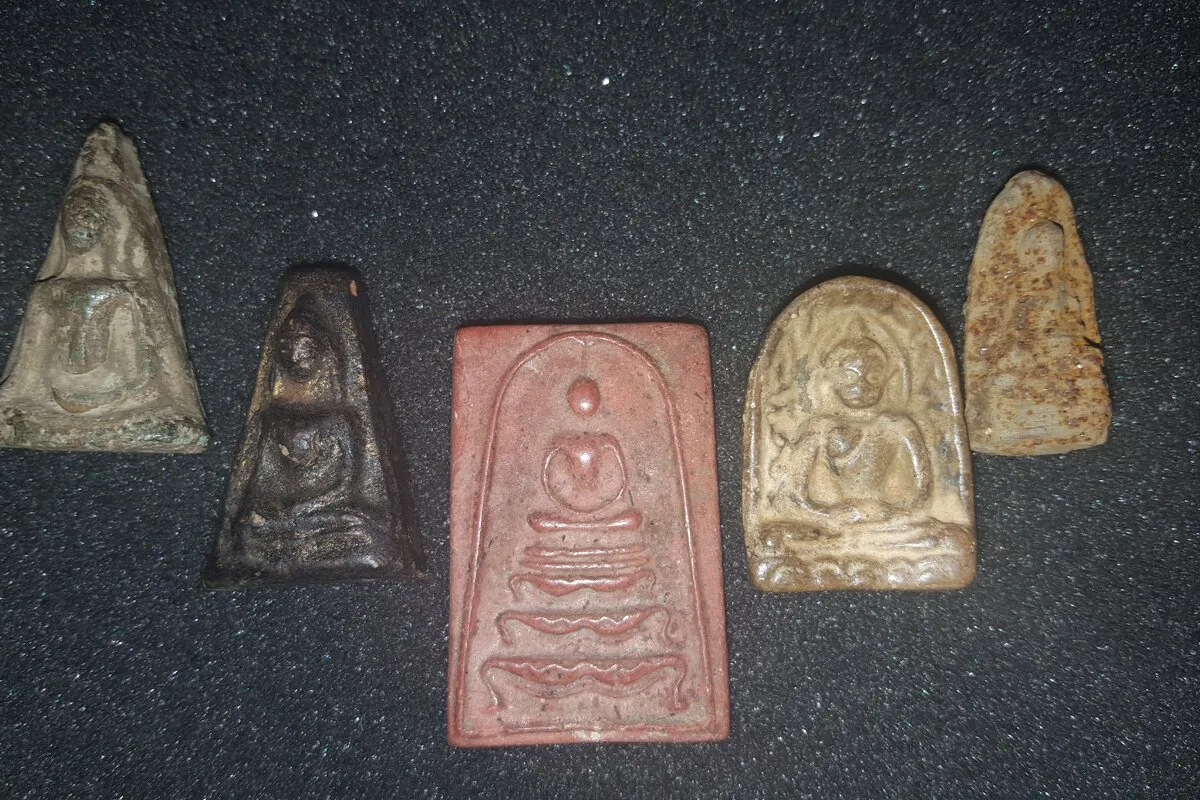
Reading about Thai amulets, you often come across the “five great amulets”, Benjaphakee (เบญจภาคี) in Thai, meaning “a set of five”. It refers to the five kinds of old amulet Thai collectors agree are the rarest and most sought after. English Wikipedia says each is valued at over ten million baht. This piece explains how the five were chosen, where each comes from, and what they have to do with the amulets we wear every day.
A list drawn up by a collector
The “five great” weren’t decided by any temple or institution. According to Thai Wikipedia, the term became popular around BE 2490 (1947), and the set was drawn up by Triyampawai (ตรียัมปวาย), a famous early amulet expert whose real name was Prachon Kittiprawat, then a colonel. His idea was to have each of the five represent an era of Thai history, from the oldest, Haripunchai, to the Bangkok era.
The five are: the Somdej of the Bangkok era, the Phra Rod of Haripunchai, the Sum Kor of the Sukhothai period, the Phra Nang Phaya of the Ayutthaya period, and the Phra Phong Suphan of the U Thong period. Thais who wear the set customarily put the Somdej in the centre as the main amulet.
Buddha Amulets in our shop
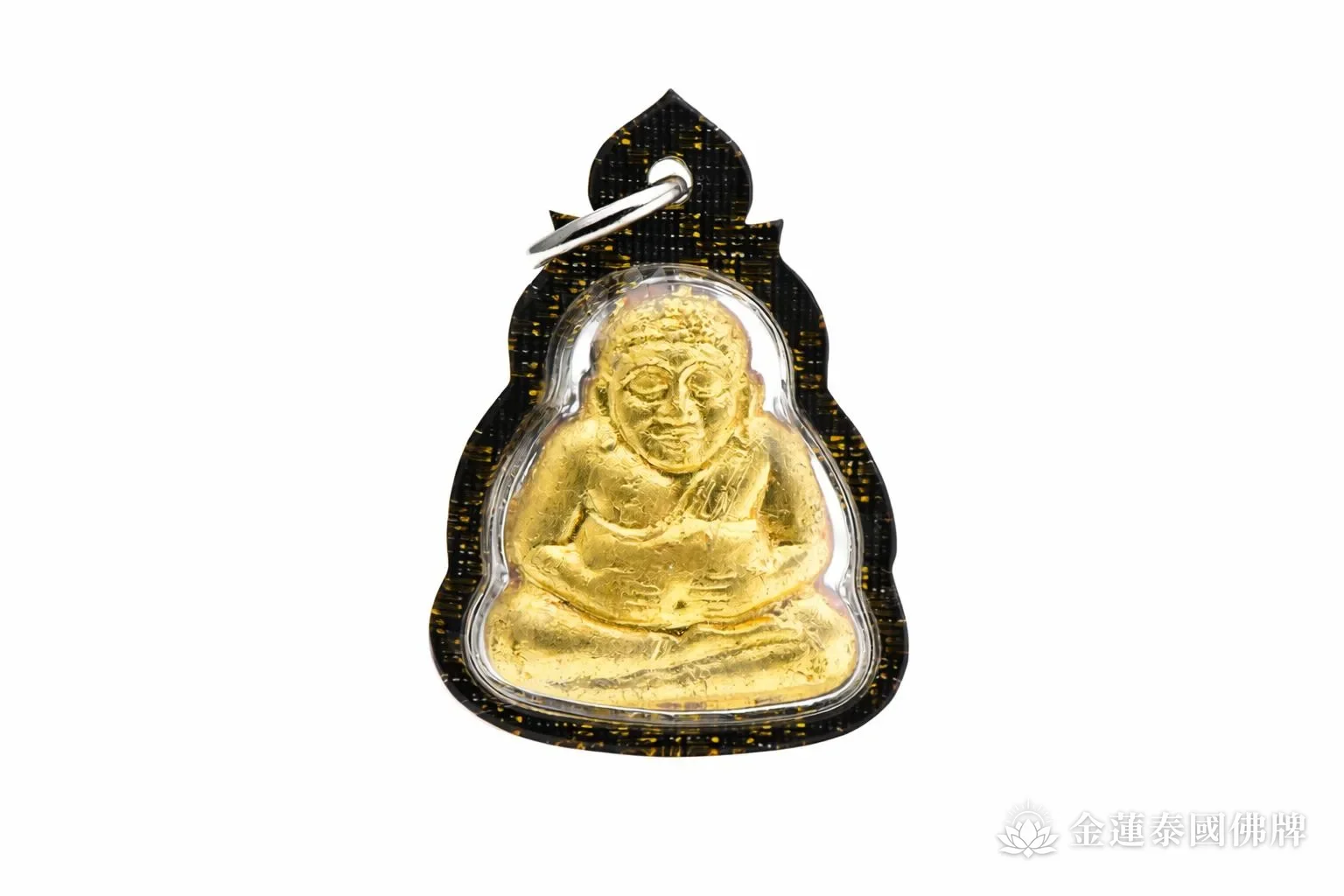 LP Muean BE 2545 Phra Sangkajai "Maha Mongkol 105 Pi" 105-Year Blessing Edition (Gilded Powder, Waterproof Case, With Authentication Card)US$68
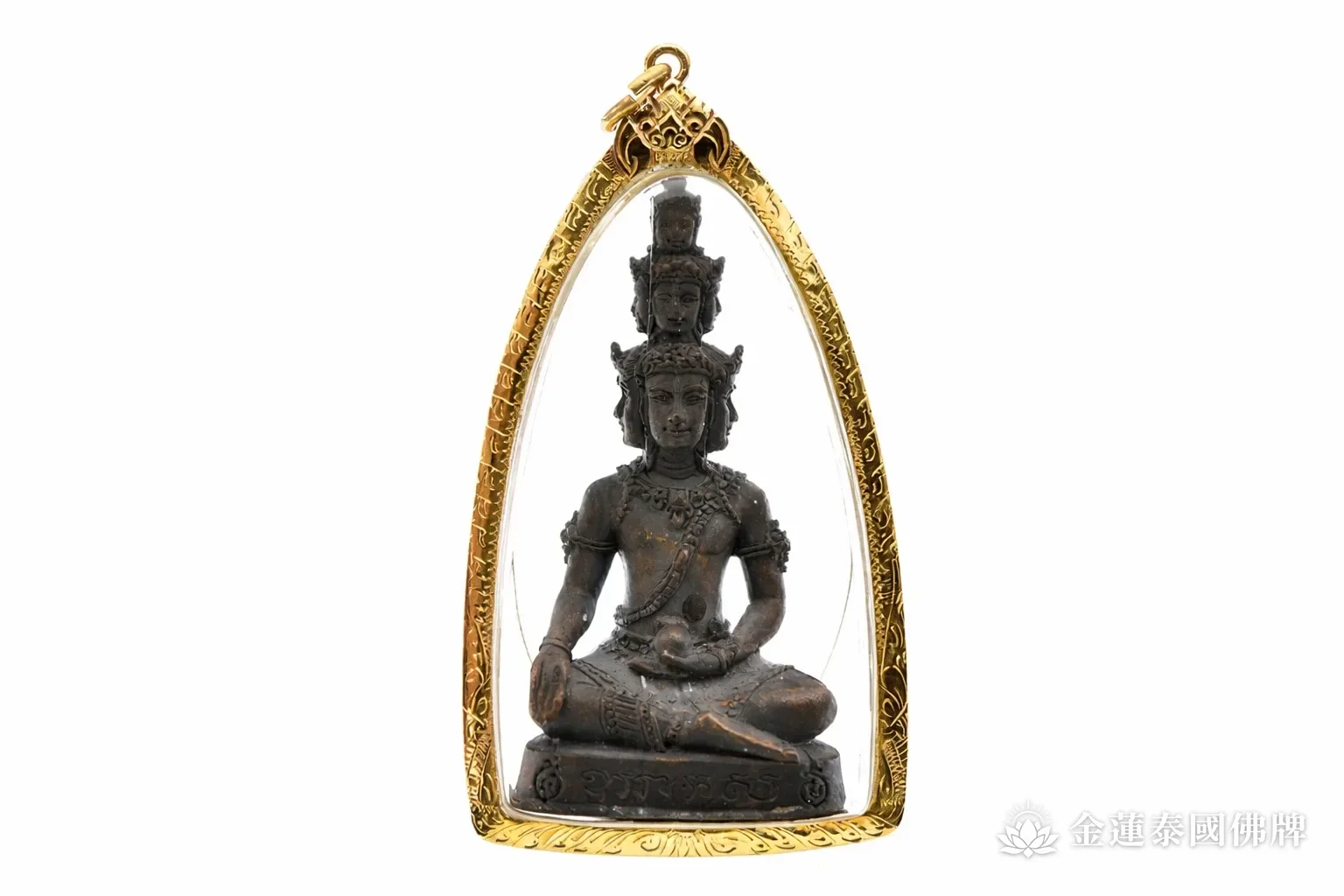 LP Thongdum BE 2551–2552 Second-batch Nine-faced Buddha of Wealth "Khot Setthi Nawakot" (Nine-metal Bronze, 80% Gold Case, With Authentication Card)US$772
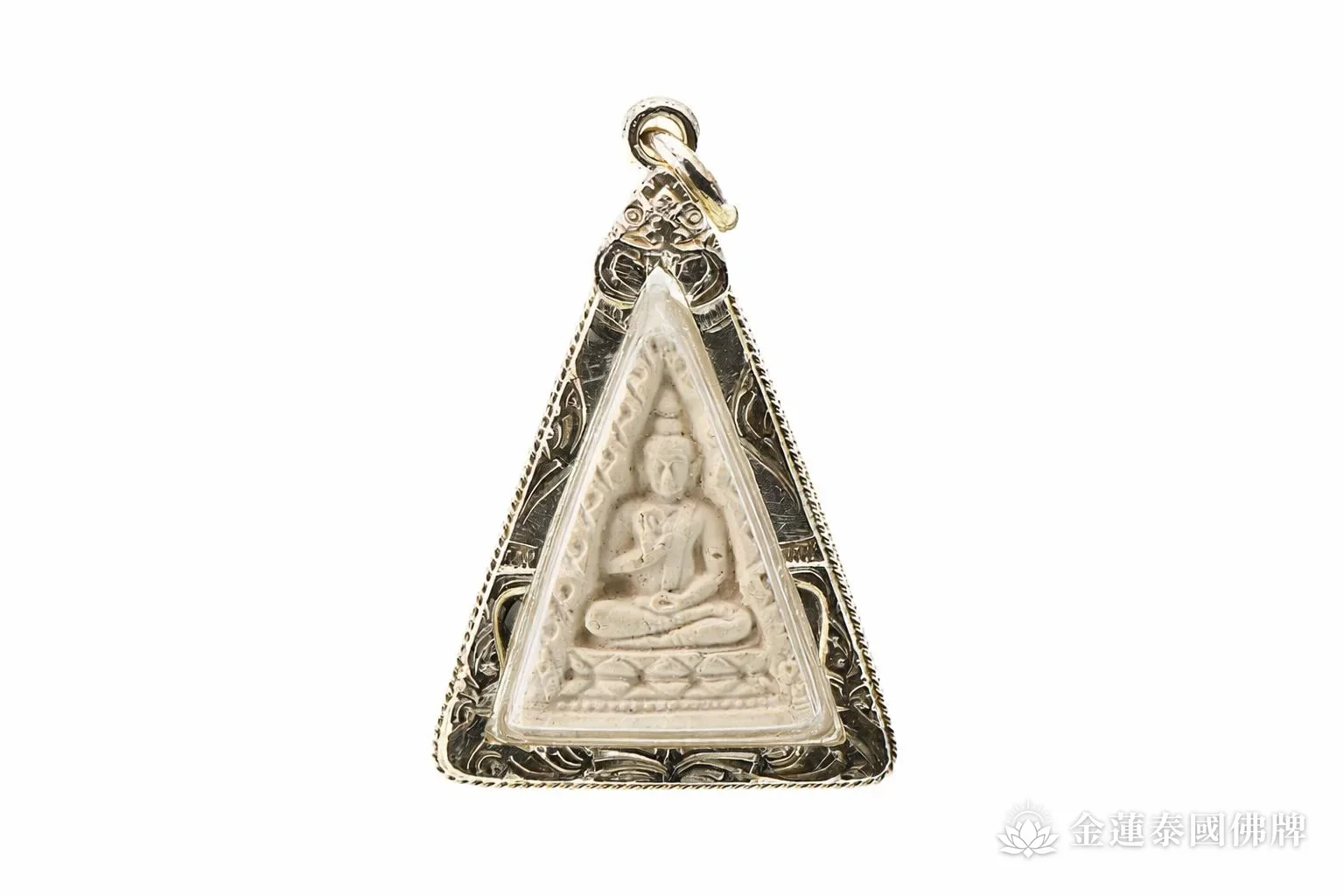 Wat Paknam BE 2514 / 2518 Fourth-batch Phra Dhammakhan, Triangular Mould (Sacred Powder, Sterling Silver Case, With Authentication Card)US$178
The Somdej (Phra Somdej Wat Rakhang)
The most recent of the five, made by Somdej Toh of Wat Rakhang in Bangkok, representing the Bangkok era. A rectangular plaque with the Buddha seated on a tiered throne. Its story and its temple are covered in Wat Rakhang; for how collectors divide the large, stupa and other moulds, see the five moulds of the Somdej.
The Phra Rod
The oldest of the five, representing the kingdom of Haripunchai at the end of the Dvaravati period, from Wat Mahawan in Lamphun in the north. English Wikipedia records that these amulets were found early in King Rama V’s reign in a half-collapsed stupa at the temple; because the Buddha on them matches an old Buddha image at the temple called Phra Rod Luang, they were named Phra Rod. Local tradition says they were made in ancient times by a hermit to give to people going to war, the rest sealed in the stupa.
The Sum Kor (Phra Kamphaeng Sum Kor)
Representing the Sukhothai period, from Kamphaeng Phet, found throughout the old city area there called Thung Sethi. Thai Wikipedia says that today it is the hardest of the five to come across. English Wikipedia also records a story: on a visit to relatives in Kamphaeng Phet in 1849, Somdej Toh found Sum Kor at Wat Phra Borommathat Nakhon Chum, together with an inscription recording how they were made, and later made the Wat Rakhang Somdej following it. The story is widely told, but we haven’t found earlier records to confirm it, so we treat it as legend.
The Phra Nang Phaya
Representing the Ayutthaya period, from Wat Nang Phaya in Phitsanulok in the north. Thai Wikipedia says it is generally believed to have been made by the Ayutthaya queen Wisutkasat, mother of King Naresuan the Great, around BE 2090 to 2100 when she restored the nearby Wat Ratchaburana.
The way it was unearthed is connected with royalty too. Around BE 2444, King Rama V went to Phitsanulok to see a replica of Phra Phuttha Chinnarat being cast, and Wat Nang Phaya, levelling ground to receive the royal visit, dug up this batch of amulets, said to number 84,000. The king gave some to his accompanying officials, which is how the Phra Nang Phaya came to Bangkok. More were found nearby later, in BE 2512, 2530 and 2553.
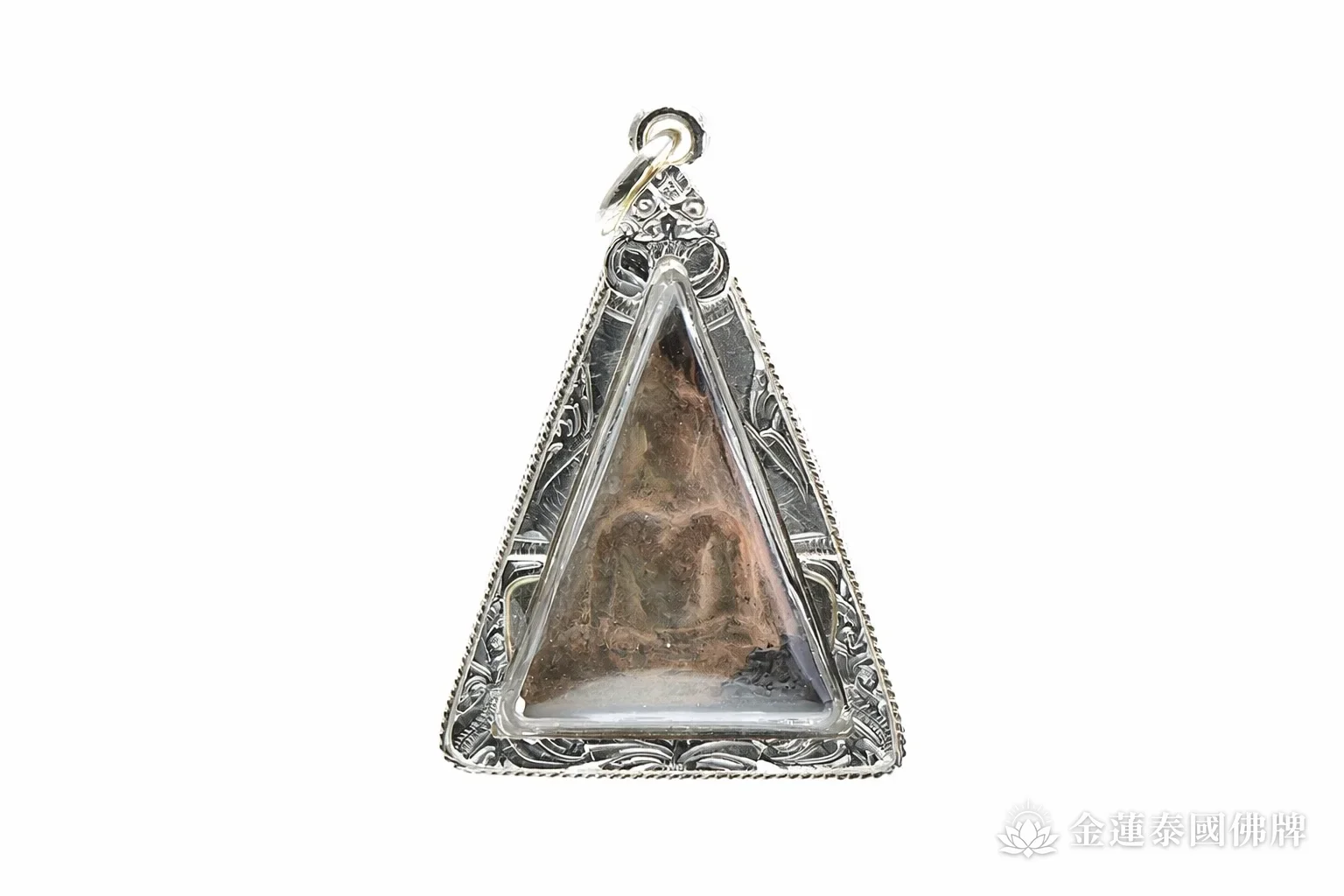
The Phra Nang Phaya is a triangular clay amulet, about 2 cm across the base and 2.8 cm tall, its clay the coarsest of the five, with visible grains of sand. The Buddha has a full chest and softly curved arms, looking like a dignified woman, hence “Nang Phaya” (the queen), and some call it “the queen of amulets”. Thai collectors divide it into several moulds by the chest and knees, such as the bulging-chest mould (อกนูน), the bent-knee mould and the straight-knee mould.
The Phra Phong Suphan
Representing the U Thong period, from Wat Phra Si Rattana Mahathat in Suphan Buri in central Thailand. English Wikipedia records that thieves once dug into the temple’s great stupa and stole amulets and gold plaques, and in 1913 the governor of Suphan Buri ordered a formal excavation, the Phra Phong Suphan being among the amulets found then. Suphan Buri is also where the old Khun Paen amulets come from; see where Khun Paen amulets come from.
What they have to do with the amulets we wear
Genuine pieces of the five great amulets are extremely rare, priced far beyond what most people would spend on an amulet, and there are a great many copies on the market. But these five forms were later imitated by many temples and monks, and the Somdej’s rectangle and the Phra Nang Phaya’s triangle are everywhere today.
We have one example in the shop: LP Toh’s BE 2472–2476 Phra Nang Phaya, a clay amulet LP Toh of Wat Pradu Chimphli in Bangkok made in the Phra Nang Phaya’s triangular shape, the bulging-chest mould, nearly a hundred years old. It isn’t from the batch unearthed in Phitsanulok, but one look at the shape tells you where it comes from. To start with the amulets people wear every day, see which amulet should be your first.
FAQ
Do the five great amulets have to be worn together?
Not necessarily. The “five great” were originally a collectors’ list, not a set you must wear together. Some people collect a full set and put the Somdej in the middle by tradition; wearing one or two day to day is fine too; see how many amulets to wear at once.
Are the very cheap “five great amulets” on the market genuine?
Genuine unearthed old pieces are extremely rare and expensive; cheap ones are mostly copies or later imitations. If you want an old piece, check its provenance carefully, ideally with a card from a certifying body; see what an amulet certificate card is.
Is the Phra Nang Phaya for women?
No. “Nang Phaya” (queen) describes the Buddha’s posture, and men and women alike can wear it.