Wat Pradu Chimphli (วัดประดู่ฉิมพลี) is in Bangkok Yai district on the west bank of the Chao Phraya in Bangkok, not a big temple tourists make a special trip for. When it comes up among Thai amulet people, it is mostly because of Luang Pu Toh. He came here to be ordained in his teens, became abbot at twenty-six, and stayed abbot until he passed away in 1981; his Phra Pidta were made at this temple.
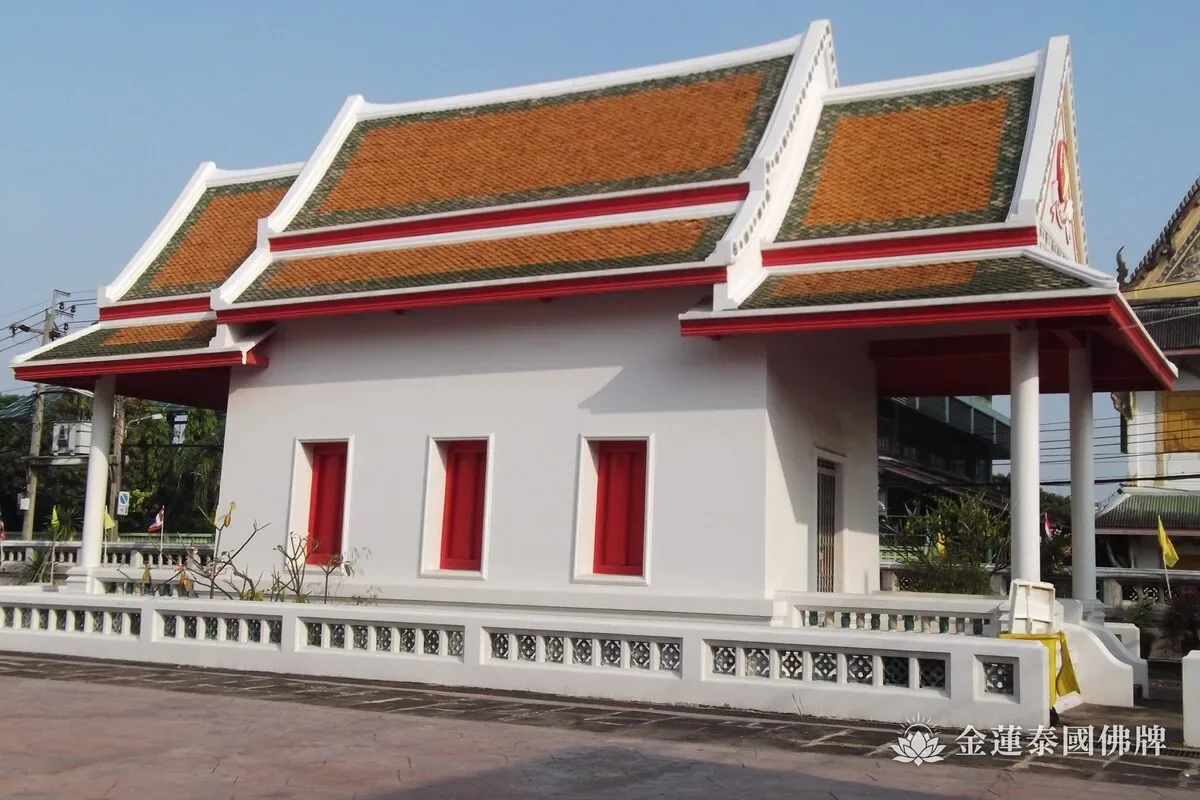
Originally the “kapok tree temple”
The temple was first called Wat Chimphli. “Chimphli” is the kapok tree in Thai, and it is said the land was once covered in kapok trees, hence the name. Nearby is another temple, Wat Pradu Nai Songtham, so locals called this one “outer Pradu temple” (Wat Pradu Nok), the two being inner and outer. Today’s name combines the two.
It was founded by That Bunnag, a minister under King Rama III who then oversaw the royal warehouses and later rose to Somdet Chao Phraya, a member of the powerful Bunnag family of the Bangkok era. He gave the land and money himself, and it took eight years, finished only under King Rama IV. Thai Wikipedia describes it as far larger and finer in its day than an ordinary local temple.
LP Toh amulets in our shop
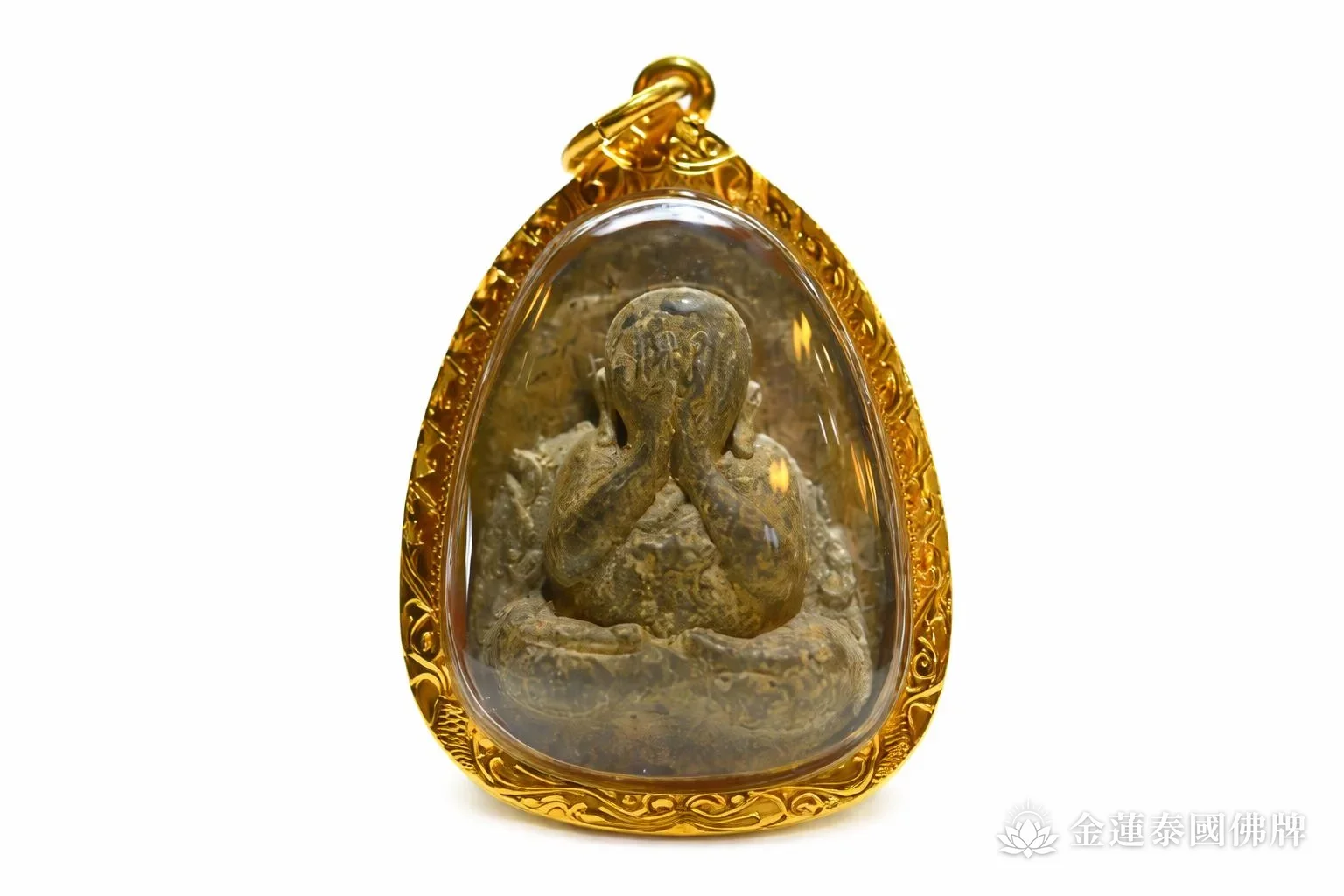 LP Toh BE 2522 Flame Pidta Kanok Khang (Palm-leaf Scripture / Pollen, 80% Gold Case, with Authentication Card)US$877
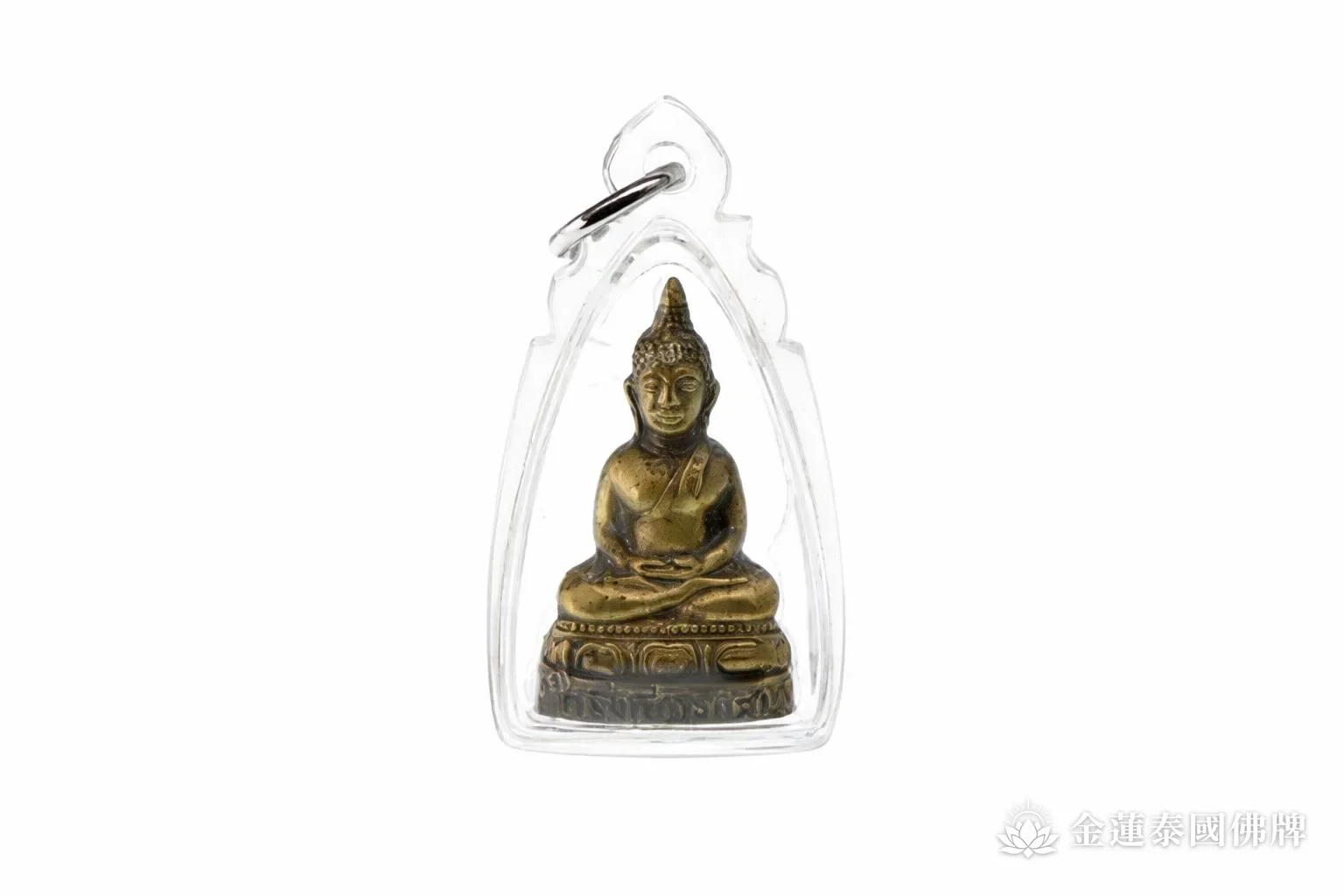 Wat Chino Sot BE 2512 Ceremony Medicine Buddha Chiang Saen (Blessed by LP Toh, LP Phrom and Others, Bronze, Waterproof Case, With Authentication Card)US$204
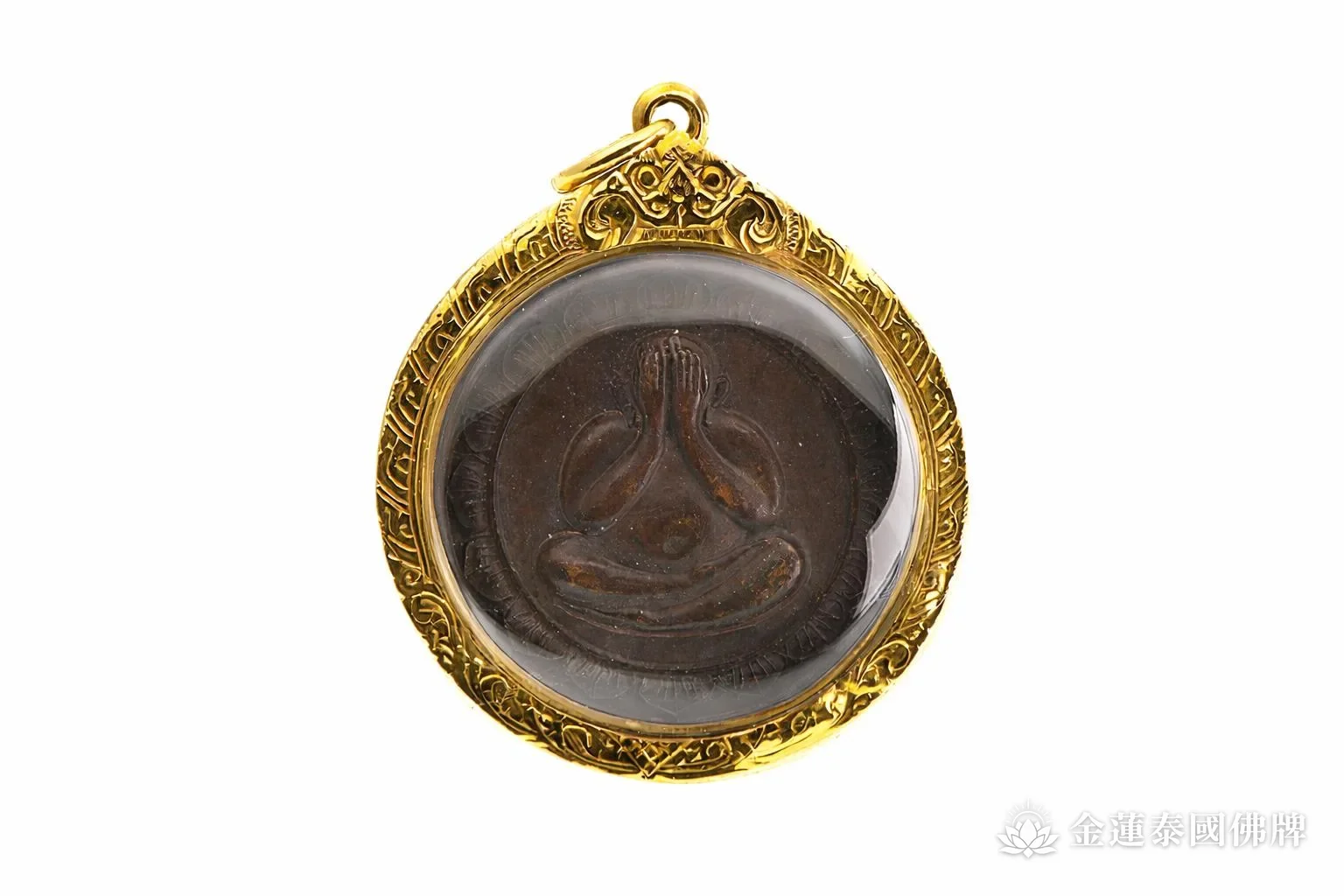 LP Toh BE 2520 "Bangkok Bank" Phra Pidta (Red Copper, 80% Gold Case, With Authentication Card)US$585
The original principal Buddha went to another temple
Once the temple was built, That Bunnag looked far and wide for a fine Buddha image to be its principal Buddha. At the time the abbot of Wat Oi Chang in Nonthaburi had just brought an ancient Buddha called Phra Si Sasada from Phitsanulok in the north, and That Bunnag, hearing of it, brought the image to his new temple.
Word reached King Rama IV. The king considered that Phra Si Sasada had always been a pair with another famous Buddha, Phra Phuttha Chinnasi, and ordered it moved to Wat Bowonniwet. Wat Bowonniwet’s hall wasn’t yet built, so the image was first placed at Wat Suthat; that was in BE 2396 (1853).
His principal Buddha gone, That Bunnag had to find another. He chose a Sukhothai-style Buddha of about the same size, round-faced and golden, the Luang Pho Sukhothai in the ordination hall today. The image’s formal name is Phra Phutthasamphanthamuni; it makes the gesture of subduing Mara and measures 99 inches across the knees.
What is at the temple
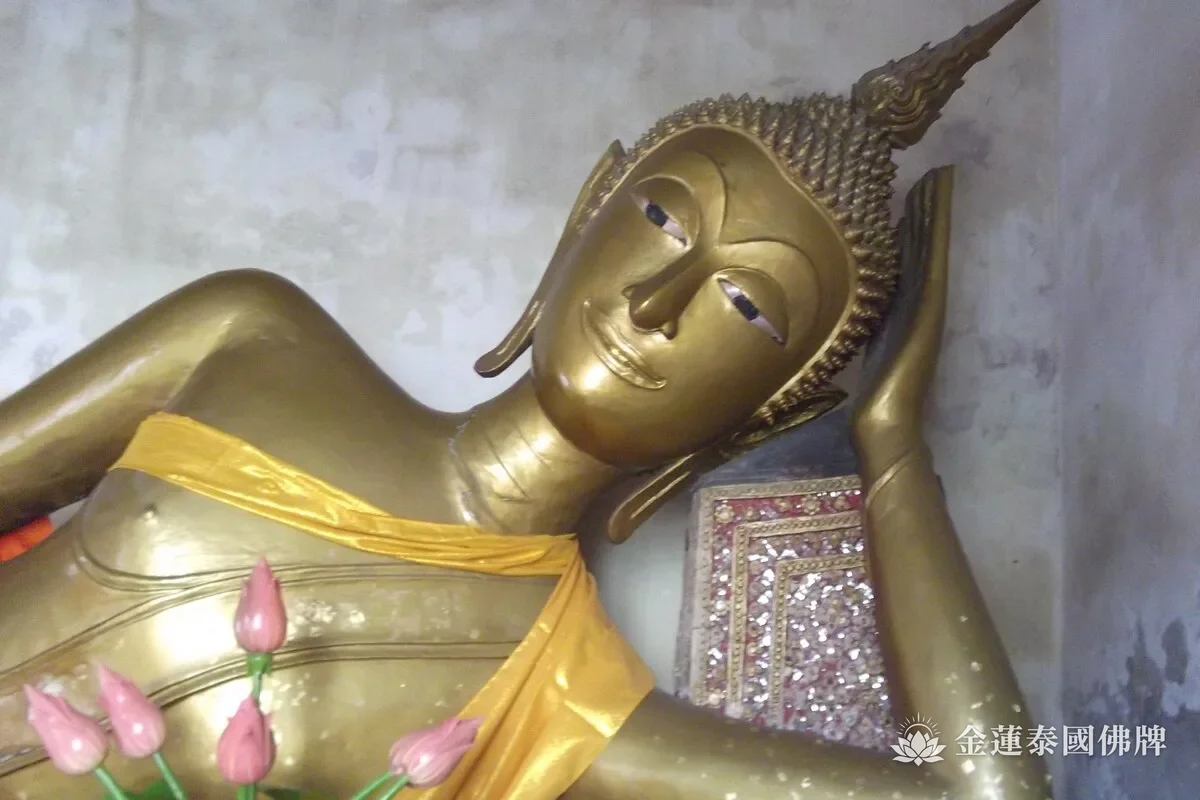
The ordination hall isn’t large, 13 metres wide and 32 long, in the style fashionable under King Rama III, with stucco floral patterns round the doors and windows and gilded, glass-inlaid door and window panels. On each side of the hall is a small Buddha hall, the west one housing a reclining Buddha and the east one a standing Buddha.
There is also a round Mon-style stupa on an octagonal base, with a replica of the Buddha’s footprint inside. To pay respects to LP Toh, look for Sala Ratchasangwaraphimon, a two-storey Thai building that houses his life-size image, named after his title in his later years.
In 1992 Thailand’s Religious Affairs Department chose it as a model developing temple. From 2015 to 2020 the Crown Property Bureau and the temple carried out a major restoration of the ordination hall and the Mon stupa and tidied the Buddhavasa area.
LP Toh and this temple
LP Toh came from Samut Songkhram; his parents died one after the other when he was thirteen, and he was later sent to this temple in Bangkok. He became a novice here at seventeen, took full ordination in 1907, and in his sixth year as a monk, when the abbot left the monkhood, he took over at twenty-six. He then served as abbot for nearly seventy years, passing away in 1981 at 94. His life is covered in more detail on the LP Toh master page.
He began making sacred items in 1925, first powder amulets, later coins and Phra Kring, and is best known for his Phra Pidta. When Thai newspapers introduce the Pidta they often use his Maha Lap Pidta as an example, as covered in masters of the Phra Pidta. We currently have one of his early pieces, LP Toh’s BE 2472–2476 Phra Nang Phaya, a bulging-chest mould of temple clay and scripture powder, nearly a hundred years old.
If you’d like to visit
The temple is in Wat Tha Phra subdistrict of Bangkok Yai, across the river from the Grand Palace and Wat Pho, not far away. It is a temple where locals worship day to day, not a tourist sight, so dress respectfully and keep your voice down; see temple etiquette. The temple has its own website announcing ceremonies and events, worth checking before you go.
FAQ
Are Wat Pradu Chimphli and Wat Pradu Nai Songtham the same temple?
No. Both are nearby, and locals call one “outer” and the other “inner”; LP Toh’s temple is the “outer” one, Wat Pradu Chimphli.
Can I get LP Toh’s sacred items at the temple?
The monk passed away in 1981, and everything issued since counts as memorial issues. Old pieces blessed in his lifetime have to be found on the collectors’ market; for how lifetime and memorial issues differ, see do amulets still work after the monk passes away?
Where is Phra Si Sasada now?
According to Thai Wikipedia, the king ordered it moved to Wat Bowonniwet, temporarily placed at Wat Suthat until the hall was finished.
More amulets from the same monk? See the LP Toh profile (6 amulets) ›