
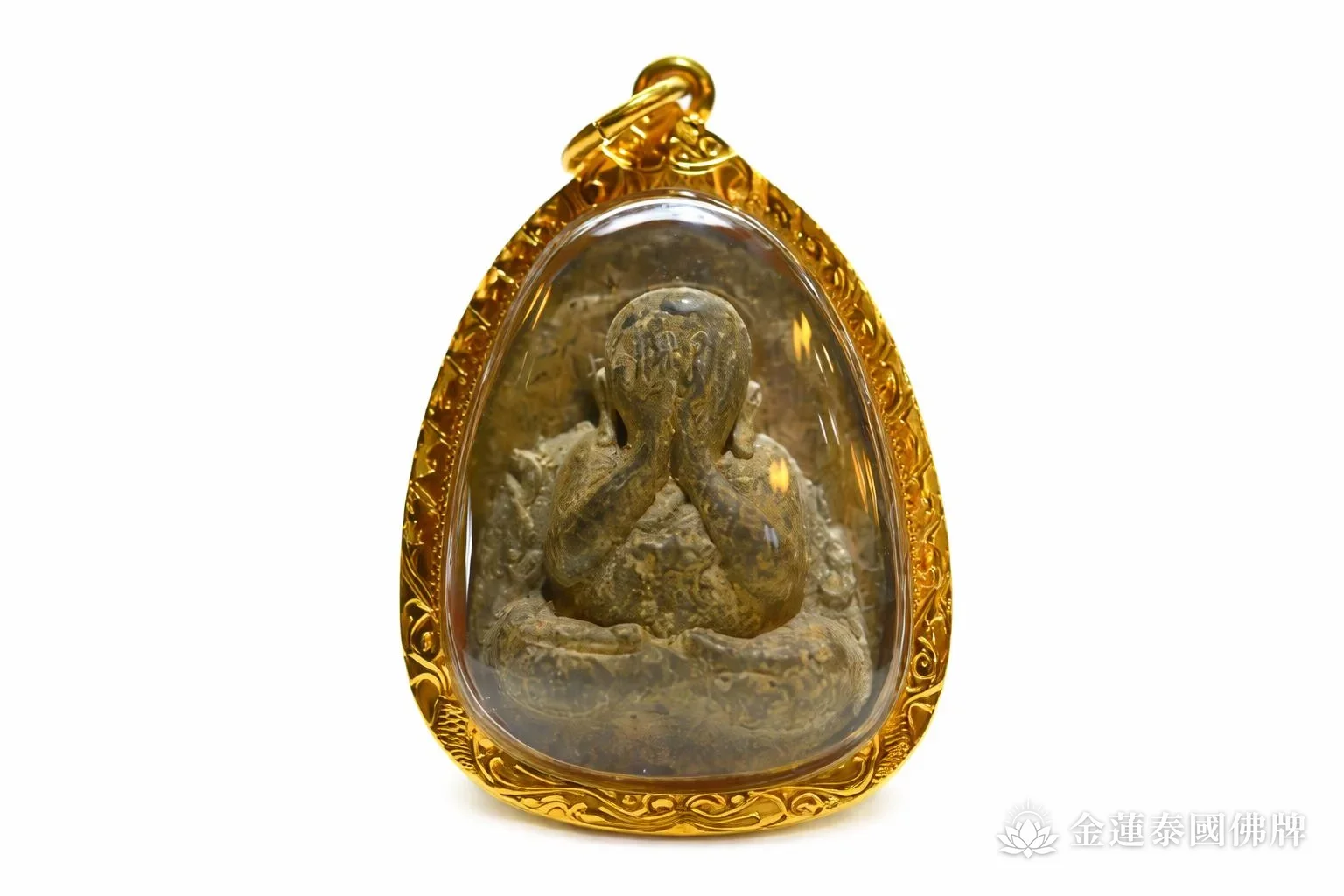
The BE 2522 “flame Pidta” (Phra Pidta Kanok Khang) made by LP Toh (Luang Pu Toh, หลวงปู่โต๊ะ) of Wat Pradu Chimphli, Bangkok: temple clay and scripture powder, about 3.5 cm tall, in an 80% gold waterproof case. It comes in two versions, palm-leaf scripture and pollen, both with authentication cards.
Details
| Monk | LP Toh (Luang Pu Toh) |
|---|---|
| Temple | Wat Pradu Chimphli, Bangkok |
| Name | Flame Pidta (Phra Pidta Kanok Khang, พระปิดตา พิมพ์กนกข้าง) |
| Year | BE 2522 (1979) |
| Versions | Palm-leaf scripture; pollen |
| Material | Temple clay, scripture powder, several kinds of goodwill pollen |
| Size | About 3.5 cm tall |
| Case | 80% gold waterproof case |
| Card | Both versions come with authentication cards (for how to check one, see what an amulet authentication card is) |
| Purposes | Warding off evil, blocking misfortune, keeping trouble-makers away, avoiding legal trouble, safety, wealth |
| Price | Palm-leaf scripture US$877; pollen US$1,910 (both with authentication card) |
More amulets from the same monk? See the LP Toh profile (6 amulets) ›
The two versions
Both come from the same mould: the Pidta sits cross-legged with both hands covering his face, his body round and full, with curling patterns on both sides of the background that look like flames or leaves. In Thai this pattern is called “Kanok”, so the mould is called Kanok Khang (patterns on the sides). The back has a square yant with crossing diagonal lines, its cells filled with chant script.
The palm-leaf scripture version is dark, grey-brown with patches of darker spots and a fine texture, and its back yant is shallower. The pollen version is light, an off-white with a touch of pink, and the lines and script of its back yant are crisp, with a line of Thai above and below. Both are sealed in engraved 80% gold waterproof cases.
The “flame Pidta” name and the five versions
According to the seller, while this batch was being blessed, a candle on the altar suddenly broke one day and fire spread across the altar, but when it reached the Pidta being blessed beside it, it went out for no reason, so the batch is called the “flame Pidta”. The seller also says LP Toh made his Pidta from old scriptures (palm-leaf ash), pollen or incense ash, adding powder from Somdej To amulets, early amulet powder from another temple, Supreme Patriarch amulet powder and scripture powder written by LP Toh together with other monks; some have a takrut hand-written by him set in the base, some were soaked in holy water after moulding, and a blessing usually took three months. This is the seller’s account, which we list as given.
The source lists five versions of this batch: pollen without takrut (1,500 made), palm-leaf scripture with one takrut (6,000), palm-leaf scripture with two takrut (4,000), committee edition pollen with gold and silver takrut (5) and palm-leaf scripture with gold and silver takrut (100). The source does not say which of these each of the two pieces is.
The source shows two Thai authentication cards. The light piece’s card says “พระปิดตาหลวงปู่โต๊ะ วัดประดู่ฉิมพลี พิมพ์กนกข้าง เนื้อผงเกสร” (pollen), BE 2522, Bangkok, and notes “แช่น้ำมนต์” (soaked in holy water); the dark piece’s card is from Standard Amulet and says powder (ผง), Kanok Khang, BE 2522, Bangkok.
For a more recent version, LP Toh’s temple remade this mould in BE 2565; see the BE 2565 flame Pidta remake. For LP Toh’s life, see the LP Toh profile; other Pidta are in the Phra Pidta section. Every item in our shop comes with a lifetime authenticity guarantee.
FAQ
What is the difference between the palm-leaf scripture and pollen versions?
Same mould, same year; the difference is the sacred powder. The palm-leaf scripture version uses the ash of burnt palm-leaf scriptures as its main ingredient and is dark; the pollen version uses several kinds of goodwill pollen and is light. On the source, the pollen version is priced higher.
Is this the same as the BE 2565 flame Pidta?
No. This is the BE 2522 original made by LP Toh in his lifetime; the BE 2565 batch is a remake by the temple in the proportions of the original, in herbal powder, with each piece numbered.
What is the authentication card for?
The card carries a photo and number for this piece, which you can check on the issuer’s website; see what an amulet authentication card is.
More LP Toh amulets in our shop
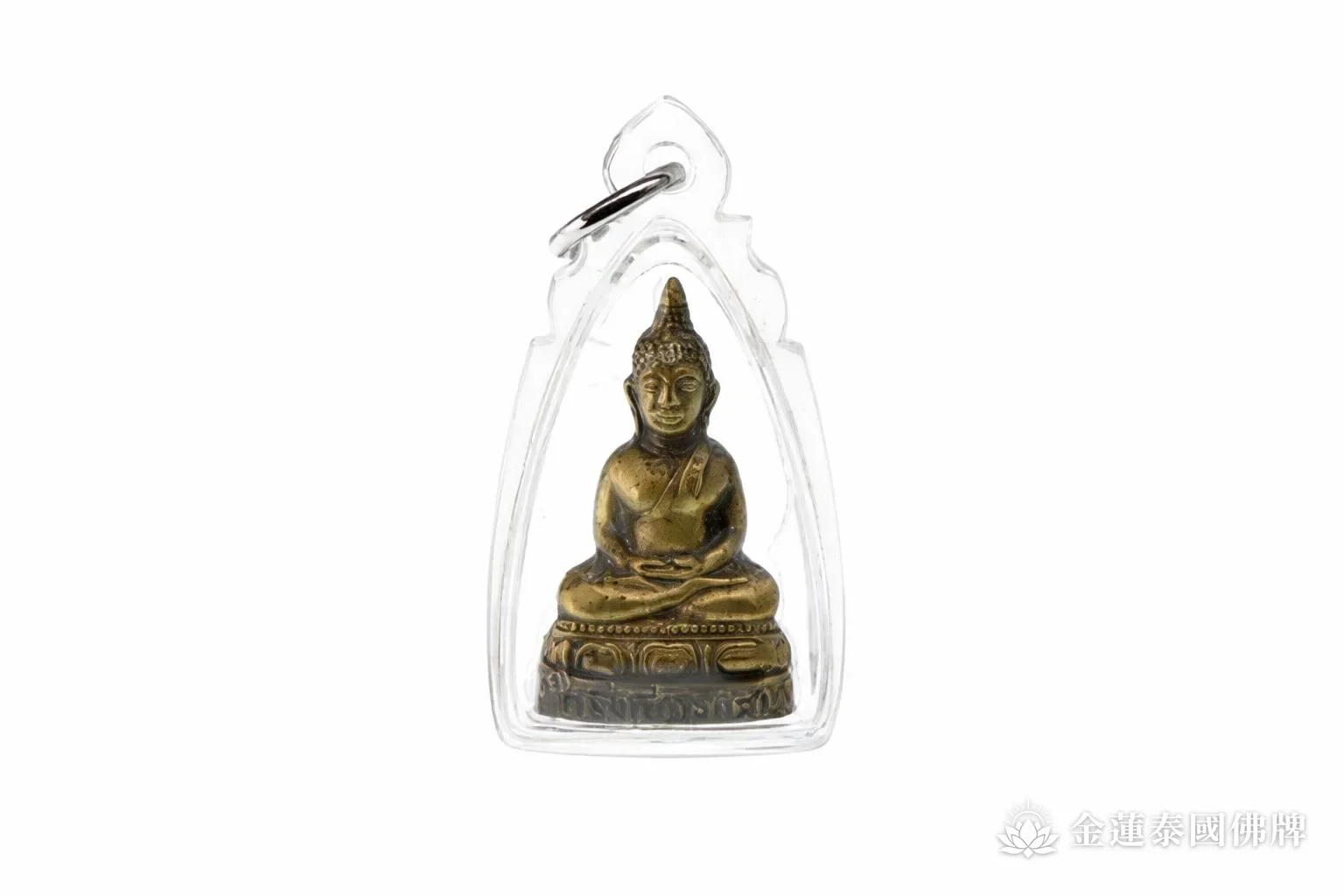 Wat Chino Sot BE 2512 Ceremony Medicine Buddha Chiang Saen (Blessed by LP Toh, LP Phrom and Others, Bronze, Waterproof Case, With Authentication Card)US$204
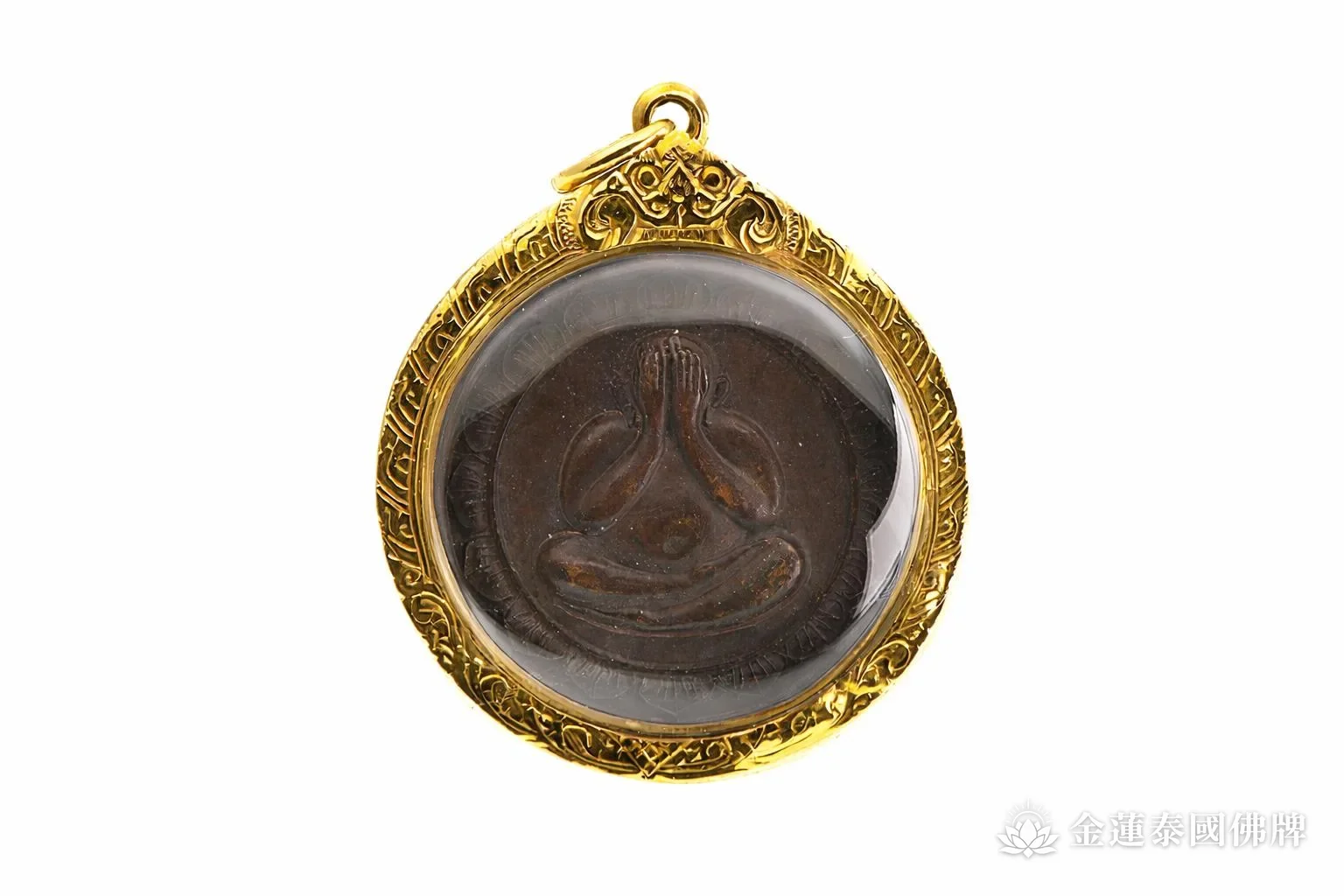 LP Toh BE 2520 "Bangkok Bank" Phra Pidta (Red Copper, 80% Gold Case, With Authentication Card)US$585
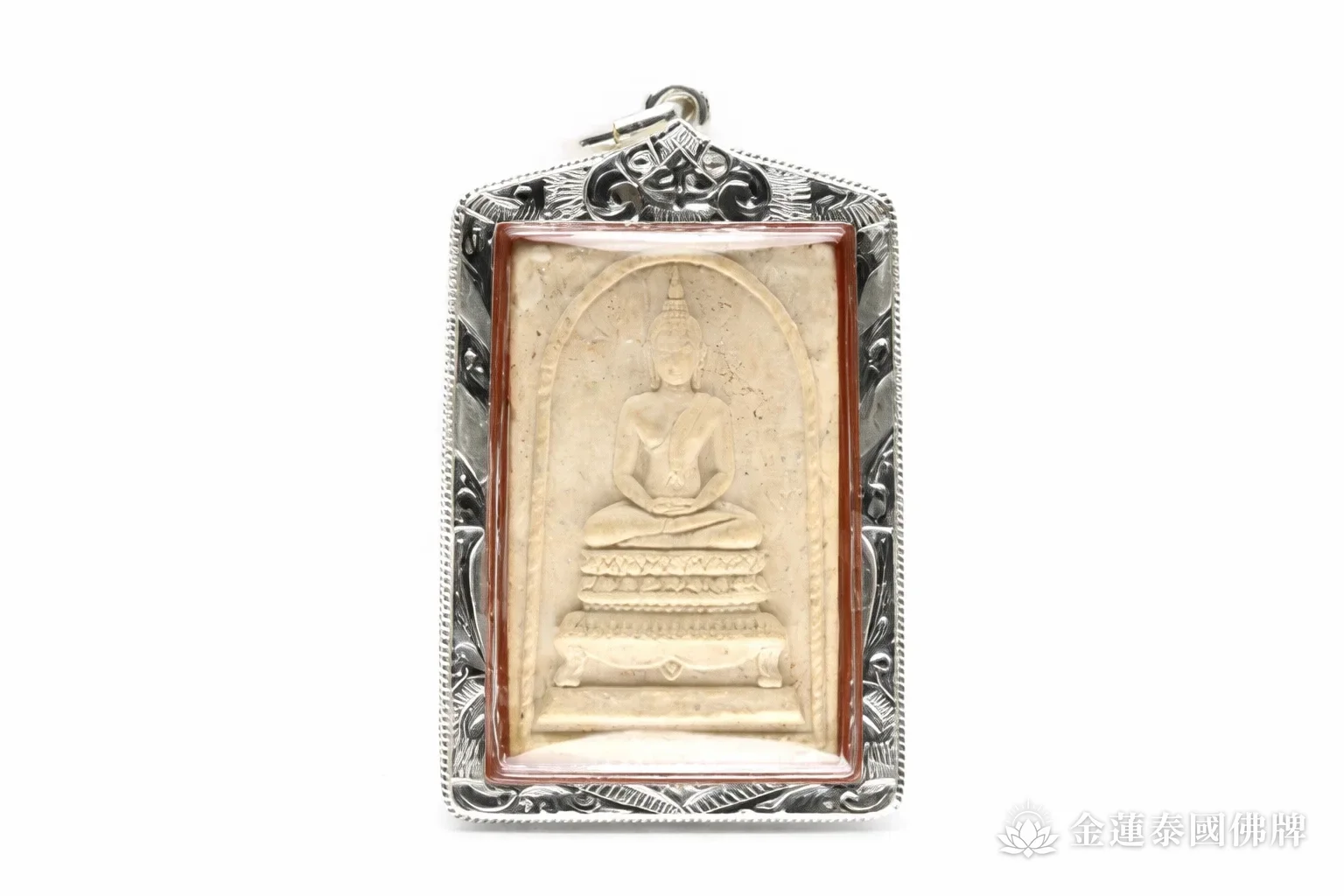 Luang Pu Toh BE 2516 Somdej "Lhang Tra Chang" with Elephant Seal Back (Temple Soil and Sacred Powder, Sterling Silver Case, With Authentication Card)US$475