Thais don’t only wear Buddha and monk amulets; there are many animal items too: the tiger king, the Garuda, the Kotchasi, the wealth turtle, the lucky pig, the owl, each with its own meaning. People new to them often ask: “How do these animals differ? Which should I choose?” So we have sorted them by “what you want”, and here is what each animal stands for in Thai eyes.
First: animal items are blessed by monks too
Like amulets, animal items are made by temples or monks and chanted over to bless them, and they are mainstream amulets. The only difference is the image. An amulet shows a Buddha or monk, while an animal item expresses a blessing through the qualities of an animal. So when choosing, look not just at the animal but at which monk and which batch, just as with amulets. For how mainstream and spirit amulets are told apart, see mainstream vs spirit amulets.
Sacred Animal Amulets in our shop
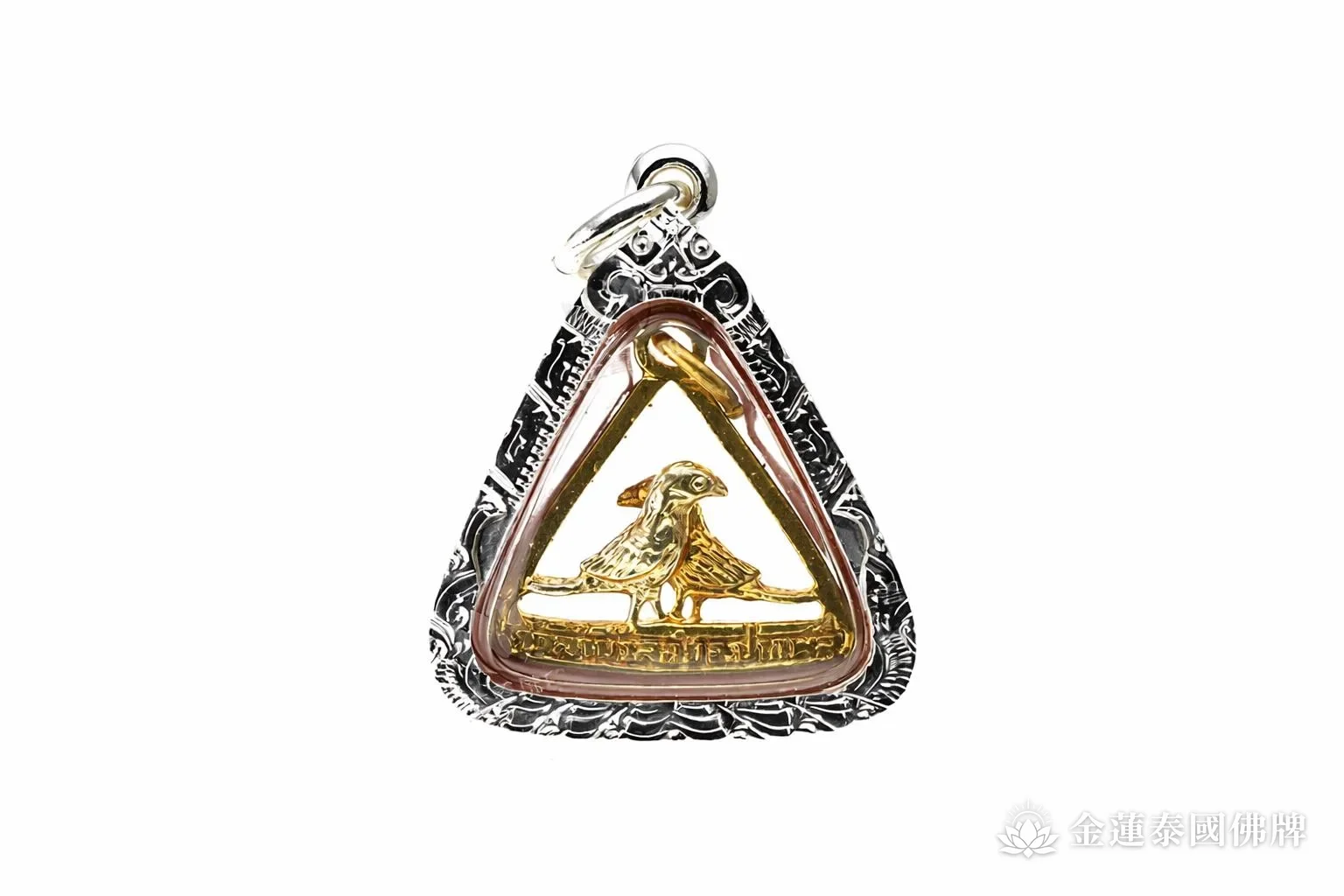 LP Sanit BE 2533 Second-batch Love Birds Nok Salika, a Pair (Metal, Sterling Silver Case, With Authentication Card)US$217
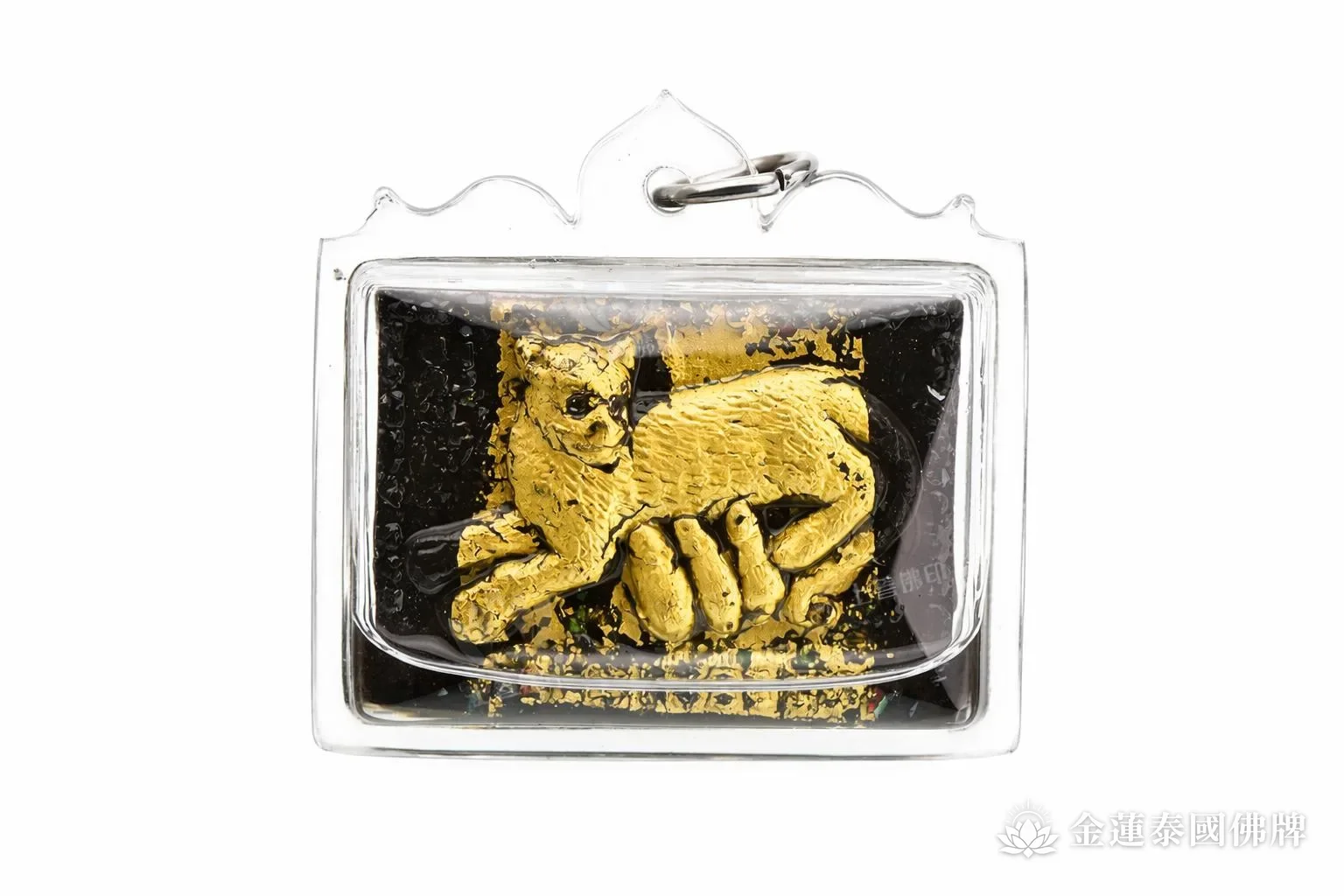 LP Tha (Roi Et) BE 2557 Third-batch Mouse Suckling a Cat (Sacred Powder with Gold Leaf, Eight Takrut in Back, Waterproof Case)US$75
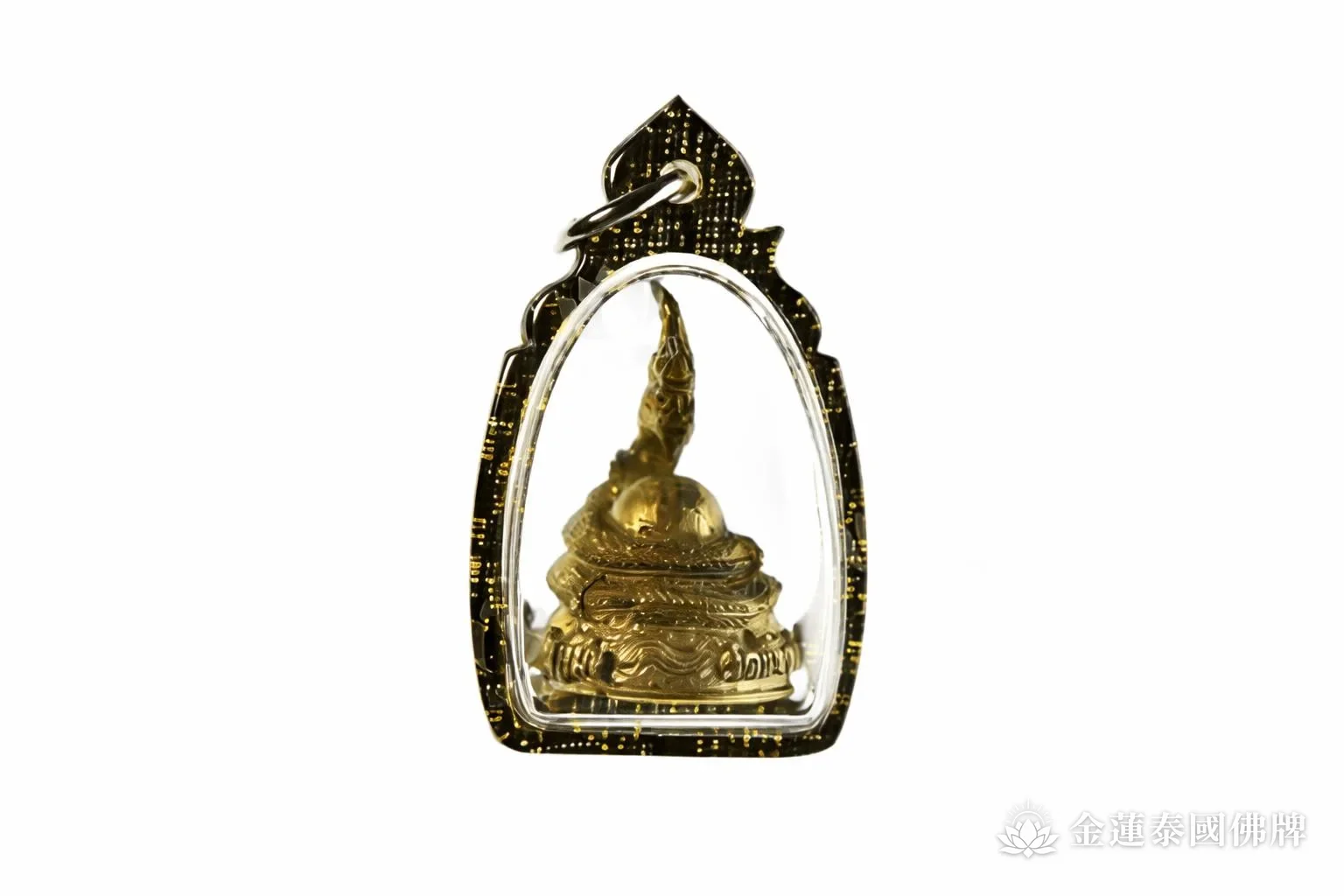 LP Man BE 2558 Ceremony Naga Phaya Nak (Bronze, Limited to 5,000, Waterproof Case)US$55
For authority and standing: the tiger king, the Garuda, the Kotchasi
The tiger king (Suea)
Thais call the tiger the king of the forest, its roar feared by all creatures. So the tiger king stands for authority and courage. Managers, team leaders and people in the disciplined services choose it most, and some wear it for nerve or to keep away anything unclean. Thailand’s most famous tiger practice comes from LP Parn of Wat Bang Hia in Samut Prakan. The Thai amulet news site Kampee News explains that this practice of carving tiger fangs passed from LP Parn to LP Nok of Wat Sangkasi, and on from generation to generation after that.
Our Luang Ta Kae deer-antler tiger king is hand-carved in this line, while LP Pian’s BE 2553 tiger king is cast in copper.
The Garuda (Phaya Khrut)
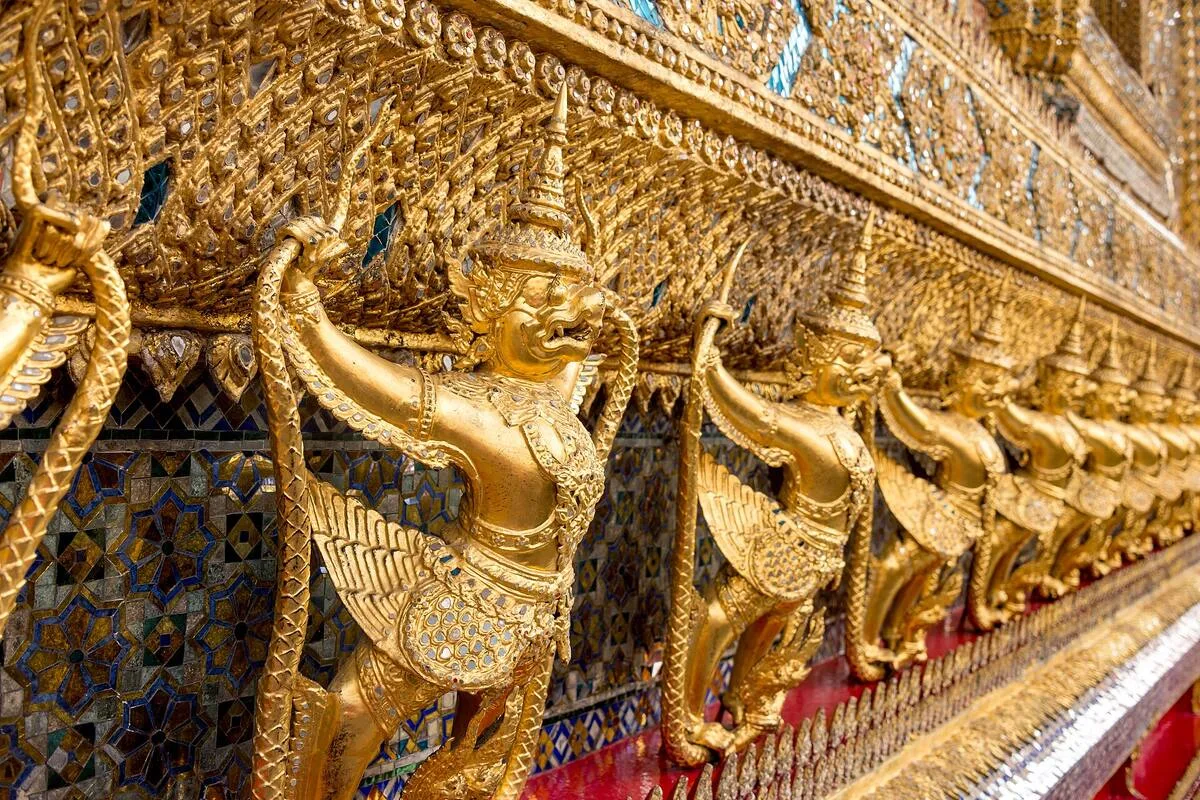
The Garuda holds a special place in Thailand, because the Thai national emblem is a Garuda. Thai Wikipedia says the emblem “พระครุฑพ่าห์” is the mount of the god Narai and stands for royal power; it came into use under King Rama V and fully replaced the old emblem in 1910. The photo above shows the outer wall of the main hall at Wat Phra Kaew in Bangkok, a whole row of Garudas holding up the eaves.
With that connection, Thais mostly wear the Garuda for standing, promotion and guarding against backstabbers, and civil servants and business people both like it. LP Wara of Wat Pho Thong in Bangkok is famous for his Garudas. The Thai site Sanook says he saw the Garuda in meditation and has made Garudas for devotees ever since. We have his BE 2538 Garuda “Maha Barami”.
The Kotchasi
The Kotchasi is a creature of the Himmapan forest of Thai legend, with a lion’s body and an elephant’s trunk. Thai Wikipedia says Himmapan creatures are common in temple sculpture, each standing for a virtue or power, and the Kotchasi stands for strength. Thais wear it for authority and reputation, for example LP Kalong’s BE 2549 roaring Kotchasi.
For drawing and keeping wealth: the lucky pig, the wealth turtle, the lucky cat
The lucky pig (Moo)
When Thais say something is easy, they say “หมู ๆ” (Moo Moo, “piggy piggy”). So the pig stands for ease and plenty to eat and wear. Lucky pigs are mostly made plump and standing on gold ingots, for wealth and keeping it, for example LP Wan’s BE 2561 lucky pig “Chana Jon”.
The wealth turtle (Tao)
In Thailand the turtle stands for long life and steadiness. It walks slowly but goes far, so the wealth turtle is for wealth you “keep hold of”. The most famous are those of LP Liew of Wat Rai Taeng Thong in Nakhon Pathom. His temple has a huge turtle statue, and visitors like to pass under its belly for health and long life. We have his BE 2536 wealth turtle “Ruay Ruay Ruay”.
Lucky cats and others
Thailand also has plenty of small items like lucky cats and lucky fish, and their meaning is very direct: draw customers, draw wealth. We have LP Kambu’s BE 2554 90th birthday lucky cat.
For timing and blocking misfortune: the owl, the sacred bull, Si Hu Ha Ta
The owl sees clearly even at night, and Thais use it as a figure for seizing the right moment, for windfalls and investment; the owls of LP Chu of Nakhon Sawan are the best known. The sacred bull and its kind guard the home and block bad influences, for example LP Kalong’s BE 2551 bow-and-arrow bull. As for Northern Thailand’s Si Hu Ha Ta, it is a kind of sacred beast, for windfalls and business; have a look in the Si Hu Ha Ta section.
What to look at when choosing
First decide what you want most. For authority, look at the tiger king, Garuda and Kotchasi; for wealth, the lucky pig and wealth turtle; for timing in business, the owl. Once you know the direction, look at three more things.
The first is the monk. Tigers come hand-carved or cast in copper, and which monk and lineage they come from makes a big difference to their value. The second is the material: horn, wood, copper and powder are all used, and natural materials make every piece different. The third is the batch. Batches blessed in a monk’s lifetime are generally more valued by collectors; more in amulets after the monk passes away.
All our animal items are in the sacred animals section, where you can browse by monk and material.
FAQ
Can animal items be worn with amulets?
Yes. Usually the Buddha goes in the middle with monk amulets and animal items at the sides; see how many amulets to wear at once.
Should people born in the Year of the Tiger or Pig wear that animal?
No need. Thais choose animal items by what they stand for, not by the zodiac. Giving a lucky pig to a family member born in the Year of the Pig is fine, of course; it just isn’t a rule.
Can items made of animal horn or teeth be shipped?
Rules on ivory and animal horn differ by place. A few of our items contain ivory, and their titles and product pages say so plainly; the materials of other horn and tooth items are stated on each product page too. Please check the rules where you live before ordering, and ask us first if in doubt.